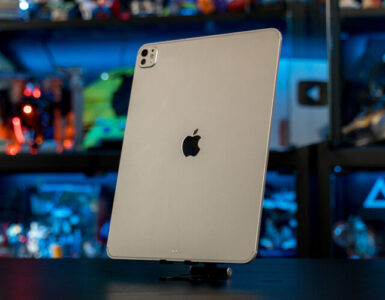
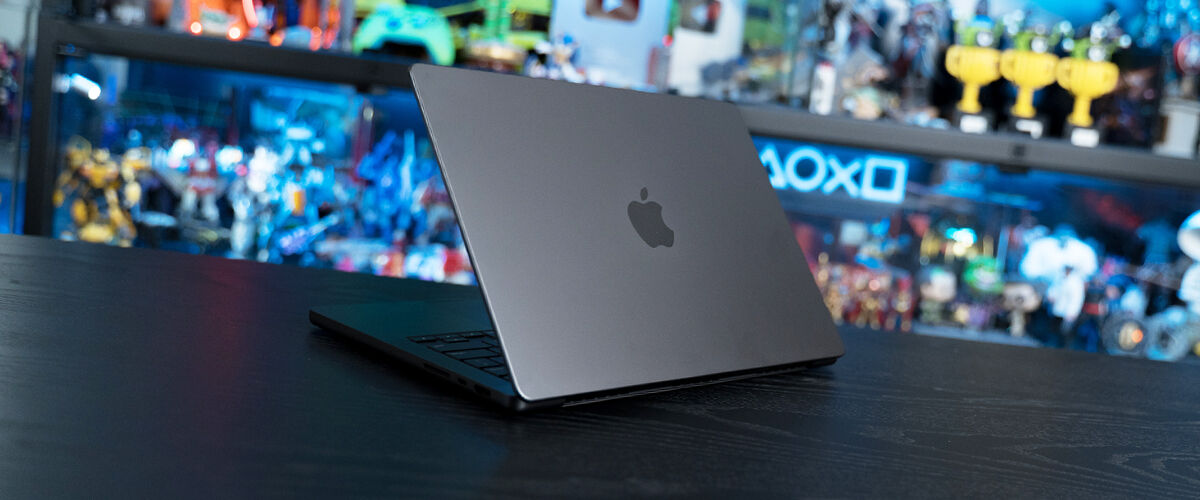
Five years in, and Apple’s silicon endeavour continues to astound with continued improvements that leave its competitors in the dust. When the American tech giant first debuted its M1 chip in 2020, it fundamentally rewrote the rules of what a laptop could be, and suddenly, its MacBooks and iMacs – long catering to a niche audience more concerned with design work and performance – weren’t just elegant machines, but also performance powerhouses that could easily outlast and outperform its PC competition.
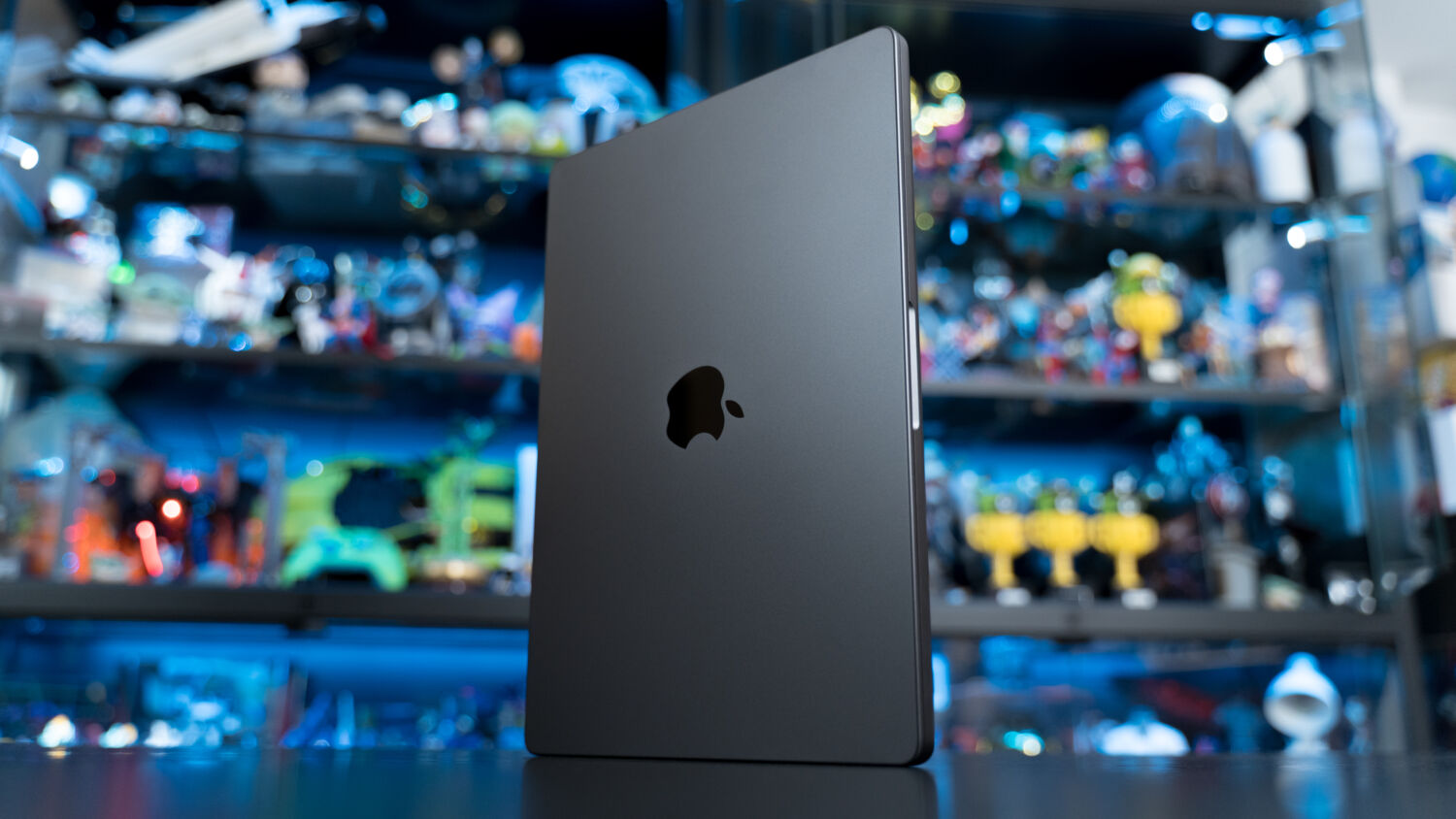
In its fifth iteration, the latest M5 chip now powers the MacBook Pro 14, and for the first time, it didn’t release the chip on a series of Mac machines, as the 14-inch base is the only way laptop consumers can reap the benefits of the latest chip, even as Apple establishes a new baseline for what users should expect from a professional, everyday laptop.
Like with the tech industry’s proclivity for introducing annual hardware improvements, the question isn’t whether the M5 is faster than last year’s M4 – Apple made sure it is. The real consideration is whether this generation of processor represents the inflexion point where upgrading makes sense, especially if you’re still holding onto an M1 or M2 Mac. When Apple redesigned its silicon chip, it did something that few companies do – by making the chip so good that even the M1 chip continues to perform admirably under current conditions, and even if it has been faithfully serving you for the past few years, this is the moment to change.
On-paper specifications only tell part of the story, but when Apple claims the M5 delivers up to 3.5 times faster AI performance compared to the M4, you take notice. In Geekbench 6 testing, the M5 chip achieved a staggering single-core score of 4,231, the highest ever recorded for a Mac, and among the highest when compared to a PC processor. It also recorded a multi-core score of 17,782, marking a solid 20 per cent improvement over its predecessor.
But let’s move beyond benchmarks, because nobody edits high-quality videos or compiles code in Geekbench. Using Handbrake, we converted a 10-minute 4K, 60fps video in RAW format to 4K HVEC, and the M5 MacBook Pro 14 completed the render in 6 minutes and 57 seconds. Comparatively, it took 7 minutes and 30 Seconds on the M2 Ultra, and 6 minutes and 29 seconds on the M4 Max.
To serve as a background, Apple has historically released the base chip, and then a more powerful Pro version, followed by a Max version that is more powerful than the Pro, and finally, an Ultra version that comprises two Max chips into one. By pitching and (almost) matching the performance of the M5 to the M4 Max (there was never an M4 Ultra), Apple has shown a performance leap that translates to real-world time savings.
The same task on an M1 machine would likely take considerably longer, and let’s not waste time on an Intel-based Windows laptop – technology is meant to help, not make excuses. The M5 features a 10-core CPU with four performance cores and six efficiency cores, paired with a next-generation 10-core GPU that includes a Neural Accelerator in each core. For anyone still using an M1 or M2 MacBook Pro or iMac, the M5 represents a compelling upgrade opportunity. Yes, those older machines remain capable, but the M5 delivers up to six times faster AI performance compared to the M1, along with substantial gains in CPU and GPU capabilities.
The current M2 MacBook Pro we’re using already handles professional workflows with the kind of casual ease. If you’re on the upgrade track, the company is making it easy by releasing only one 14-inch model, which means that if you want something slimmer like the MacBook Air, or something bigger like the 16-inch, or even an iMac, then this isn’t for you. Otherwise, the choice is easy to make, since this machine is also purpose-built for AI, or rather, Apple Intelligence.
These days, artificial intelligence or AI is the buzzword on every brand’s lips, with tech companies racing to integrate AI features into their products. Apple’s approach with Apple Intelligence differs from the competition in one crucial way, however – it works on-device, meaning your data stays on your machine, and you don’t need an internet connection to tap into its capabilities.
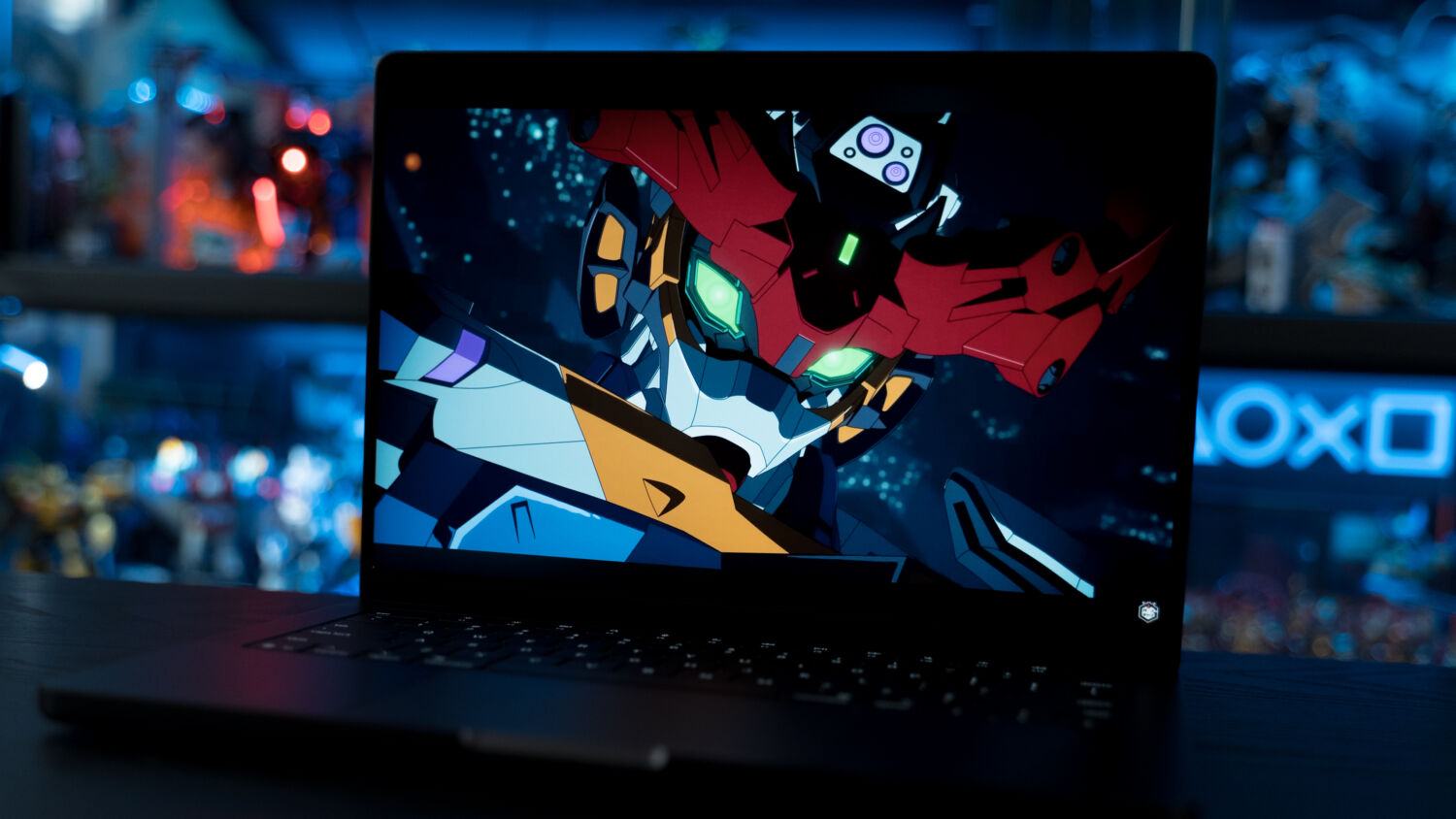
Granted, not having the support of the cloud to process the information means there are some functions, like real-time searches and having access to updated information, that Apple systems cannot perform, but the M5’s enhanced Neural Engine, combined with Neural Accelerators in each GPU core, means tasks like text-to-image generation in Image Playground are dramatically faster. Whether you’re a student transcribing lecture notes with AI, a content creator storyboarding concepts, or running local AI models for your business, the M5 MacBook Pro 14 handles these workflows without requiring cloud connectivity or raising privacy concerns.
And since the Writing Tools feature is built into the hardware, it means you can generate email content or have AI clean up your drafts and proposals, without opening another app that can do the work. It’s the kind of productivity enhancement that you don’t realise you need, until you try it and wonder how you ever managed without it.
It’s the same with the storage situation, with Apple claiming the new SSD is now twice as fast compared to the previous generation. For those working with large files – whether importing RAW photos or exporting 4K video – this speed boost translates into greater efficiency. And while the base model still starts with 512GB of storage, you can now configure it up to 4TB if your needs demand it, compared to the maximum of 2TB on the previous M4 model. Of course, that’s a price change from S$2,199 to S$3,999, but for those who need the capacity, you now have the performance to match it. With the base configuration of a 10-core CPU, 10-core GPU, 16GB of unified memory and 512GB of storage, the M5 MacBook Pro 14 sits in that sweet spot between the more affordable MacBook Air and the higher-end M4 Pro and M4 Max models, offering users professional-grade performance in a compact, portable package.
That unified memory bandwidth has also seen a significant jump, from 120GB/s on the M4 to 153GB/s on the M5 – a nearly 30 per cent increase that keeps the CPU, GPU, and Neural Engine churning with data, preventing pauses when running demanding creative applications or AI models.
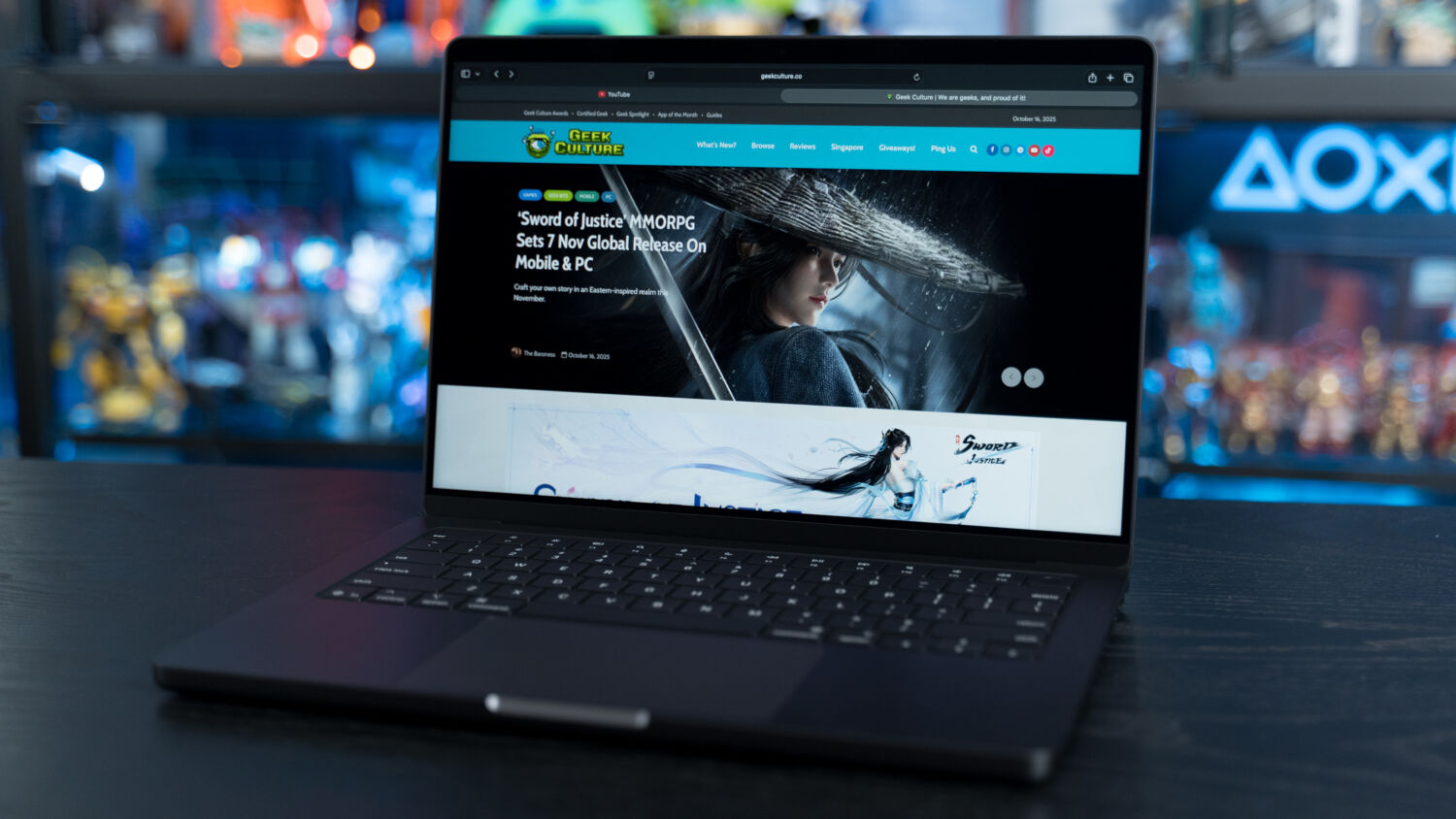
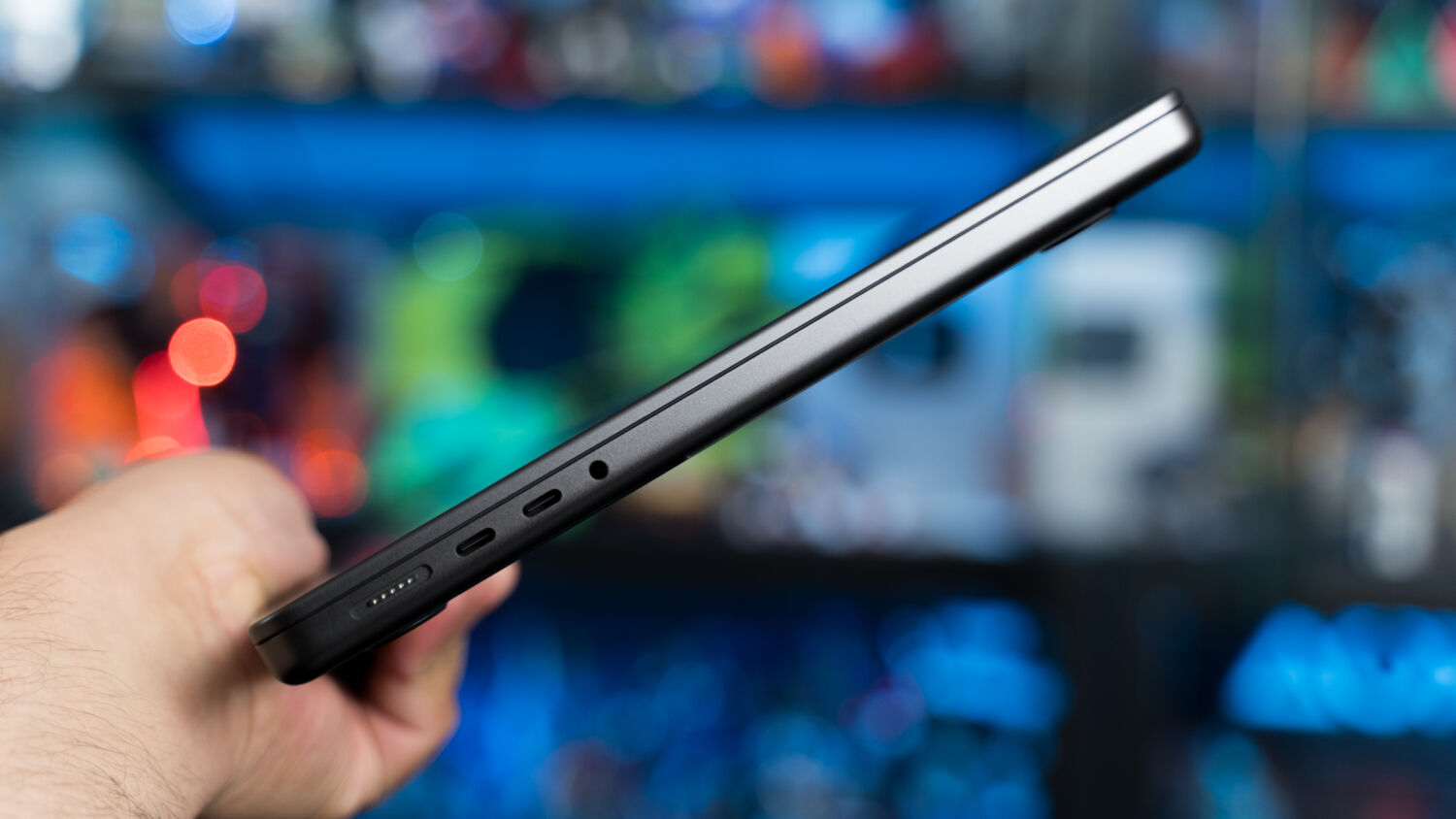
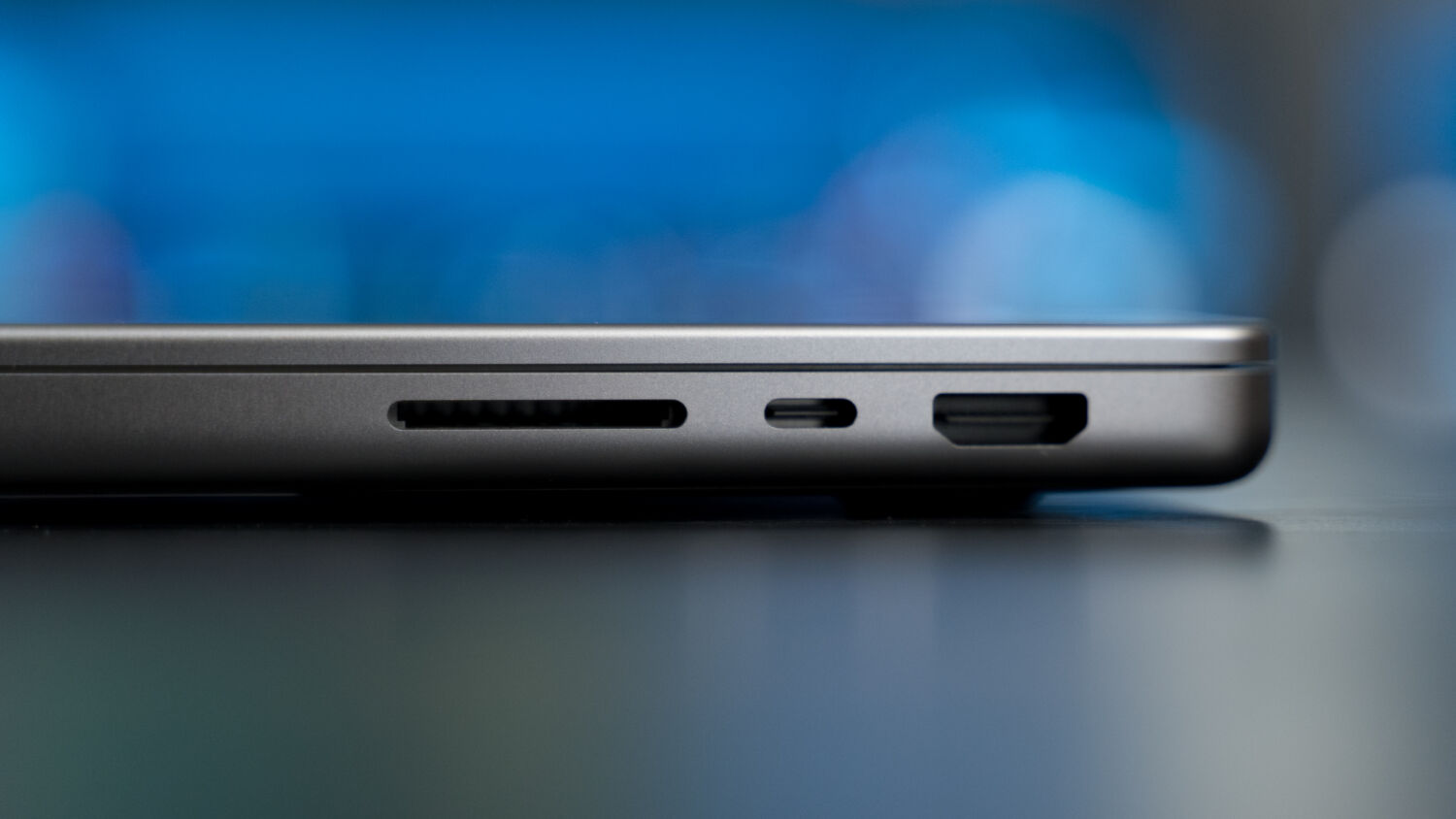
But that’s also about the extent of any changes, as Apple continues in its desire to make everything look and feel consistent. The M5 MacBook Pro 14 maintains the same aluminium unibody design that has defined the line-up since 2021, and honestly, there’s no reason to change a look so iconic and instantly recognisable. Measuring 31.26cm by 22.12cm by 1.55cm, and weighing a mere 1.55kg, it remains one of the most portable professional laptops available. Its 14.2-inch Liquid Retina XDR display continues to impress with a 3,024 x 1,964 resolution at 254 pixels per inch, offering stunning clarity for everything from photo editing to content consumption. With 1,000 nits of sustained brightness for regular content, and up to 1,600 nits peak for HDR, the screen handles any lighting condition with ease. Yes, there’s still that notch at the top of the display housing the camera, but you will stop noticing it after the first few hours of use.
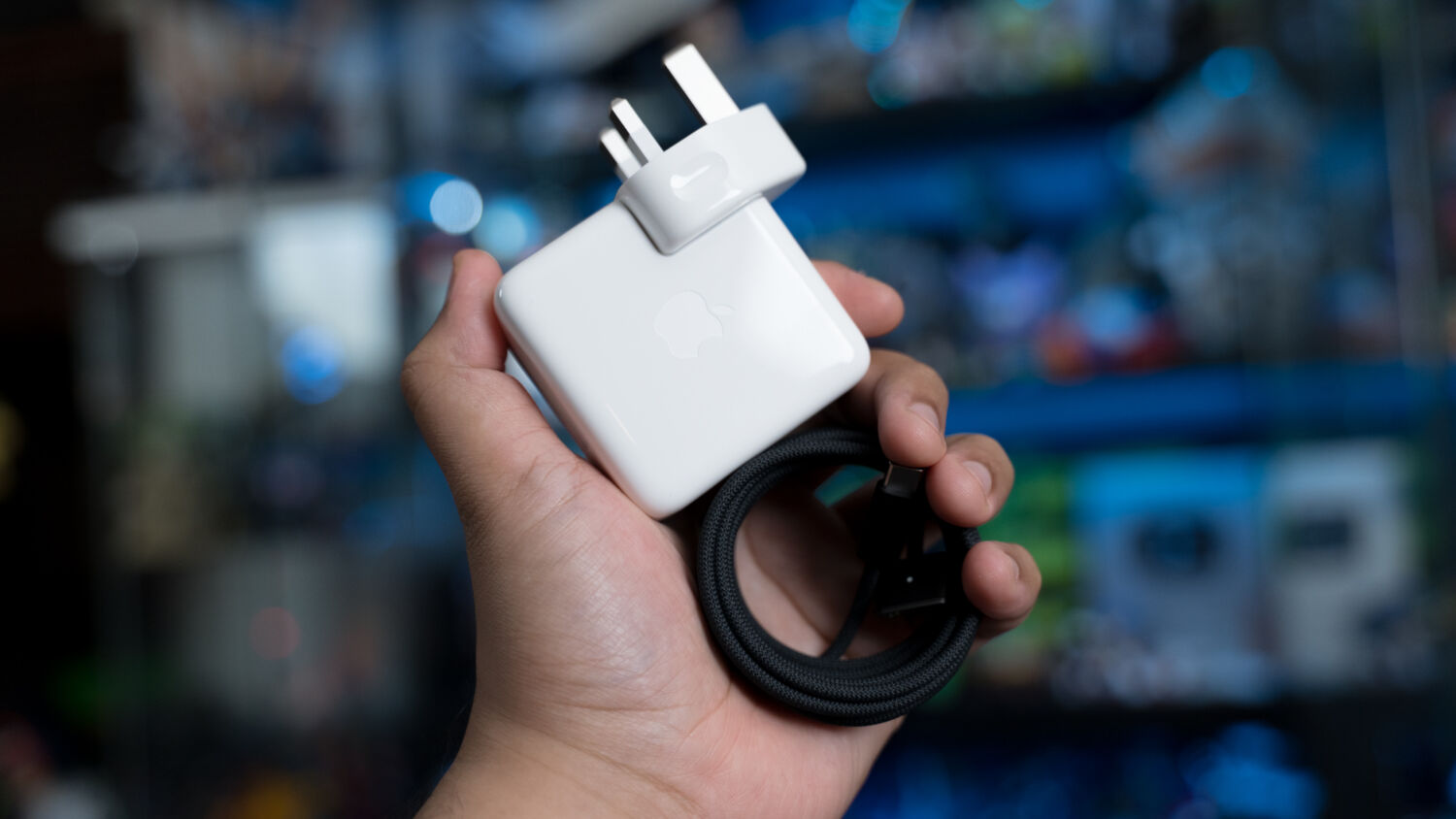
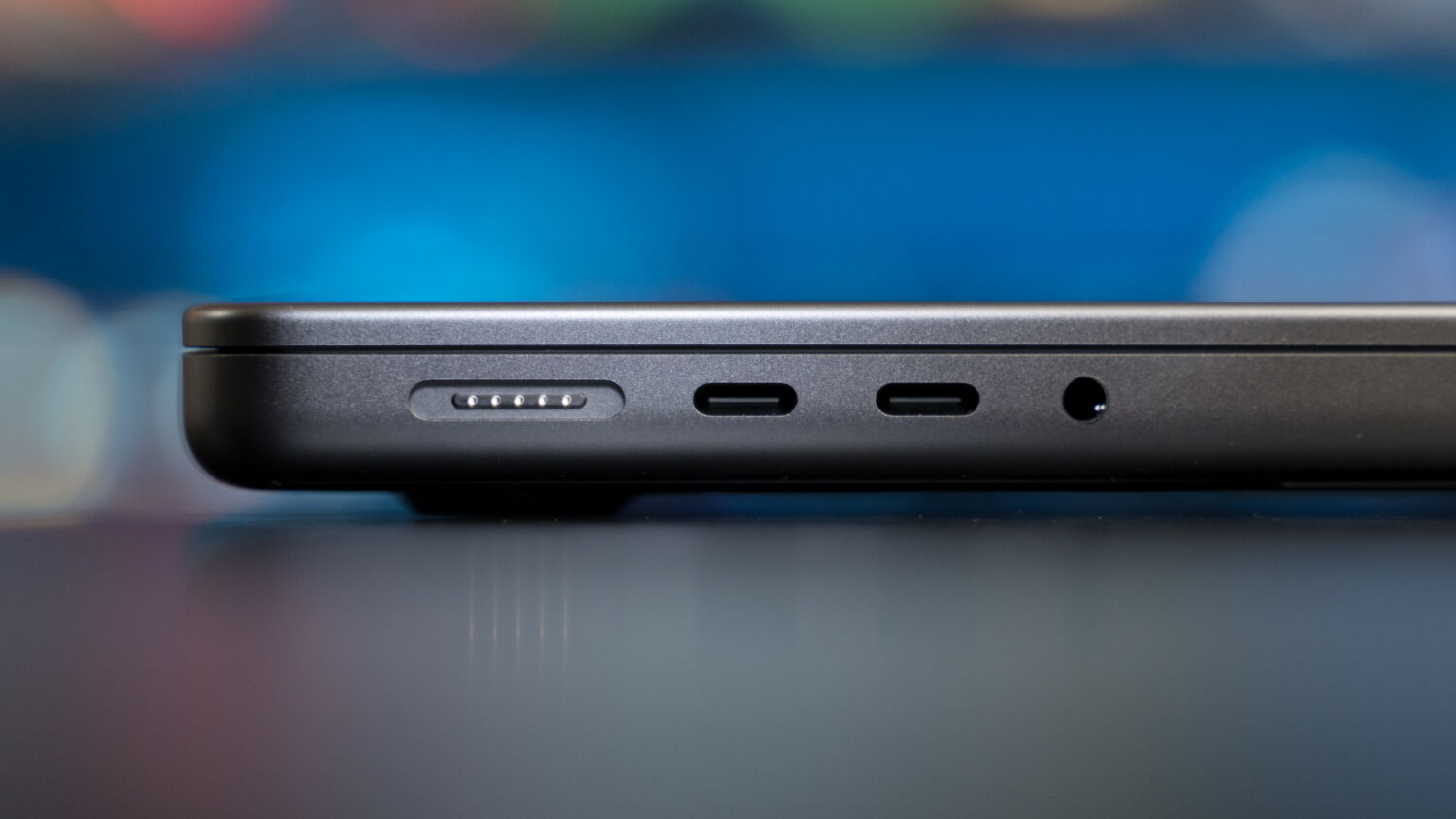
As for the Mac’s much lauded battery life, Apple continues to set the gold standard, and while the company claims up to 24 hours of use on a single charge, that also depends on your workload and settings, such as connectivity and display brightness. But suffice to say, it’s still one of the few machines that continues to push on, and one you can safely bring out of the home and office for use for a few hours, even when it’s on half charge. Even more impressive is how quickly the machine charges when you plug it in, whether it’s from the MagSafe charging or using a regular USB-C cable.
Herein lies the important question: Should you invest in this if you’re on an M3 or M4 machine? Given that Apple hasn’t laid down all its cards with the anticipated M5 Max or M5 Pro models, you’re probably fine holding out for them, unless you specifically need the AI performance boost or have workflows that would benefit from the faster storage and increased memory bandwidth. Apple’s silicon chips have proven remarkably long-lived, and there’s no shame in waiting another few months, or even another generation.
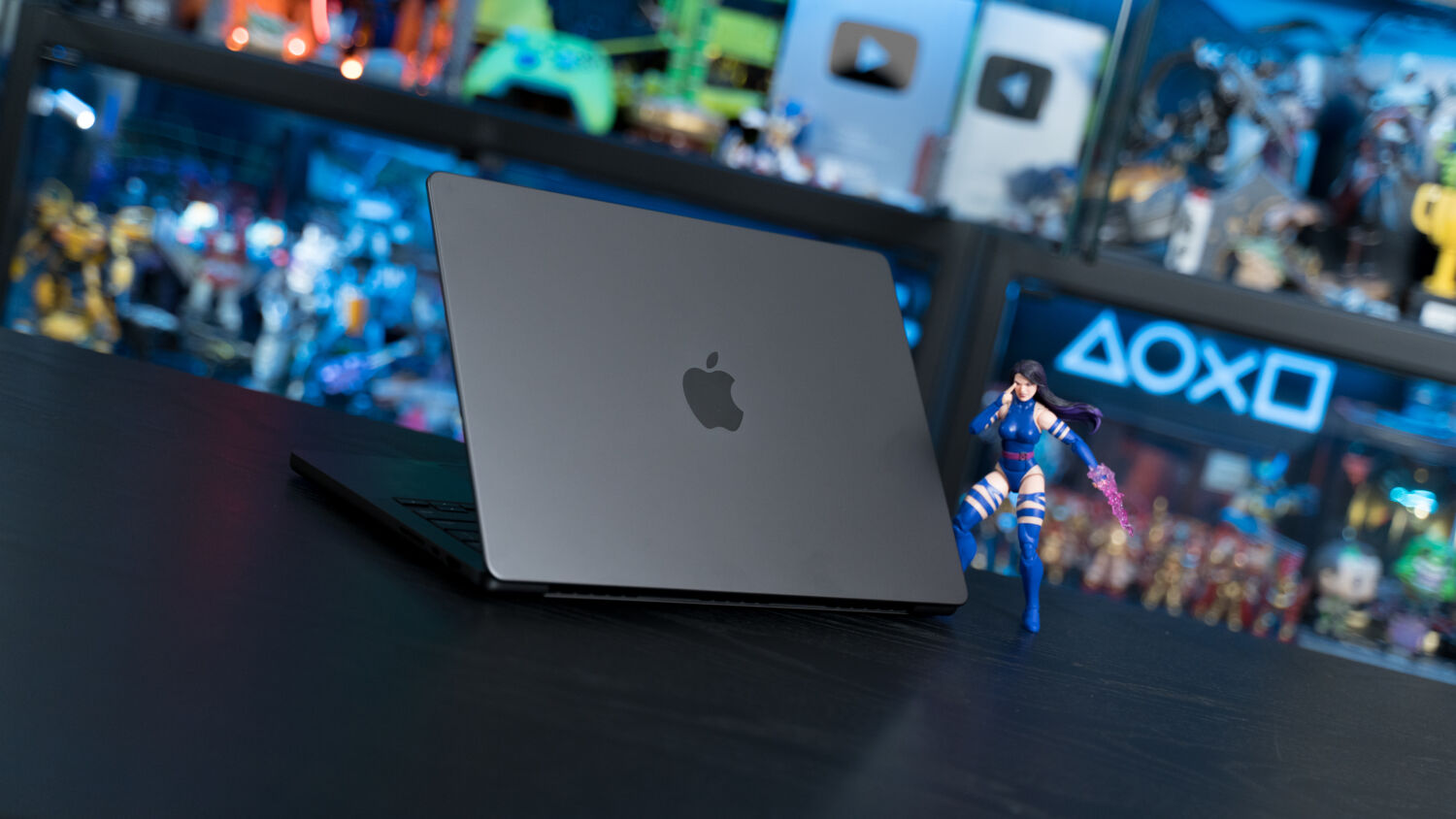
But whether you consider the new MacBook Pro 14 to be revolutionary or evolutionary, there’s no denying that the company has refined its marketing and launch formula to the point where these machines simply work, while delivering consistent and more powerful performance wrapped in an elegant package. Students and professionals looking for something more capable than a MacBook Air but don’t want the heft of the 16-inch model now have a perfect machine that offers desktop-class performance in a premium, portable form factor that resets the benchmark by which all other laptops should be measured.
GEEK REVIEW SCORE
Summary
The MacBook Pro 14 M5 delivers meaningful performance improvements across CPU, GPU, and AI capabilities, making it the ideal upgrade for M1 and M2 users, while maintaining the exceptional battery life and build quality that continues to define Apple’s professional laptop line.
Overall
9.2/10
-
Aesthetics - 9/10
9/10
-
Build Quality - 9/10
9/10
-
Performance - 9.5/10
9.5/10
-
Value - 8.5/10
8.5/10
-
Geek Satisfaction - 10/10
10/10

Hsals needs more space in his house, and more money in his bank account to pay for all the toys, collectibles and other geek related items that companies are churning out. Free-time? Girlfriend? Who’s got time for those?


 Kevin Low