

Not all gaming laptops are built the same – while some pack power into a hefty form factor, others emphasise creative work functionality. And while consumers are no strangers to evolving or prioritisation needs, it’s always nice to have options and pick out the one that best suits the scenario at hand, courtesy of Republic of Gamers’ (ROG) flagship line of gaming laptops, powered by the NVIDIA GeForce RTX 50 Series GPU.
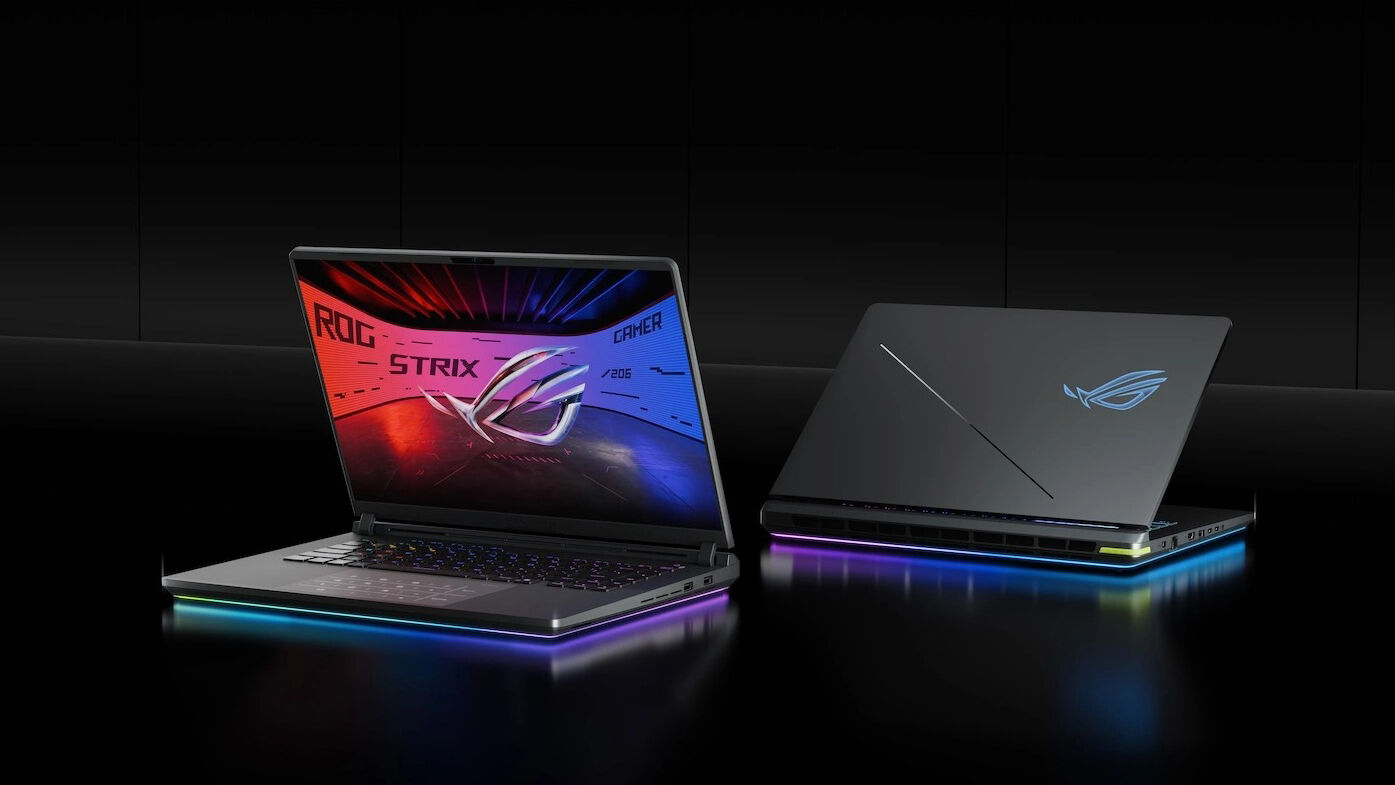
Instead of settling for less, gamers can aim for the best at work and play, with the extra brawn here useful for handling heavy and GPU-intensive loads, while delivering an improved all-around experience , starting with cutting-edge hardware that gets things up and running under the hood.
A staple across NVIDIA’s highest-end devices, the latest generation of Blackwell GPU architecture is engineered for performance, with fifth-gen Tensor Cores and fourth-gen Ray Tracing Cores offering threefold and twice the performance of the previous generation, respectively, as well as new streaming multiprocessors optimised for RTX Neural Shaders, used to create cinematic-quality textures and more advanced lighting effects in titles.
To sharpen the competitive edge, NVIDIA DLSS 4 works to increase efficiency, reduce latency, and refine image quality alongside Multi Frame Generation, multiplying frames by up to eight times more than traditional rendering and the icing on the cake is that the technology is available in over 175 DLSS 4 games and apps, extending to AAA titles like Cyberpunk 2077, Alan Wake 2, Diablo IV, and more.

At the heart of DLSS are new AI-based transformer models for DLSS Frame Generation, DLSS Ray Reconstruction, DLSS Super Resolution, and Deep Learning Anti-Aliasing (DLAA). The latter three bring upgraded stability, sharper clarity in motion, and higher lighting detail compared to the GeForce RTX 20 and 30 Series, with DLSS Frame Generation delivering enhanced performance and reduced memory usage starting from the GeForce RTX 40 Series. Meanwhile, full ray tracing and NVIDIA Reflex 2 are the dynamic duo behind realistic, immersive visuals, as well as lightning-fast response for improved target acquisition, reaction time, and aim precision, rounding out the NVIDIA experience.
These combined prowess are further supported by new AI-powered Max-Q technologies designed for Blackwell, enhancing performance across GPU, CPU, memory, battery, and more. Where accelerated frequency switching boosts performance by adaptively optimising clocks for unique workload at microsecond-level speeds, voltage-optimised GDDR7 marries low voltage with a high-efficiency graphics memory.
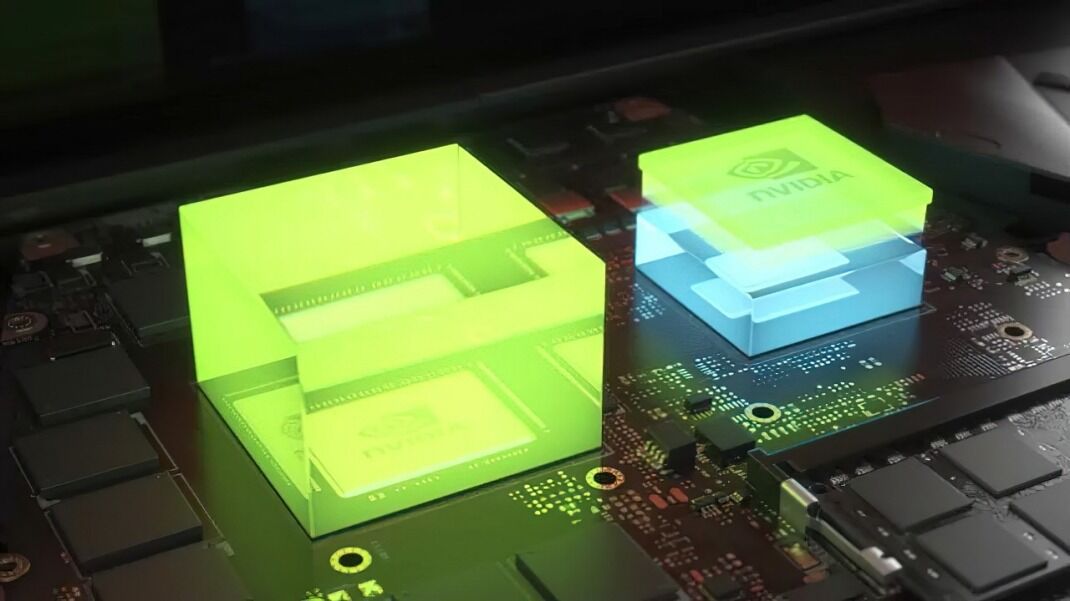
Other additional features of note include Advanced Optimus for reduced screen tearing, Optimal Playable Settings, which finds the best balance between performance and image quality, and CPU Optimizer, which enables the GPU to optimise CPU performance, temperature, and power.
All of that power comes out of the box with the ROG Zephyrus, Strix Scar, and Strix G gaming laptops, each catering to different user demands. Sporting a lightweight, slim chassis, the ROG Zephyrus lineup is purpose-built for work and play, whereas the other two present competitive and entry-level-to-mid-range alternatives, respectively. Alongside the pet offering of an GeForce RTX 50 Series graphics card, fans can also expect exclusive ROG features, including its Nebula display, intelligent cooling capabilities, and the accompanying Armoury Crate app.
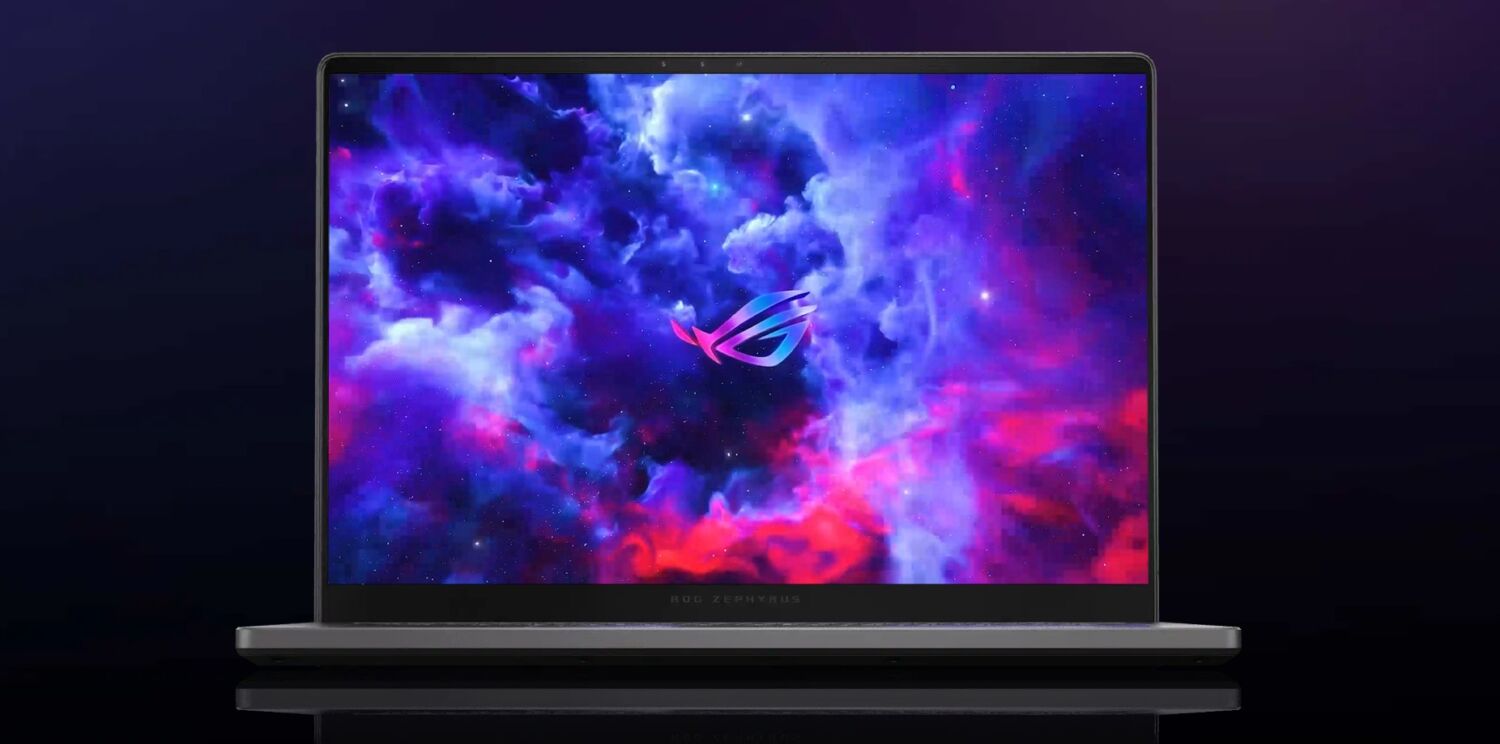
Translating the hardware prowess into fluid, blazing-fast action is a 2.5K-or-higher OLED panel (2,560 x 1,600), which brings a minimum refresh rate of 120Hz, at a rate of three milliseconds or less, and NVIDIA G-Sync support for stutter-free gameplay. The full DCI-P3 coverage and Pantone Validated certification add more vivid, true-to-life colours into the mix, so expect a richer sense of immersion than before.
Fast displays may win fast-paced titles, but they count for nought if thermal throttling gets in the way. No matter the pick, the ROG devices are designed to run cool under pressure, with liquid metal lowering CPU temperatures by up to 10 degrees, 0.1mm-thin fans to increase dissipation rate, and up to six heatpipes for 25 percent more coverage.
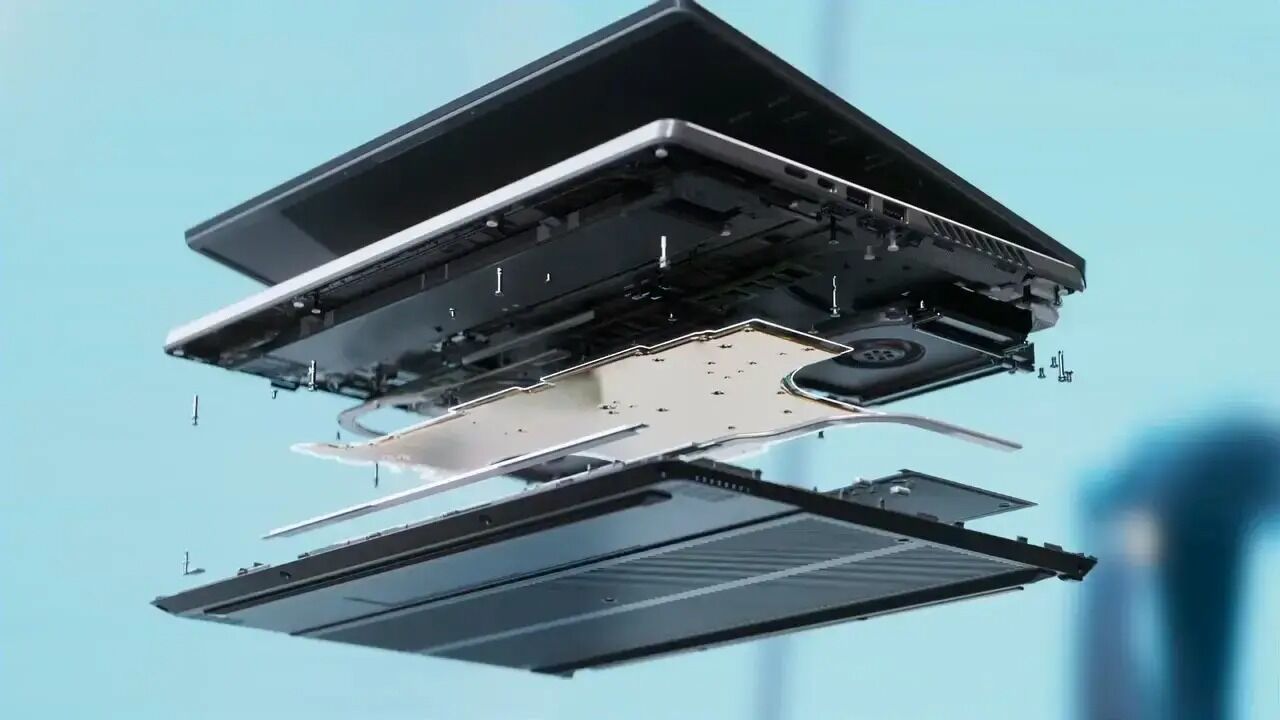
Elsewhere, Arc Flow fans boost airflow by up to 32 percent, while the Anti-Dust Tunnels 2.0 prolongs system longevity. Depending on the model, users may also enjoy bonus perks, such as tri-fan technology and a vapour chamber, alongside software aids like Scenario Profiles, which automatically adjust cooling, and 0db Technology to bring noise levels down.
On the note of software, Armoury Crate serves as an all-in-one hub that grants centralised control over various settings, from customising RGB lighting with Aura Sync and optimising system performance to downloading the latest drivers and firmware. The ROG Elite Rewards loyalty programme introduces another layer of incentivisation – become a member, rack up points, and redeem prizes, all of which can be accessed through the app.
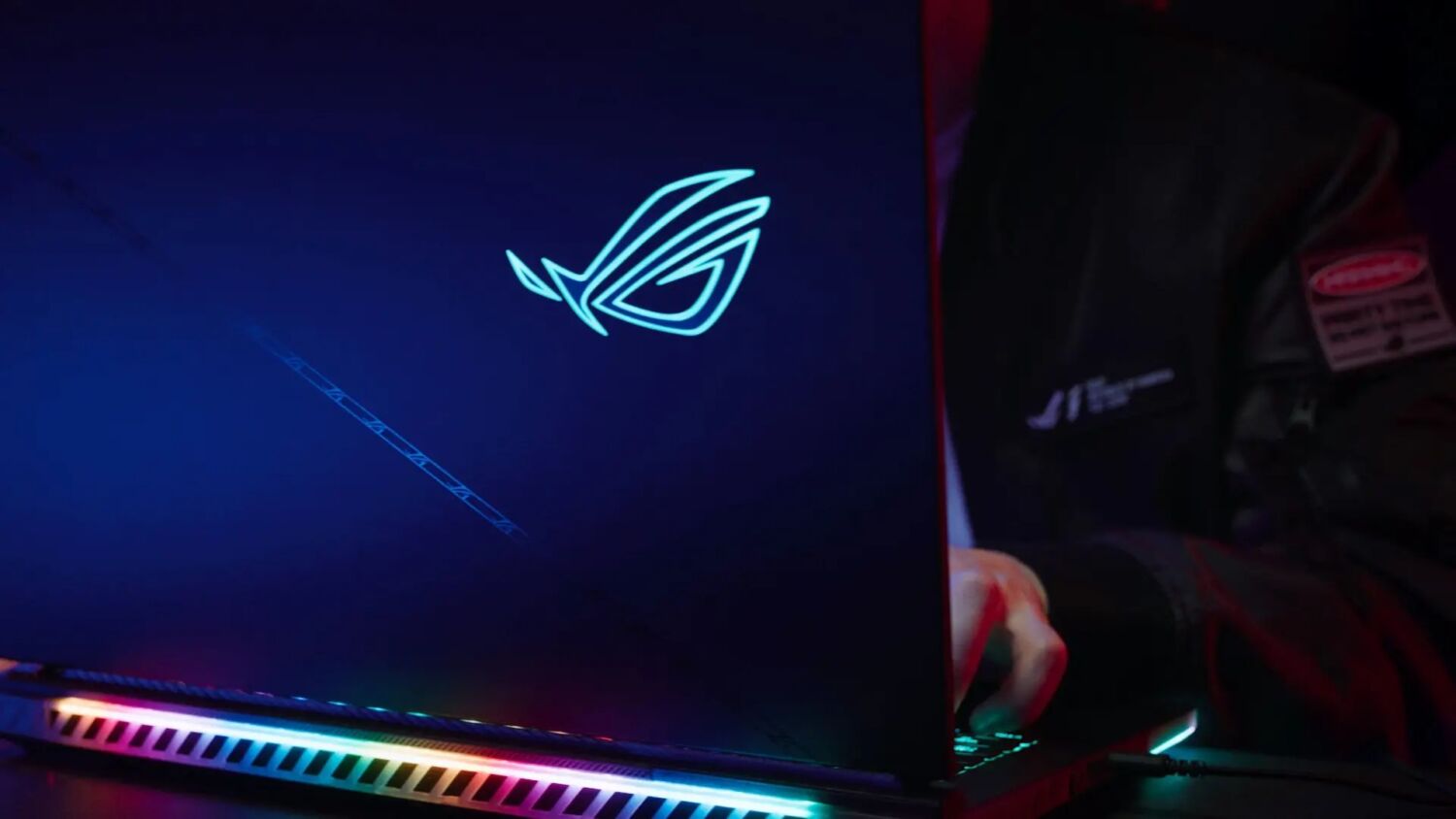
NVIDIA and ROG are already heavyweights in their own right, and combining the best of both worlds will only take gaming laptop performance to even greater heights. The GeForce RTX 50 Series graphics cards are the main drivers, but the ability of ROG’s latest to harness their full potential is the fuel that keeps them ahead of the race and satisfies user demands at the same time.
The 2025 iteration of the ROG Zephyrus G16 ranges from S$3,699 to S$6,099, whereas the Strix Scar 16 is priced at S$5,899 (RTX 5080) / S$6,899 (RTX 5090). The ROG Strix G16 goes lightest on the wallet, with the base model retailing for S$3,299.

Si Jia is a casual geek at heart – or as casual as someone with Sephiroth’s theme on her Spotify playlist can get. A fan of movies, games, and Japanese culture, Si Jia’s greatest weakness is the Steam Summer Sale. Or any Steam sale, really.

 Kevin Low

 Destro