
When it comes to monster-taming media franchises, it boils down to two giants. One targets a younger demographic with its more family-friendly visuals, led by its yellow bipedal rodent, while the Digimon franchise, which has made its mark since its humble 1997 beginnings as the Digital Monster virtual pet series, offers a more mature take across its many anime and manga adaptations, alongside the long-running Digimon Story game series.
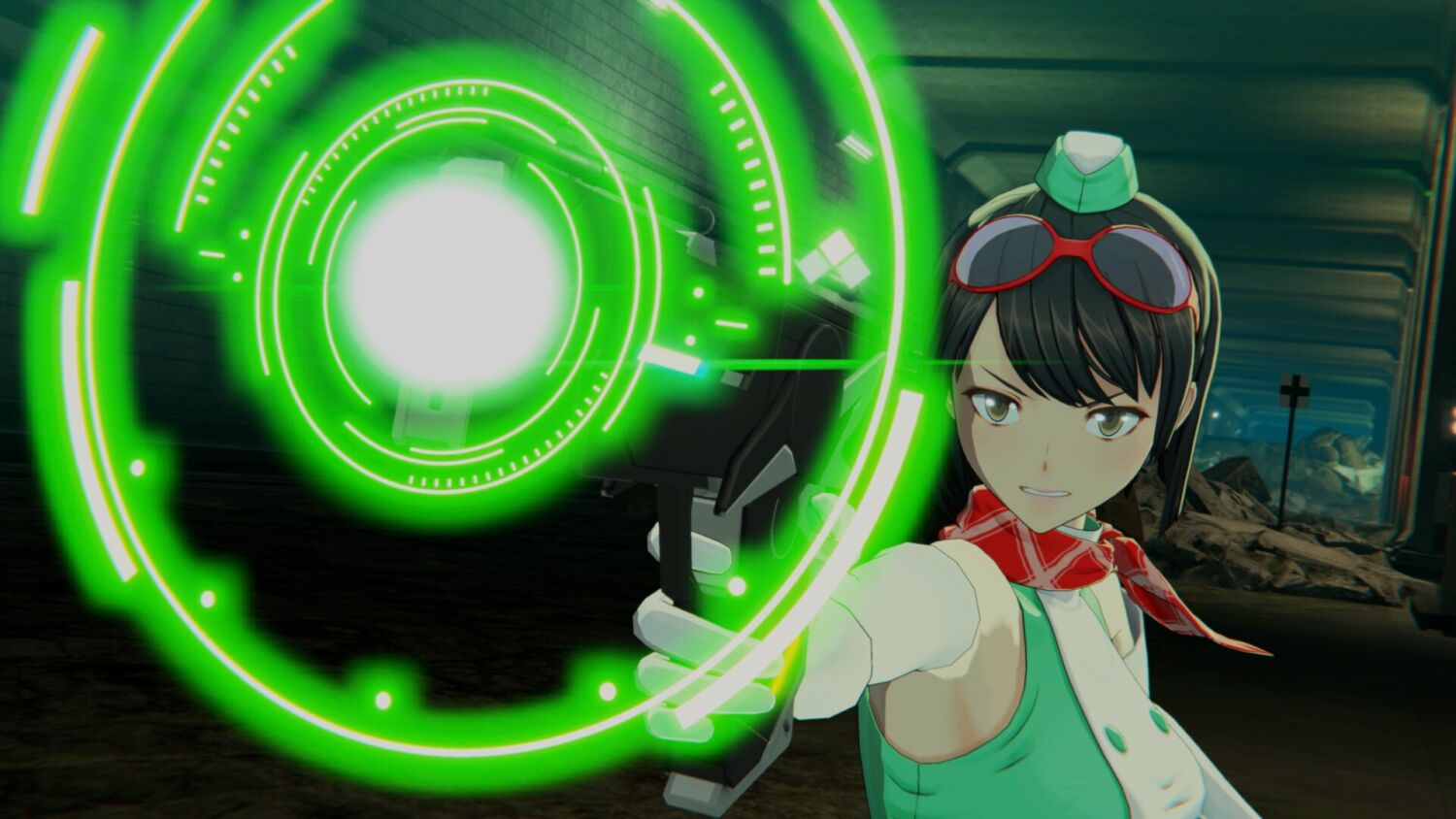
Marking a long-awaited return of the franchise since 2017’s Digimon Story: Cyber Sleuth – Hacker’s Memory, returning developer Media.Vision and publisher Bandai Namco Entertainment are looking to break new ground with Digimon Story: Time Stranger, as the title is now set between two separate locales – the real world and the parallel Digital World known as Illiad, while also offering more player flexibility than ever, positioning itself as the most approachable title in the franchise yet.
We’ve already gotten a brief sneak peek at some of the new elements of the upcoming title during our previous hands-on session with the game, and now, our lengthy three-hour extended preview of two vastly distinct gameplay sections offers a much better look at how these systems work hand-in-hand with the franchise’s well-established turn-based formula, to both enhance the excitement of Digimon battles while also increasing the flexibility of party builds.
The first section of the preview kicked off with an early portion of the game and served as a tutorial of sorts, letting newcomers familiarise themselves with its many gameplay mechanics. As the game’s protagonist, Dan, an agent of the Special Investigation Bureau ADAMAS, players are tasked with investigating the top of the Tokyo Metropolitan Government Building, the site of a mysterious anomaly which saw Digimon leak from the Digital world into the real one.
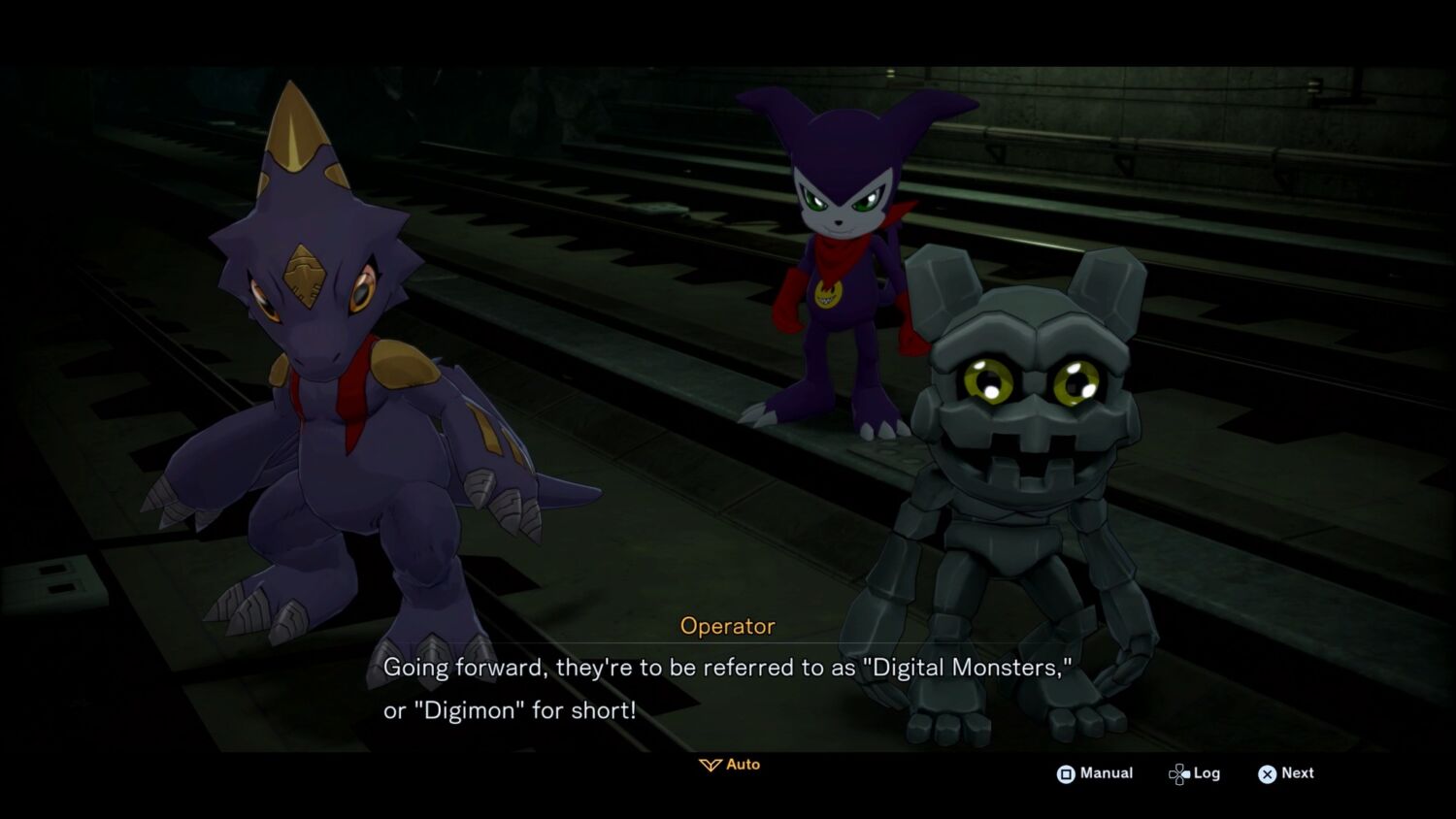
To defend themselves against the many hostile Digimon on the way to their objective, players are presented with a choice of one of three starter Digimon: Patamon, DemiDevimon, and Gomamon, from the original Digimon Adventure (1999) anime.
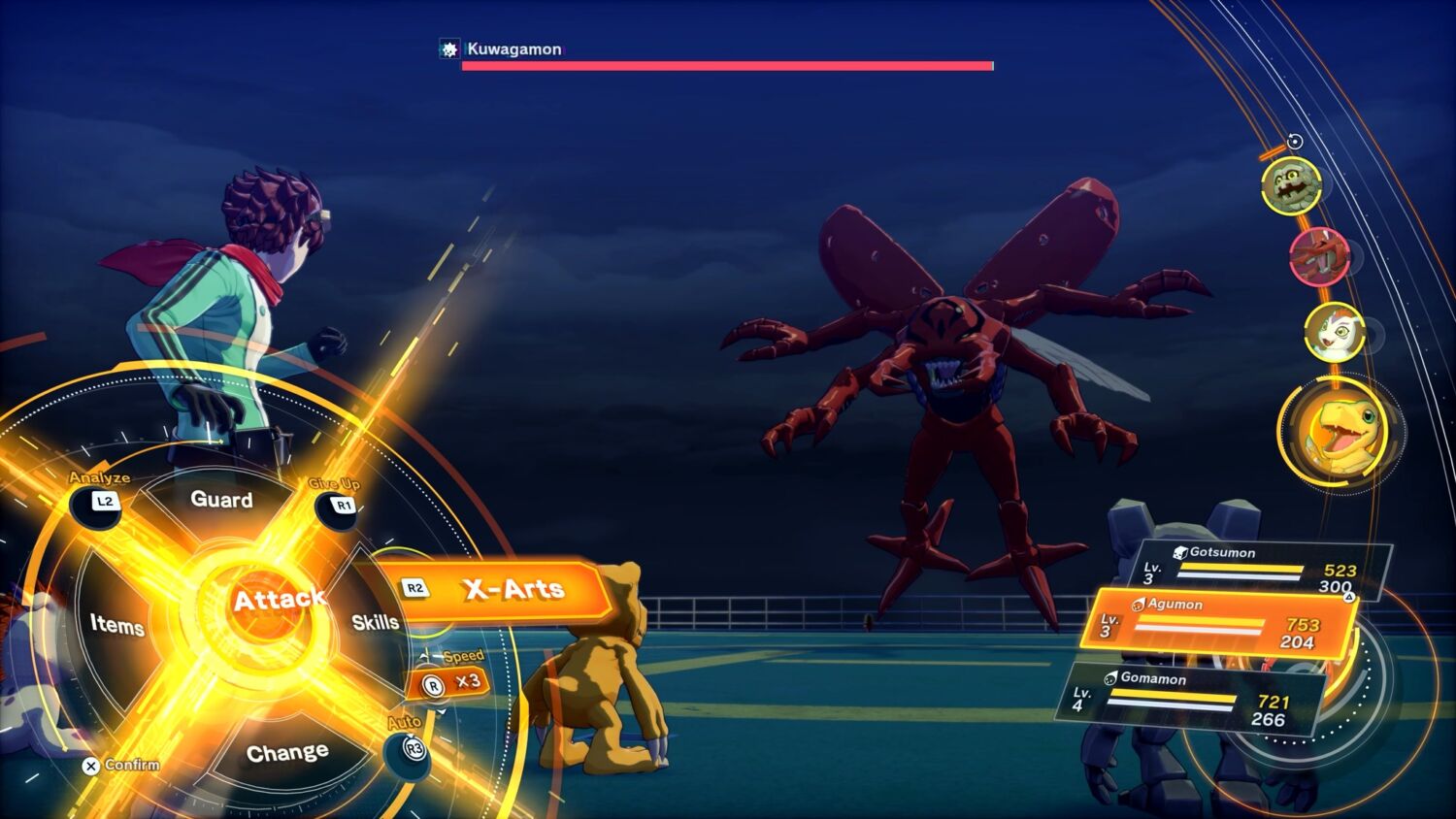
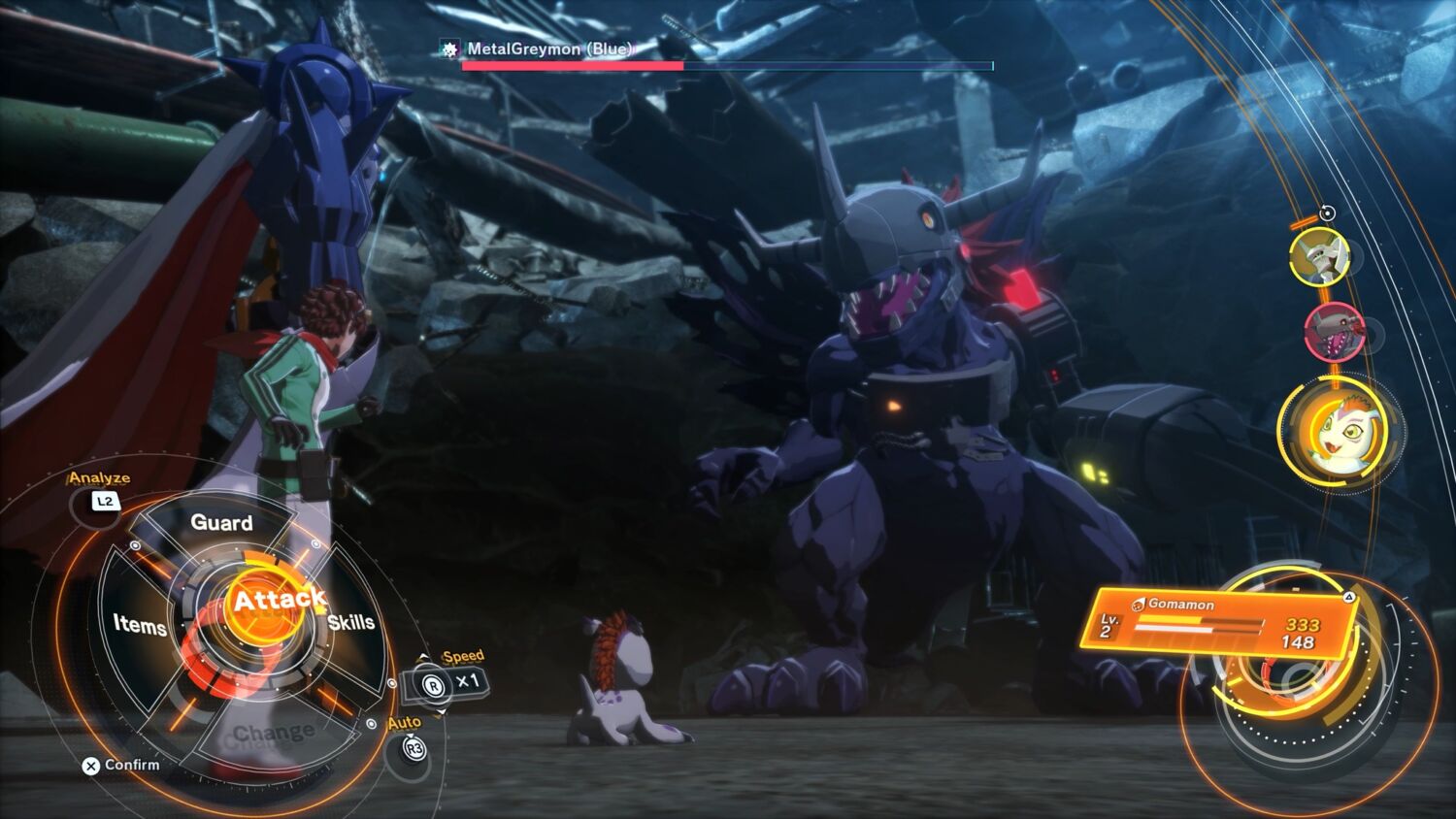
With their chosen companion, players will engage in battles using the Digimon Story franchise’s signature turn-based system, which operates around a rock-paper-scissors framework. In essence, each Digimon possesses a certain attribute and varying resistances to different elements. During battles, players can scan their opponents, revealing their attribute affinity alongside their elemental weaknesses, allowing them to swap out their roster to select the best Digimon to counter a foe’s stats for maximum damage.
To expand a player’s roster of Digimon, they must first convert defeated foes, with each battle won giving a certain percentage of Scan Rate of each Digimon encountered. Once a Digimon’s Scan Rate hits 100 per cent, Players can create a new Digimon partner or continue to build their Scan Rate up to 200 per cent for improved stats, adding them to their roster of three main party members and three reserves.
Digimon are not just used in battles, but while exploring too, assisting the player in the form of DigiAttack, a move that is used in two situations, either to clear specific debris blocking their path, or to launch a preemptive strike against wandering foes, dealing damage before the fight begins, or even outright defeating enemies in one go, which helps with farming for Scan Rate as unlike previous titles, which scans enemy Digimon at the start of battle, Scan Rate is only awarded after opponents are defeated.
The early section concluded with a boss fight against Kuwagamon, with the preview then jumping ahead to a more freeform section in the later game. This time, players are given the opportunity to explore the Digital World Illiad, tasked by a friendly Digimon Shellmon to face off against the Titans, an aggressive Digimon faction, and confront their leader, Sharkmon.
It’s here that players can fully appreciate the complexity of its attribute and element-based combat, alongside a better look at two new features – DigiRide and Attachment Skills.
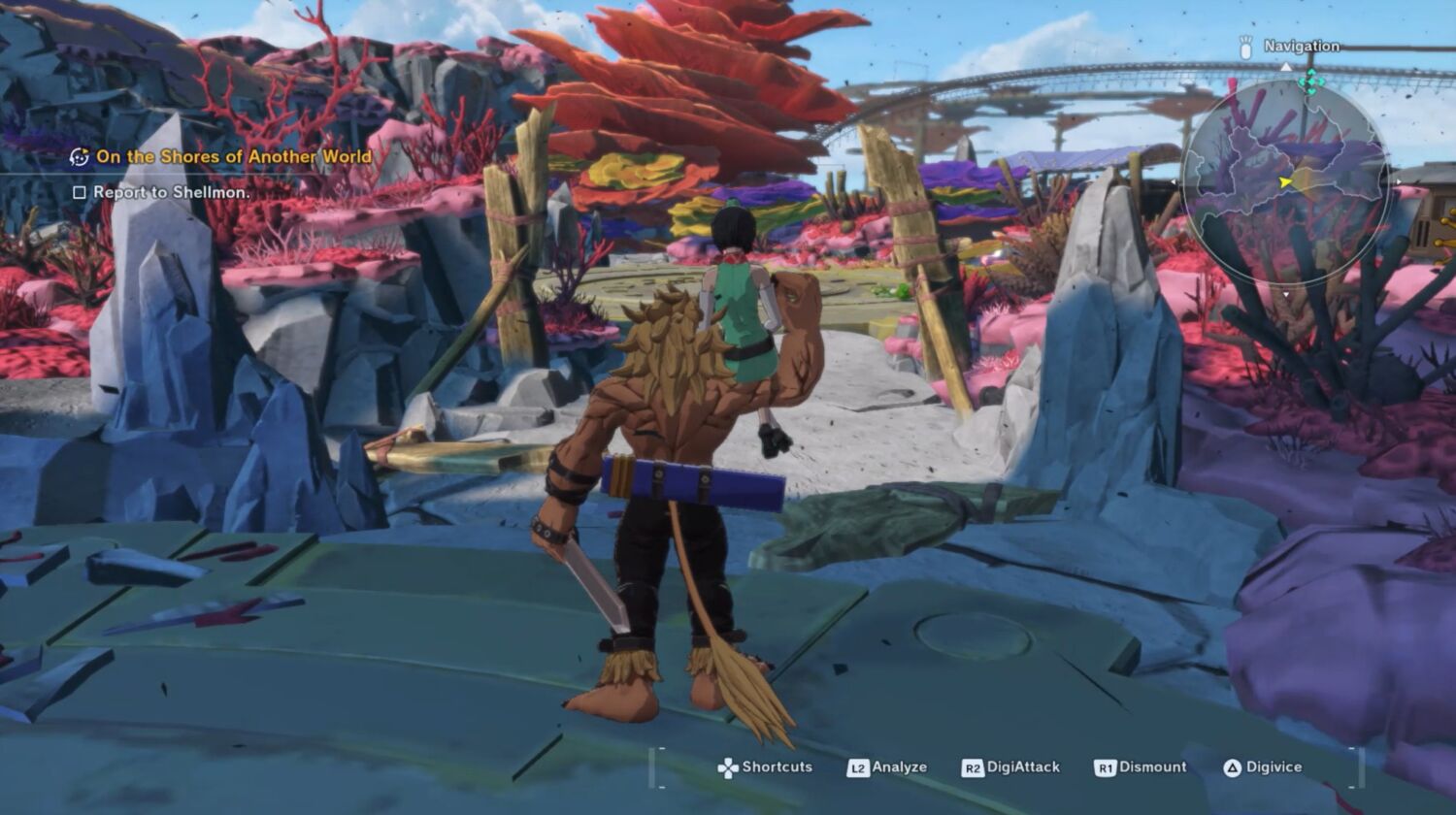
Briefly shown off in the previous preview with the ability to mount Garurumon, DigiRide offers what looks to be a purely cosmetic way to traverse its world on the back of various Digimon, and this feature doesn’t just extend to four-legged friendlies as well, with players able to ride on a variety of Digimon at the push of a button, from hanging off the massive walrus-like Ikkakumon, on the back of the “Desert Eagle” Aquilamon as it soars in the air, or even on bipedal ones too, like Leomon, who lifts a player up on his bulging biceps.
While DigiRide serves as a cosmetic addition, Digimon Story: Time Stranger’s other major new system, Attachment Skills, plays a much bigger role in combat. Each Digimon now has access to four Attachment Skill slots, which players can equip themselves with outside of battle. These come in a variety of moves, from damage dealers to support buffs and healing abilities, and best of all, players are free to equip these skills regardless of the Digimon’s primary element, meaning the traditionally fire-element-focused Growlmon can now be equipped with electricity or earth-based attacks, expanding their versatility in battle.
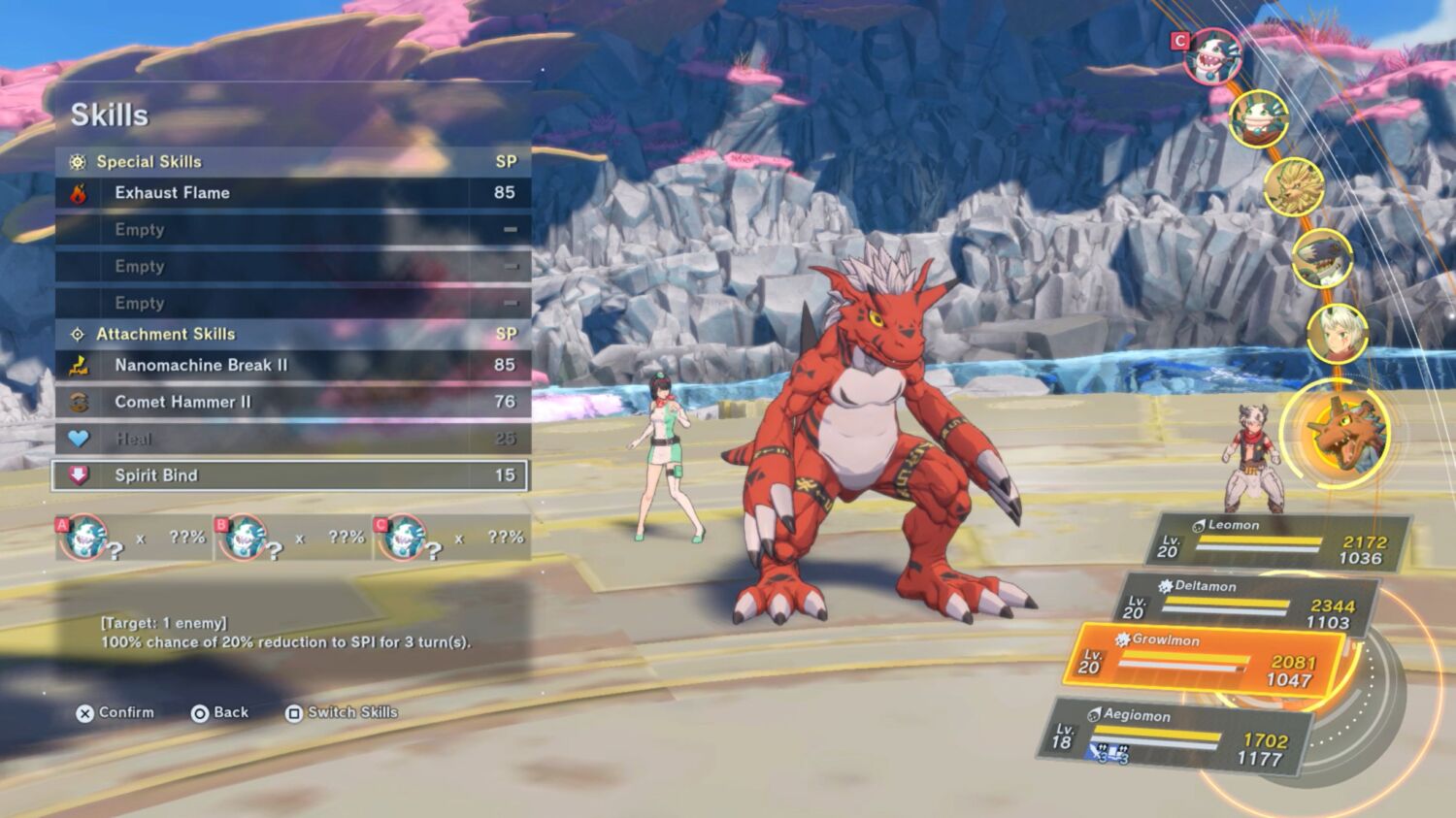
With this system, players may not necessarily be backed into a corner in situations where none of their usable Digimon is of a suitable attribute to deal with foes, as they now can make use of elemental damage multipliers to squeeze out as much damage as possible. This works wonders for utility too, as every Digimon also has the potential to become a healer or support unit, buffing their allies to turn the tide or healing them when things get hairy.
The preview session ended with a challenging encounter against Sharkmon, which also showcased the final, boss-fight-specific new gameplay feature coming to the title, the Critical Point (CP) system.
When faced with a powerful foe, each attack that isn’t directed at the opponent’s weak spot will cause it to gain CP, gradually changing its abilities with stat buffs. Once the CP gauge is filled, the boss then enters a charging state, building up power across its next few turns to unleash a powerful special skill.
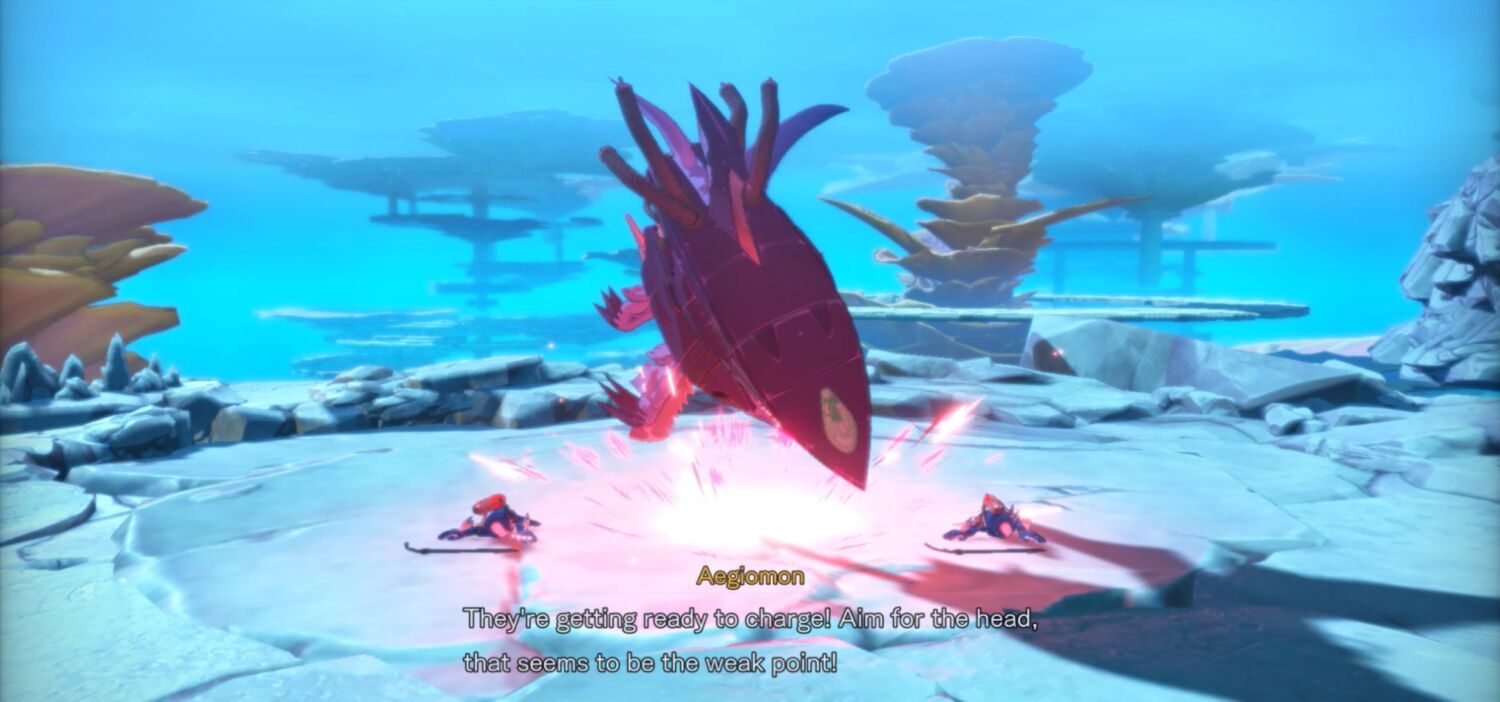
To counter an enemy’s charge, players will then be able to target its specific weak spots to slowly chip at its “breaking point” gauge, presented as a white bar below its health, and once depleted, this results in a “charge break”, cancelling the charged attack while also resetting the boss’s CP gauge and its gained buffs.
The addition of CP adds a tactical layer to boss fights, as players will now have to prioritise which skills to use in battle, saving the more efficient ones to easily break their inevitable charge phase. Fights are also much more tense than before, presenting a literal ticking clock where one wrong move can result in deadly consequences, or in the worst case, an entire team wipe.
If there was one major takeaway of the entire preview, it was the team’s clear goal to make Digimon Story: Time Stranger not only approachable to those keen on the Digimon IP but new to the franchise, but also to make the experience more flexible for returning fans. The former can now build their dream teams based on their favourite characters regardless of attribute affinity, using different elemental Attachment Skills as a fallback instead, while the latter are given more options to synergise their optimal roster for maximum damage output.
It’s these enhancements to the game’s versatility that make Digimon Story: Time Stranger an enticing title for not just fans of turn-based RPGs, but all Digimon fans in general, and with the game marking the franchise’s Xbox console debut, its sure to draw in a wave of fans both old and new when it launches for the PS5, Xbox Series X|S, and PC on 3 October 2025.

Kevin is a reformed PC Master Race gamer with a penchant for franchise “duds” like Darksiders III and Dead Space 3. He has made it his life-long mission to play every single major game release – lest his wallet dies trying.

 Si Jia