
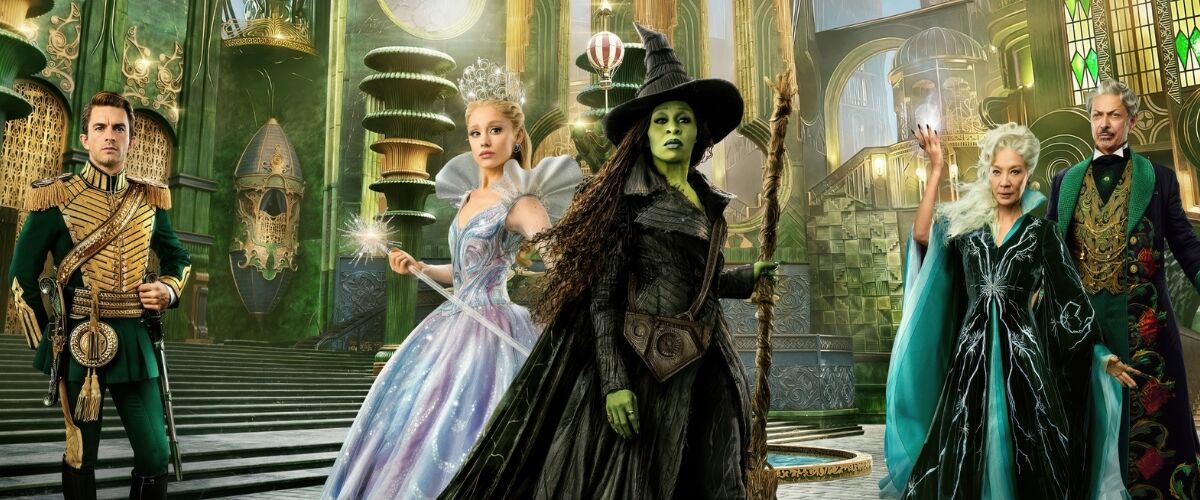
Adapting a beloved stage musical is never a quiet affair, especially when the source material is the hugely popular Wicked. With roots tangled in L. Frank Baum’s seminal 1900 novel, The Wonderful Wizard of Oz, and Gregory Maguire’s revisionist novel series, the adaptation has long held a strong grip on Broadway fans, many of whom hold passionate allegiances to the original cast’s vocal runs and iconic monologues.
So when director Jon M. Chu (Crazy Rich Asians, In the Heights) took on the challenge of turning it into a two-part cinematic event, expectations were always going to be outsized. The first instalment, Wicked (2024), sparkled with the wide-eyed wonder of discovering a magical new world and delivered maximalist spectacle – lavish sets, talking goats, dancing mobs of munchkins – and introduced a new audience to the political underbelly of Oz.
But the second chapter, subtitled Wicked: For Good, walks into more complicated territory. With Act 2 of the stage musical as its source, it trades poppy punchlines for political fallout, personal betrayal, and fractured ideals. Long-time fans know this act well as it’s the one that’s often been labelled as the messier half – rushed, emotionally dense, and occasionally incoherent.
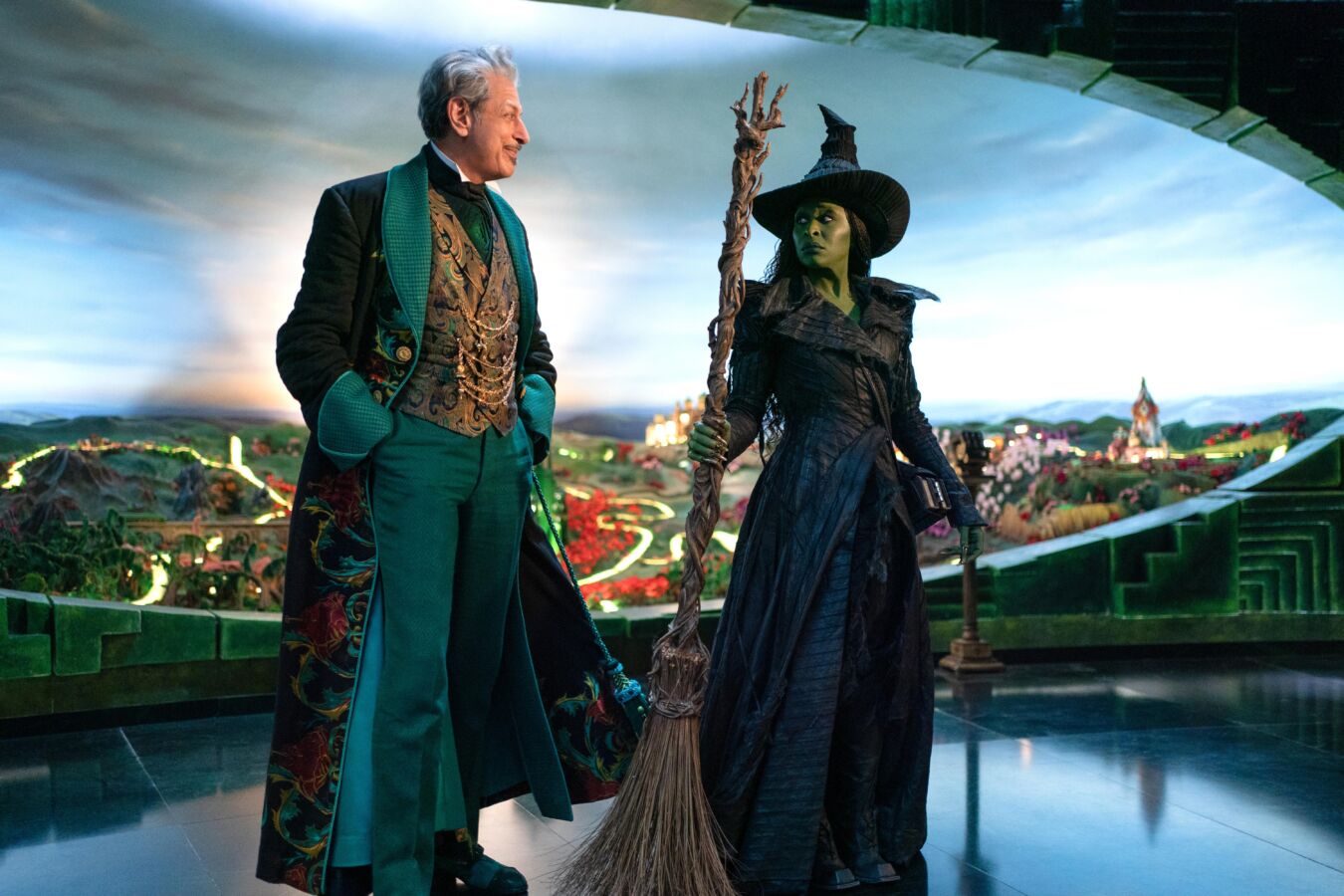
Set after the events of Wicked’s first act, the film picks up in a radically changed Oz. Elphaba (Cynthia Erivo, Harriet), now branded the Wicked Witch of the West, lives in exile. Glinda (Ariana Grande, Victorious), by contrast, has risen to become Oz’s golden figurehead – a symbol of order and carefully constructed truths. As the Wizard doubles down on authoritarian control, targeting animals and silencing dissent, Glinda and Elphaba find themselves on opposite sides. Their split is underscored by Jeff Goldblum’s (Jurassic Park, The Fly) eerily charming Wizard and Michelle Yeoh’s (Everything Everywhere All at Once, Crouching Tiger, Hidden Dragon) Madame Morrible, who tightens the screws with unnerving grace.
Re-entering Oz feels jarring at first, partly because the opening lacks the punch of ‘No One Mourns the Wicked’ and partly because so much has changed since the schoolgirl whimsy of Part 1. Gone is the sense of curiosity and mischief and in its place is an Oz hollowed out by propaganda, fear, and political theatre. As the story edges closer to the canonical events of the classic Judy Garland adaptation, The Wizard of Oz (1939), which Maguire also based his book on, recognisable threads begin to surface.
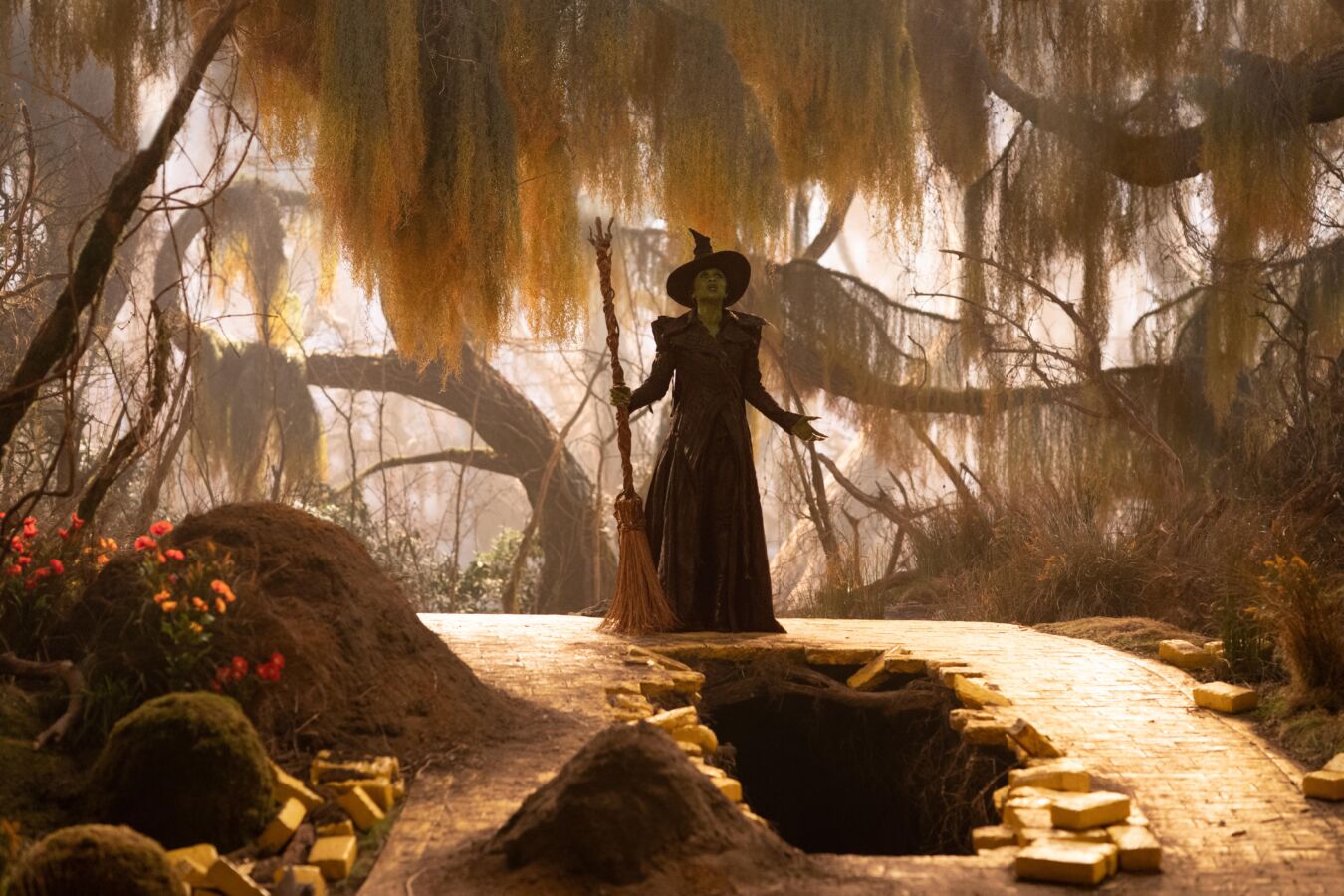
But instead of simply connecting the dots, the film recalibrates familiar moments, reframing spectacle through the lens of character. Elphaba’s supposed descent into villainy is revealed to be less a fall and more a carefully orchestrated push, one delivered by the very institutions she once tried to work with. There are also pockets of power in the darker arcs involving supporting characters like Ethan Slater’s (Gen V) Boq, whose descent adds depth to the film’s moral grey zones. Wicked: For Good wants to be a more grown-up story, casting each character under a more melancholic light as they reckon with the weight of earlier choices.
It’s a compelling shift in focus, but the film inherits Act 2’s biggest problem: a pile of unanswered questions. Prince Fiyero’s (Jonathan Bailey, Jurassic World Rebirth) sudden ascent to Captain of the Guard and engagement to Glinda is barely unpacked in the stage musical, especially considering his pro-Elphaba leanings. Elphaba has been exiled for years, but what has she been up to? And Glinda’s eventual rise to power feels oddly convenient because if she was capable of outmanoeuvring Madame Morrible all along, what exactly held her back? These are threads that Chu seems eager to tie up in the film, but in doing so, he stretches Act 2 (already a shorter portion of the original stage musical) into a 2-hour 17-minute sequel that occasionally struggles to justify its own runtime. Perhaps that’s also why the team recruited veteran Wicked (musical) composer Stephen Schwartz (The Prince of Egypt, Enchanted) to pen two new songs for this adaptation – ‘No Place Like Home’ and ‘The Girl in the Bubble’, one for each of the film’s leads.
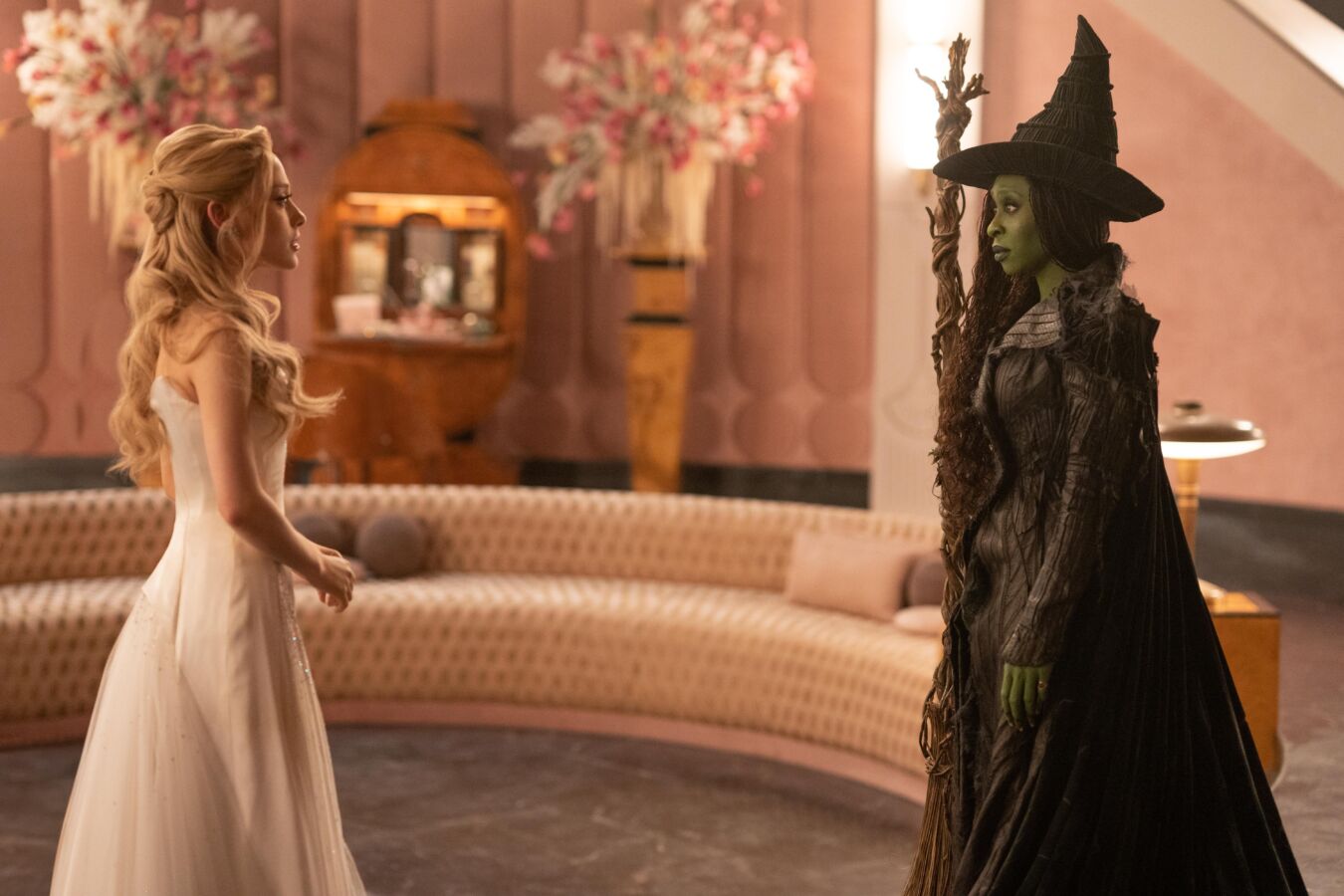
Yet for all its political drama and shadowy turns, the heart of the story never strays too far from the bond between Elphaba and Glinda. Whenever the two share the frame, whether in a hilarious cat fight or a swelling duet, the film remembers exactly what it’s meant to be about. ‘For Good’, the titular number, becomes the emotional centrepiece – a culmination of everything that’s passed between them. The performances are vocally pristine, of course (this is Erivo and Grande, after all), but what resonates is how clearly each note maps out everything unsaid between two women pulled in opposite paths, but tethered by love.
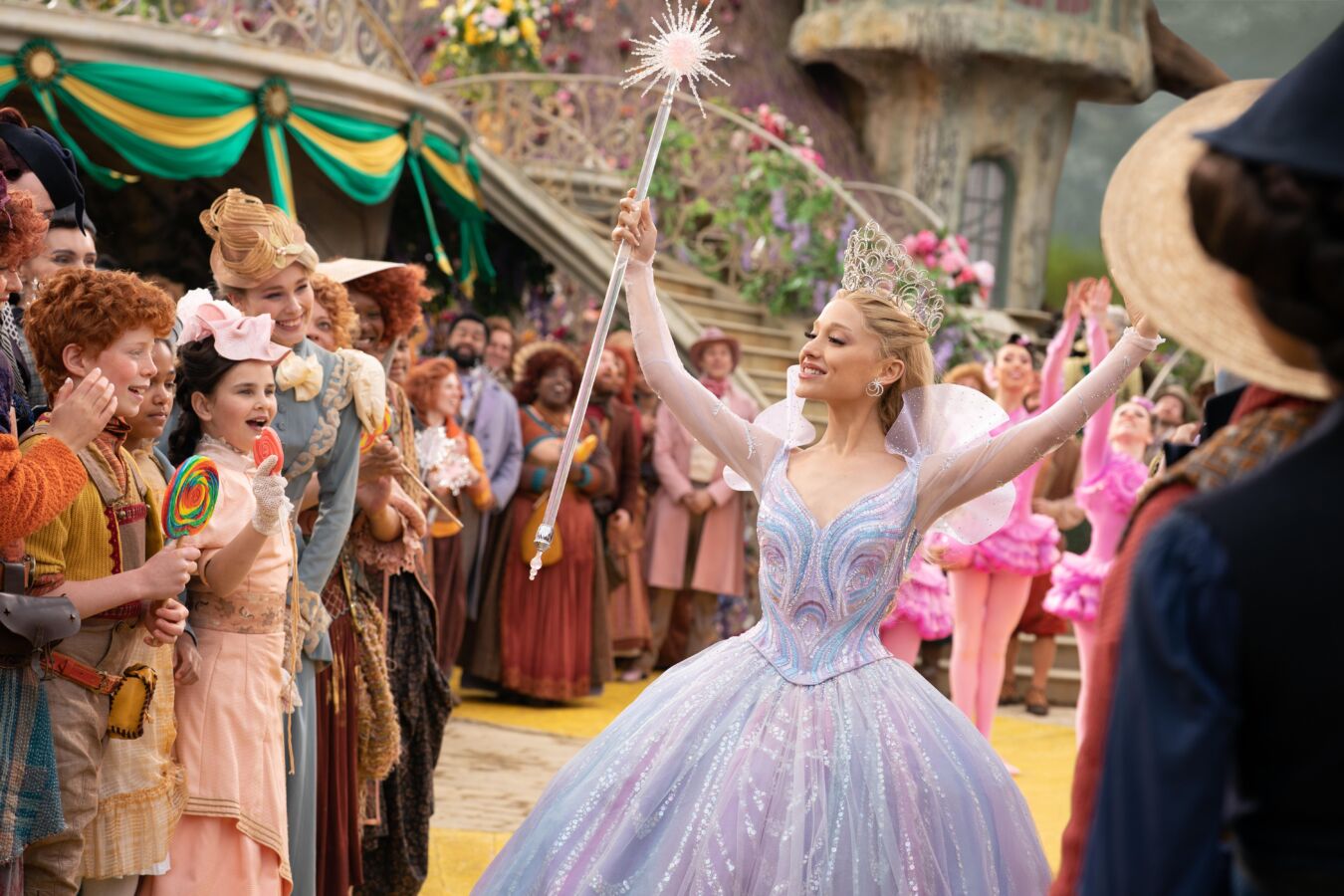
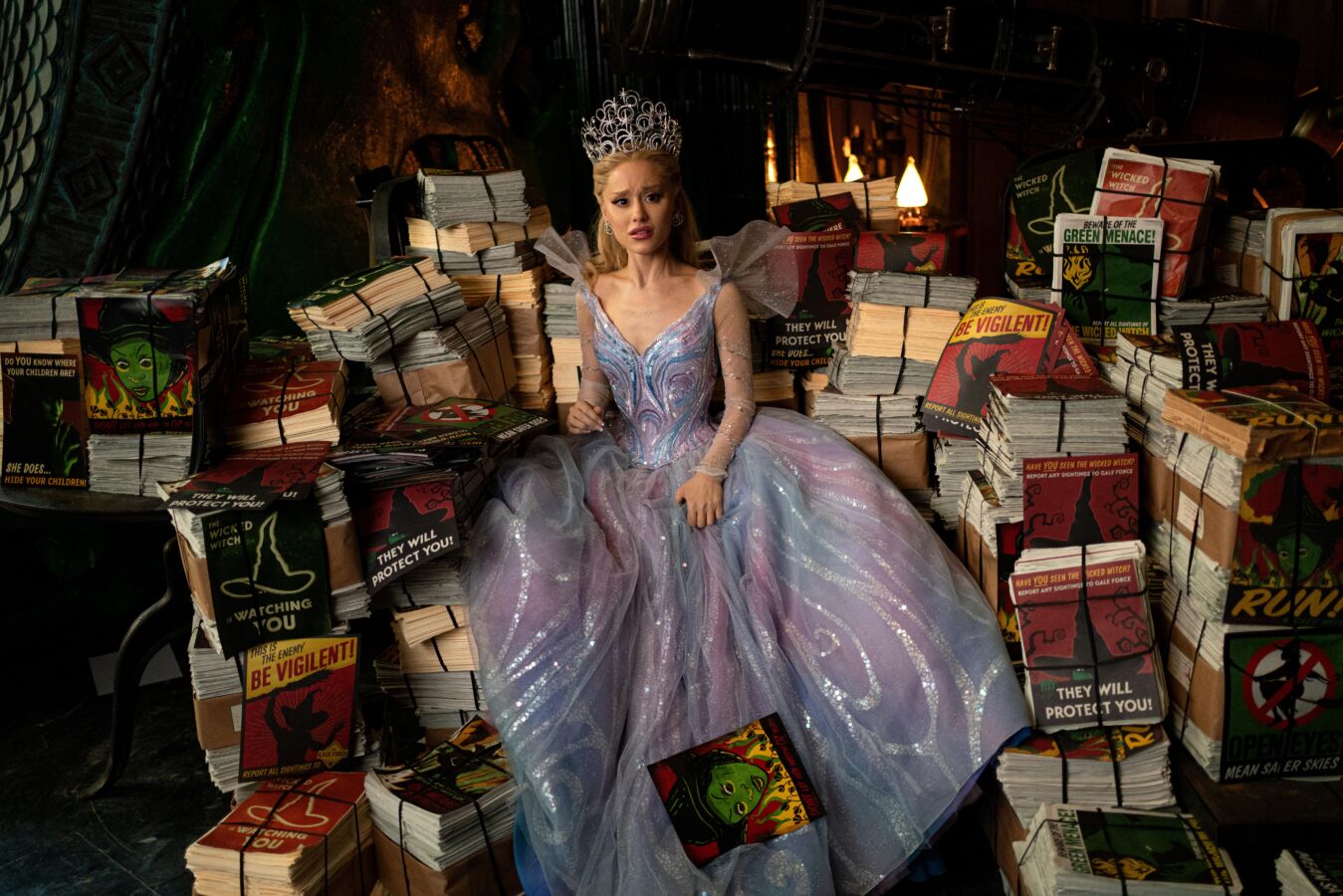
Grande, who once promised to “take such good care of Glinda,” makes good on her word. Wicked: For Good shifts the focus toward the Good Witch’s evolution, and Grande leans into the role with striking clarity. Gone is the popular persona and in its place stands a Glinda who’s poised, precise, and poignantly human. Her new solo number, ‘The Girl in the Bubble’, charts a striking emotional self-discovery arc as she finally decides to try to be Glinda the Good and make a change in Oz. It’s a balancing act between performance and vulnerability, one that Grande executes with finesse.
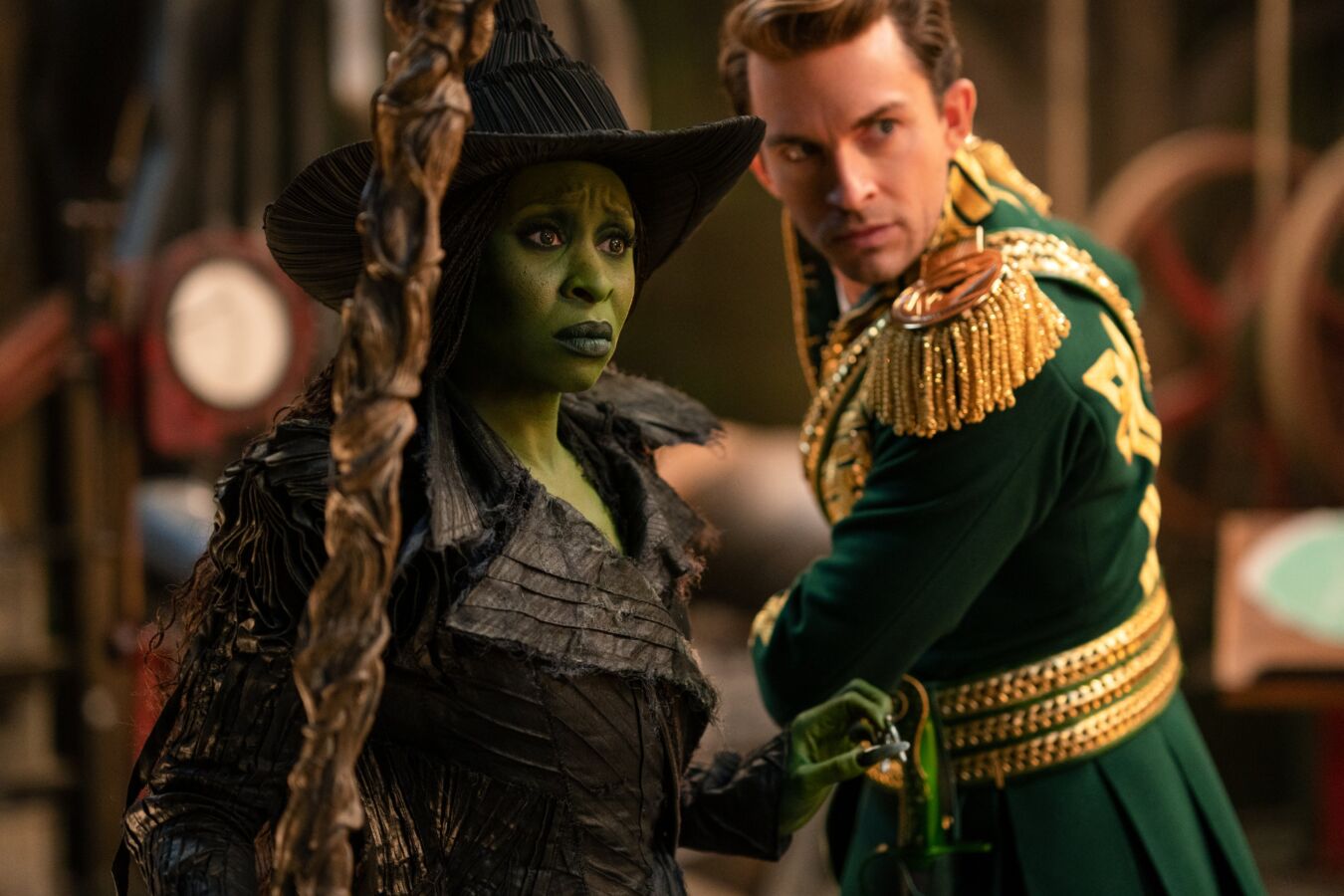
Erivo, on the other hand, continues to blaze forward as Elphaba with a renewed, fiery edge. Her Elphaba has no more patience for Emerald City’s smoke and mirrors. Whether battling injustice or navigating heartbreak, Erivo makes each moment crackle. ‘No Good Deed’ transforms from a solo into a raw exorcism, brimming with frustration and fury. There’s no doubt that she owns the green girl now.
And then there’s Fiyero. People’s Sexiest Man Alive, Jonathan Bailey, reprises his role with effortless magnetism, injecting heart and unexpected sincerity into a character that could’ve easily remained a shallow love interest. His duet with Erivo in ‘As Long As You’re Mine’ hums with heated sexual tension and tenderness, and he lets the cracks show, revealing a man giving into the pull of something far more real.
Visuals have always been a strength for director Chu, and they’re taken several notches higher. Think of Glinda’s wedding to Fiyero – a scene so meticulously orchestrated, it calls to mind the lavish aesthetics of Crazy Rich Asians (2018), only dialled to operatic proportions. Every flourish, from Glinda’s regal dress and lengthy veil to butterflies, flowers, and the shining aisle, feels deliberate without being excessive, reminding us that the production and costume design teams have already swept awards season for a reason.
What truly sets the film apart, though, is how it handles its final act. The musical’s abrupt conclusion has long left fans yearning for more closure, and Chu provides it. Characters who once stood on opposite ends are given room to confront, reflect, and reckon with the choices that brought them there. There’s a stillness in these final scenes that dares to defy blockbuster pacing, letting sorrow and hope sit side by side for just a moment longer.
By the end, it’s the aching recognition between two people who saw each other fully and said, ‘Even when we part, I’ll carry you with me’. Because Wicked has always been about that kind of alchemy. Not transformation through spells, but through friendship. Through fierce, inconvenient love. You don’t leave the theatre with sparkles in your eyes, but with something heavier, quieter, and far more enduring. You leave knowing you’ve been changed. For once. For always. For good.
GEEK REVIEW SCORE
Summary
If only there were a spell strong enough to straighten out Wicked’s famously messy Act 2… Wicked: For Good still wobbles in pacing and frays in places, but whenever Glinda and Elphaba share the frame, it reminds us why the story endures.
Overall
8.1/10-
Story - 7/10
7/10
-
Direction - 8/10
8/10
-
Characterisation - 8.5/10
8.5/10
-
Geek Satisfaction - 9/10
9/10

Natalie is a big fan of anything related to movies, TV shows, and anime — you name it. When she’s not reading or being a dedicated cinephile, she’s probably playing gacha and tabletop games, or daydreaming of Caleb from Love and Deepspace.

 HSALS
HSALS
 Joyce Ong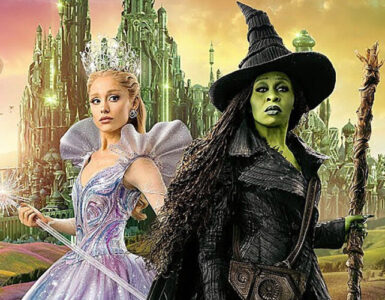
 Si Jia