
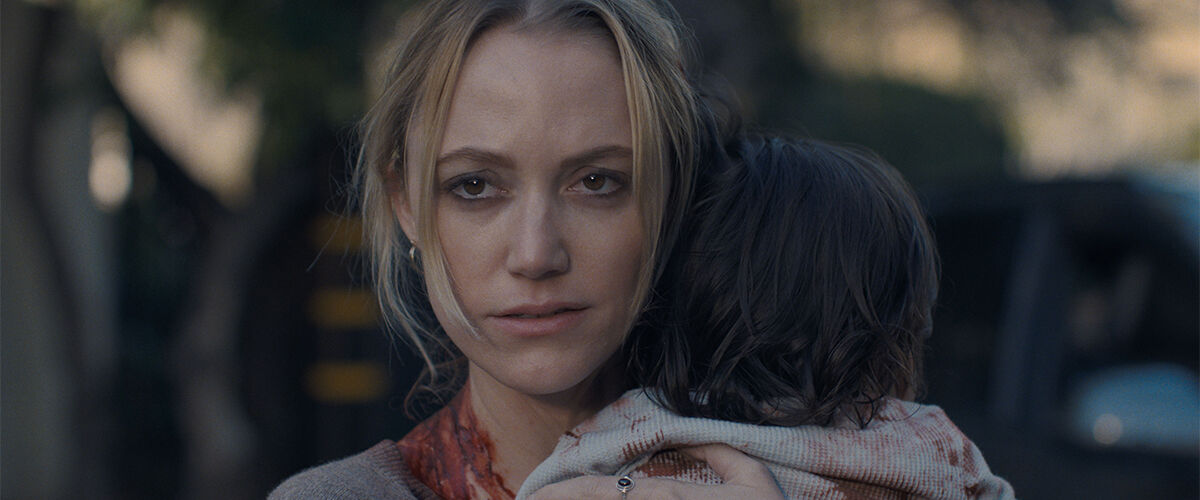
William Ross Wallace’s poem about the power of motherhood, “The Hand That Rocks the Cradle Is the Hand That Rules the World”, took on a sinister new meaning in 1992, when audiences flocked to see a vengeful widow infiltrate an unsuspecting family. The chilling domestic thriller, The Hand That Rocks the Cradle, became a surprise box-office smash, holding the number one spot for four consecutive weeks and raking in US$140 million. 33 years later, that same cradle is being rocked once more, but can lightning strike twice?
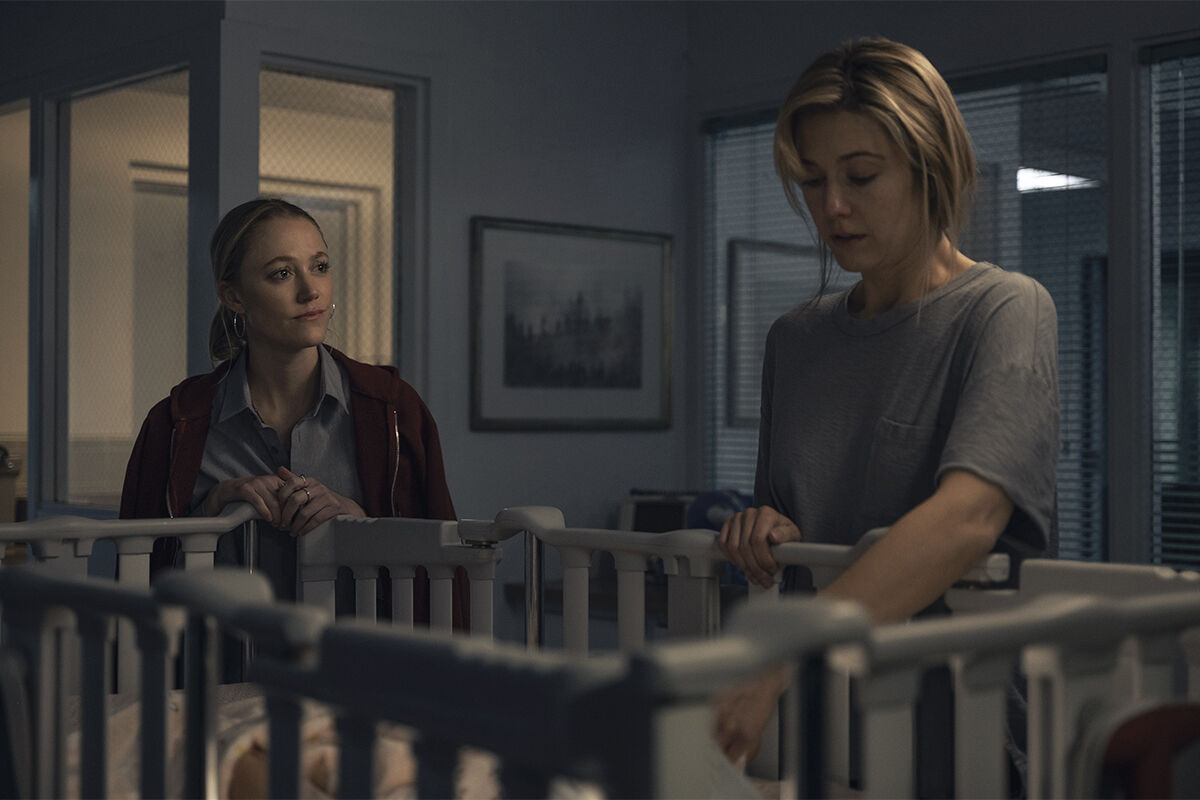
The land of Hollywood certainly thinks so, as there has been no shortage of remakes, from Disney’s relentless live-action adaptations of animated favourites like Lilo & Stitch (2025), to the reboots of Miami Vice and Highlander currently in the works.
But while reimagining old stories for fresh audiences has its merits, certain stories are best left undisturbed in their cribs, as this 2025 revival of The Hand That Rocks the Cradle shows.
For those unfamiliar with the original, the 1992 film followed Claire Bartel (Annabella Sciorra, Fresh Kills), a Seattle housewife who reports her obstetrician for sexual assault. After other women come forward and the doctor commits suicide, his pregnant widow Mrs. Mott (Rebecca De Mornay, Jessica Jones) loses everything — her baby, her home, her future. Six months later, consumed by grief and rage, she infiltrates the Bartel family as their nanny, methodically (and psychotically) destroying Claire’s life from within with the goal of replacing her entirely.
Directed by Michelle Garza Cervera, whose debut feature Huesera earned critical acclaim and awards at the 2022 Tribeca Film Festival, this remake takes a markedly different approach. Where the original laid bare its revenge plot from the beginning, this version shrouds its intentions in mystery. The film opens with an enigmatic sequence, with hands striking a match, flames consuming a house, and a young girl watching from the yard as screams pierce the night.
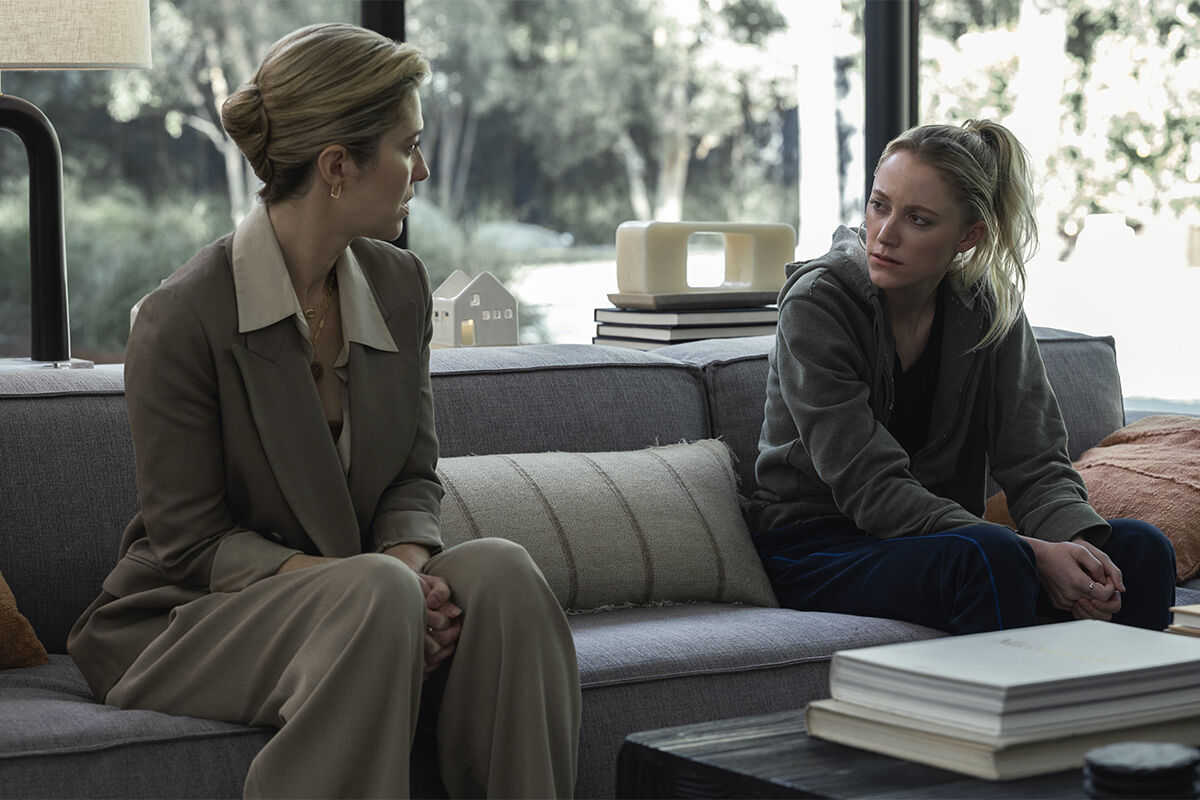
We then jump to the present day, where Polly Murphy (Maika Monroe, Longlegs) sits across from real estate attorney Caitlin Morales (Mary Elizabeth Winstead, 10 Cloverfield Lane), seeking help with mounting financial troubles after losing her nanny job when a family relocated. After Caitlin gives birth to her second child, she and her architect husband Miguel (Raúl Castillo, Smile 2) invite the struggling Polly into their upscale suburban home as their nanny. Polly quickly becomes indispensable, bonding with the two daughters and seamlessly integrating into their daily lives. But as time passes, Caitlin begins sensing that something about Polly doesn’t quite add up.
Garza Cervera envisioned this project as a departure from the original, having been granted creative freedom to craft an entirely new narrative for a slower-burning psychological thriller. There’s no clear victim, no defined perpetrator — just two morally grey women connected by a traumatic childhood event. In that sense, calling this a remake feels almost misleading, considering how much it diverges from its predecessor. At the same time, it’s equally difficult to classify it as a psychological thriller when the scariest aspect is how low your heart rate might get as you watch it.
Both leading ladies deliver committed performances, with Monroe convincingly embodying a nanny with obscured intentions, while Winstead credibly portrays a mother whose grip on reality grows increasingly tenuous. But the performances leave much to be desired, especially given Monroe’s established status as a scream queen thanks to her breakout roles in The Guest and It Follows (both 2014).
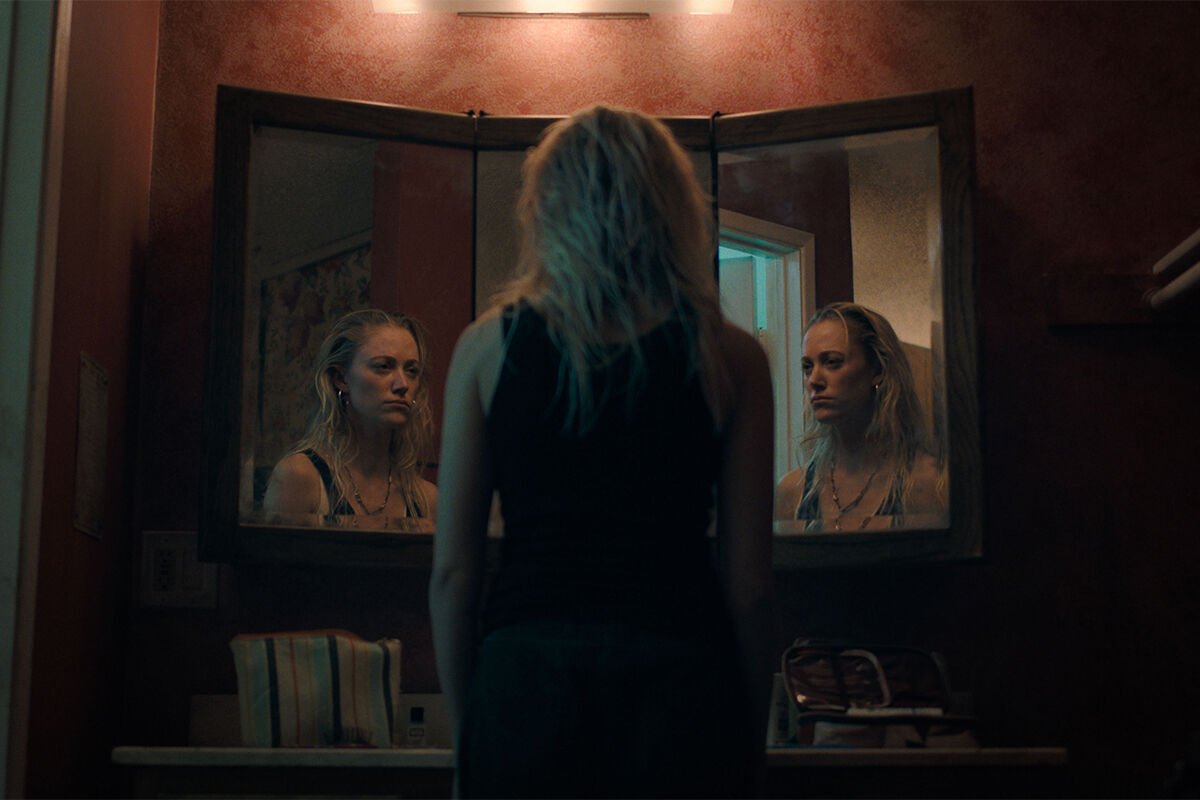
To be fair, following in Rebecca De Mornay’s footsteps would challenge any actress — Monroe included. De Mornay’s iconic portrayal of the deranged nanny Peyton Flanders cemented the character as one of cinema’s most memorable villains, where one look from her icy blue eyes would send a chill down your spine. In contrast, Monroe’s gaze registers as vacant rather than menacing, her performance stiff apart from occasional outbursts. It certainly doesn’t help that De Mornay herself was reportedly disappointed upon learning of the remake, admitting that no one from the new cast or crew reached out to her about it, and that the project “felt like a betrayal.”
Pacing issues also betray what a thriller should be. Caitlin’s spiral from “something feels off” to full-blown paranoia happens in jarring leaps rather than organic beats, skipping the mounting dread that defines the genre. Throughout, the film peppers in moments clearly designed to generate unease, though none land with impact. A repetitive electronic drumbeat resembling cyberpunk video game combat music plays whenever the film wants to signal danger or tension, creating tonal clashes with the domestic setting and undermining whatever suspense might have developed naturally.
The script further clutters its revenge narrative with underdeveloped subplots and unnecessary diversions. Gratuitous sexual scenes add nothing meaningful, while supporting characters — particularly Caitlin’s friend Stewart, played by Martin Starr (Tulsa King), exist as little more than disposable plot devices. The husband remains frustratingly underwritten, making it difficult to invest in the family unit that’s being torn apart. When the characters feel this thinly sketched, the stakes evaporate.
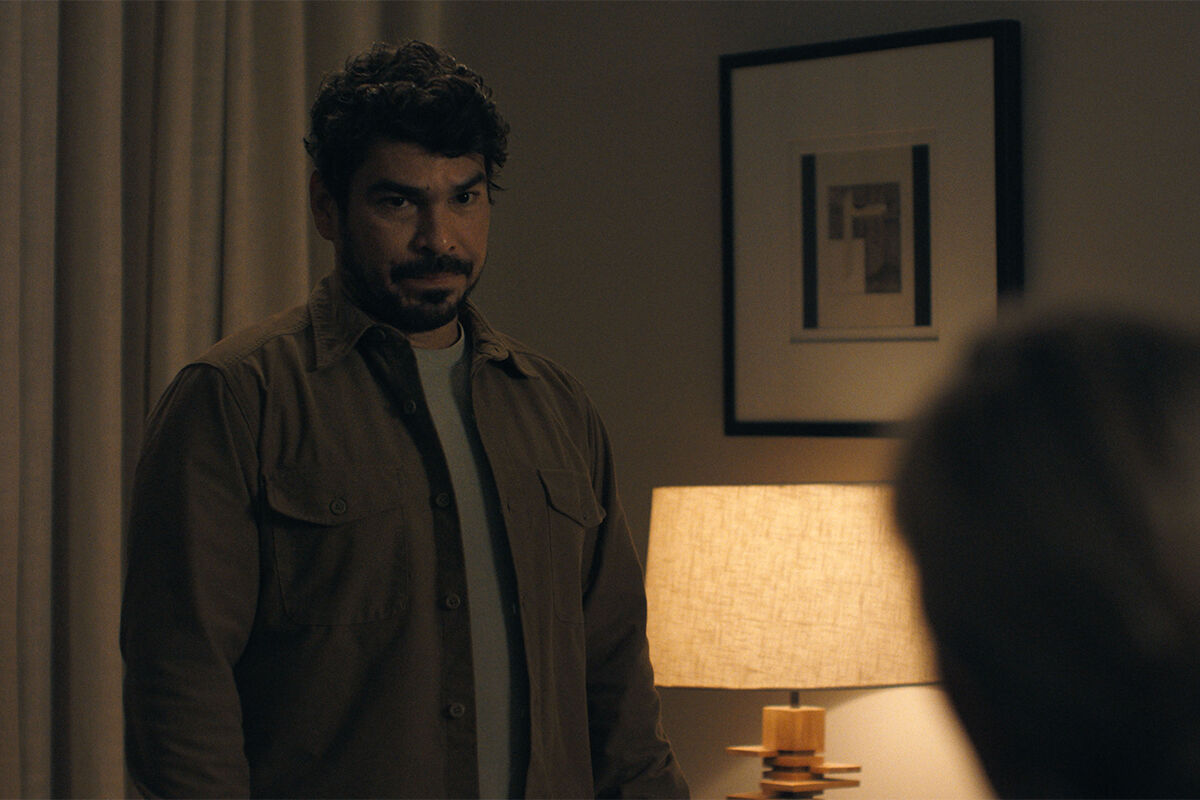
To its credit, the remake does make deliberate attempts to update the source material for the modern day, some more successful than others. It notably dropped the character of Solomon, the handyman played by Ernie Hudson in the original, steering clear of the problematic portrayal of a mentally disabled black character serving a well-off white family. Other efforts feel more superficial though, especially the way it tries to introduce LGBTQ+ representation — both protagonists and even the pre-teen daughter express queer identity or curiosity — yet these elements feel more like ticking checkboxes rather than explorations of these themes in any meaningful way.
The final act compounds these issues by abandoning heart-pounding suspense for sudden, visceral chaos that evokes more bewilderment than terror. Instead of a cathartic climax, we get a rushed, unsatisfying resolution. The film wants you to side with neither woman, to feel sorry for both as equally sympathetic victims of circumstance. Unfortunately, this emotional payoff remains frustratingly out of reach, undermined by weak character development and questionable plot machinations throughout.
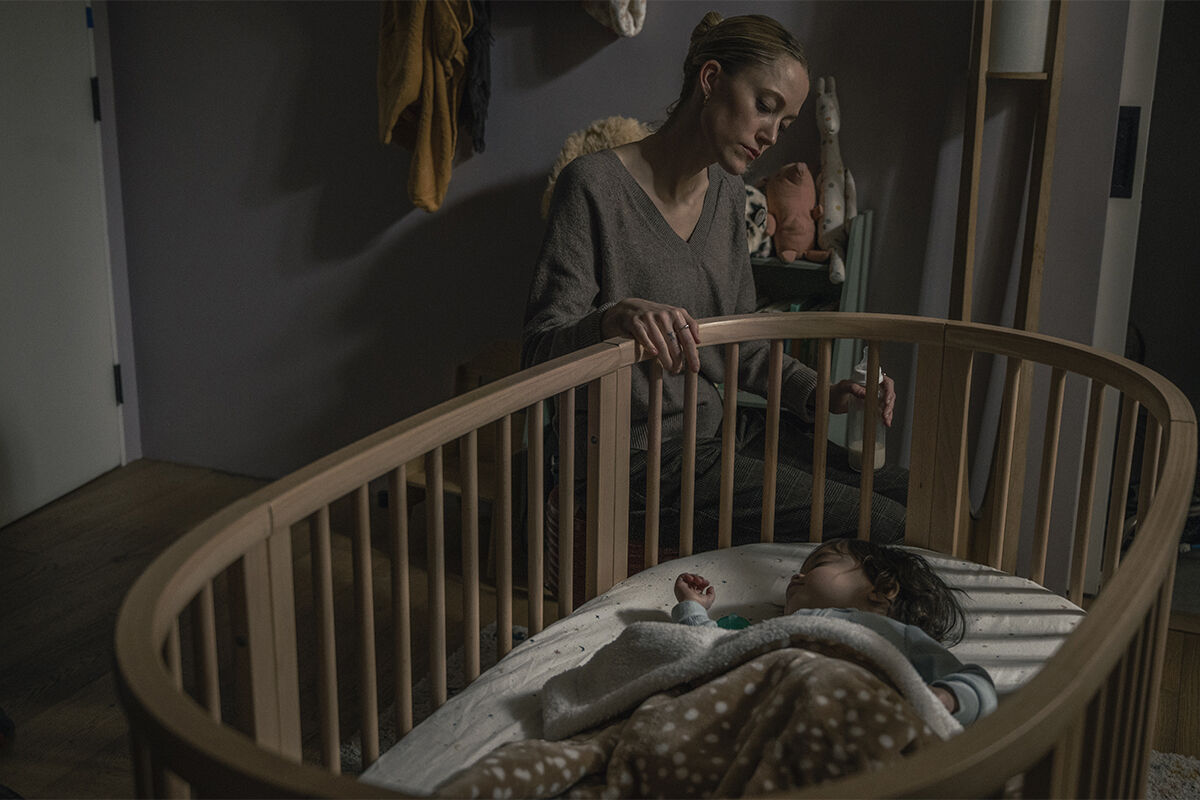
While it could be said that the original was predictable, there’s beauty in simplicity and executing a straightforward plot well. In the end, the remake fails where the original succeeded, trading clarity, suspense, and compelling characters for overly complicated grey areas and muddled motives. And down will come baby, cradle and all.
GEEK REVIEW SCORE
Summary
In its endeavour to offer a fresh take on the classic thriller, The Hand That Rocks the Cradle (2025) stripped away the very elements that captivated fans of the original: pulse-pounding suspense, a memorable villain, and a family worth rooting for.
Overall
5.4/10-
Story - 5/10
5/10
-
Direction - 6.5/10
6.5/10
-
Characterisation - 5/10
5/10
-
Geek Satisfaction - 5/10
5/10

Part-time barista, full-time nerd. Here we see Joyce in her natural habitat — hunched over her mechanical keyboard playing indie games, binge-watching TV shows, obsessing over Love and Deepspace, and crocheting peacefully to the melody of Twitch streams and true crime podcasts.

 HSALS
HSALS

 Kevin Low