The crime adventure gaming genre is a rather crowded one, sparked off by the worldwide phenomenon that was the Grand Theft Auto franchise, that spawned multiple similar games in its wake. Dubbed “GTA clones”, each drew inspiration from GTA while adding their own spin on the formula but few found the raw realism that was the Mafia franchise.
While other franchises double down on the action, placing mayhem at its forefront, like the Saints Row or Crackdown games, Mafia took things in the opposite direction, grounding the action in favour of delivering an engaging narrative experience. Debuting with the critically acclaimed Mafia (2002) and following up with an equally impressive 2010 sequel, the series hit a snag in 2016 with Mafia III, and for developer Hangar 13, its upcoming entry, Mafia: The Old Country, offers a chance for redemption, to bring the series back to its glory days.
To this end, Hangar 13 has succeeded, as the latest title presents a welcome shift back to the series’ narrative-driven roots, offering an excellent, albeit slightly familiar mobster adventure.
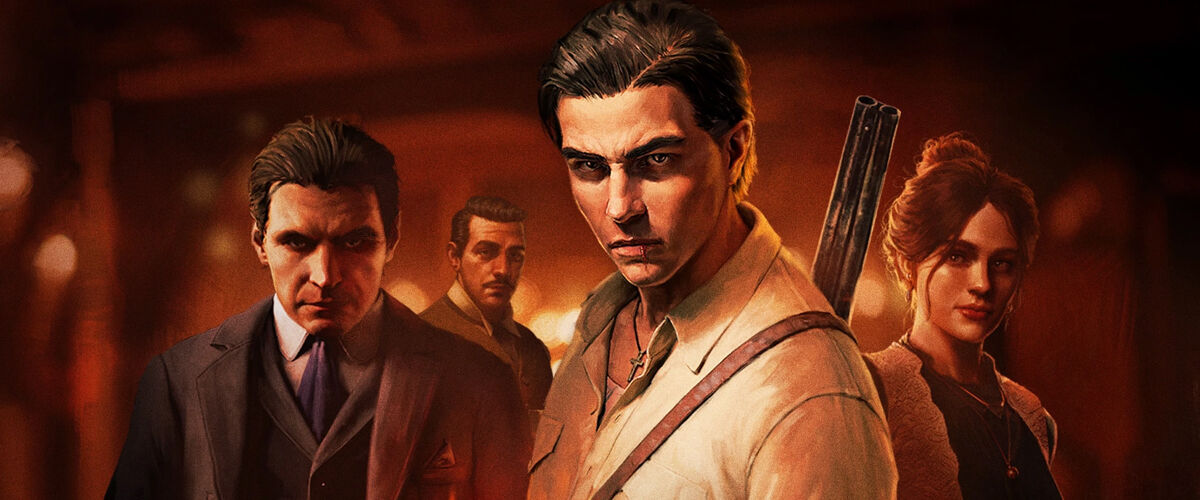
As a prequel to the original game, Mafia: The Old Country takes place in 1900s Sicily, long before Tommy Angelo got his taxi driver’s license, making way for a very different generation of Mafioso. This story centres around Enzo Favara, a man sold by his father to a sulfur mine at a young age, who, following a tragic mine accident, falls at odds with his abusive mine guards and is hunted down, only to be rescued and taken in by Don Bernardo Torrisi, head of the Torrisi crime family.
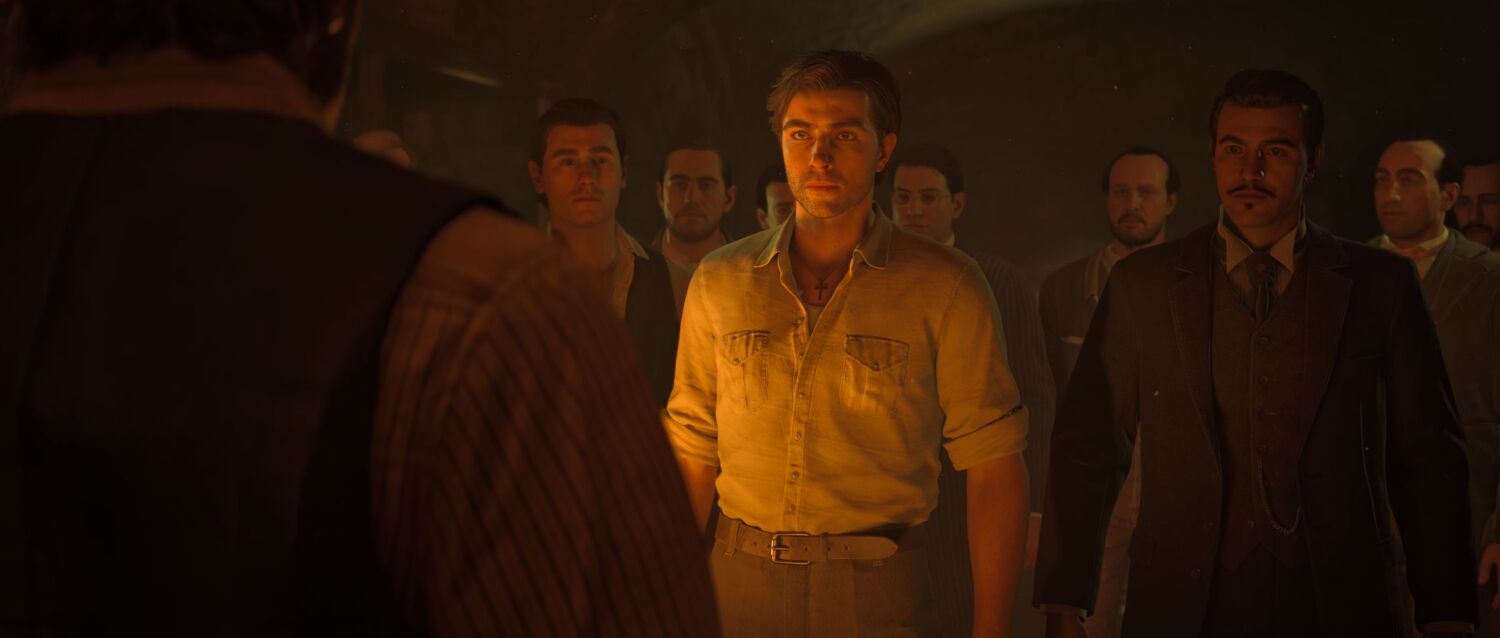
What follows is the classic “from rags to riches” tale, similar to that of the first two Mafia games, as Enzo steadily builds trust with his comrades, going from handling all manner of trivial tasks, to getting more involved with the shadier aspects of the crime family, forming deep bonds with its members before things unsurprisingly takes a turn for the worse. In fact, fans of the original Mafia and its 2020 remake will no doubt notice similarities between the two, owing to rehashed story beats like an initial payment shakedown mission, the feud between the opposing Spadaro family, and even a race for a championship cup, although thankfully, it’s much more manageable this time around.
Its premise might be a familiar one, but that’s not to say that it isn’t well executed, thanks to strong writing and vocal performances across the board. Compared to previous entries, it’s far easier to relate to Enzo’s tale and how easily he falls in with the Torrisi family, considering they are the first people to show him any ounce of respect after spending his entire life being treated like dirt, despite him being beneath them in status.
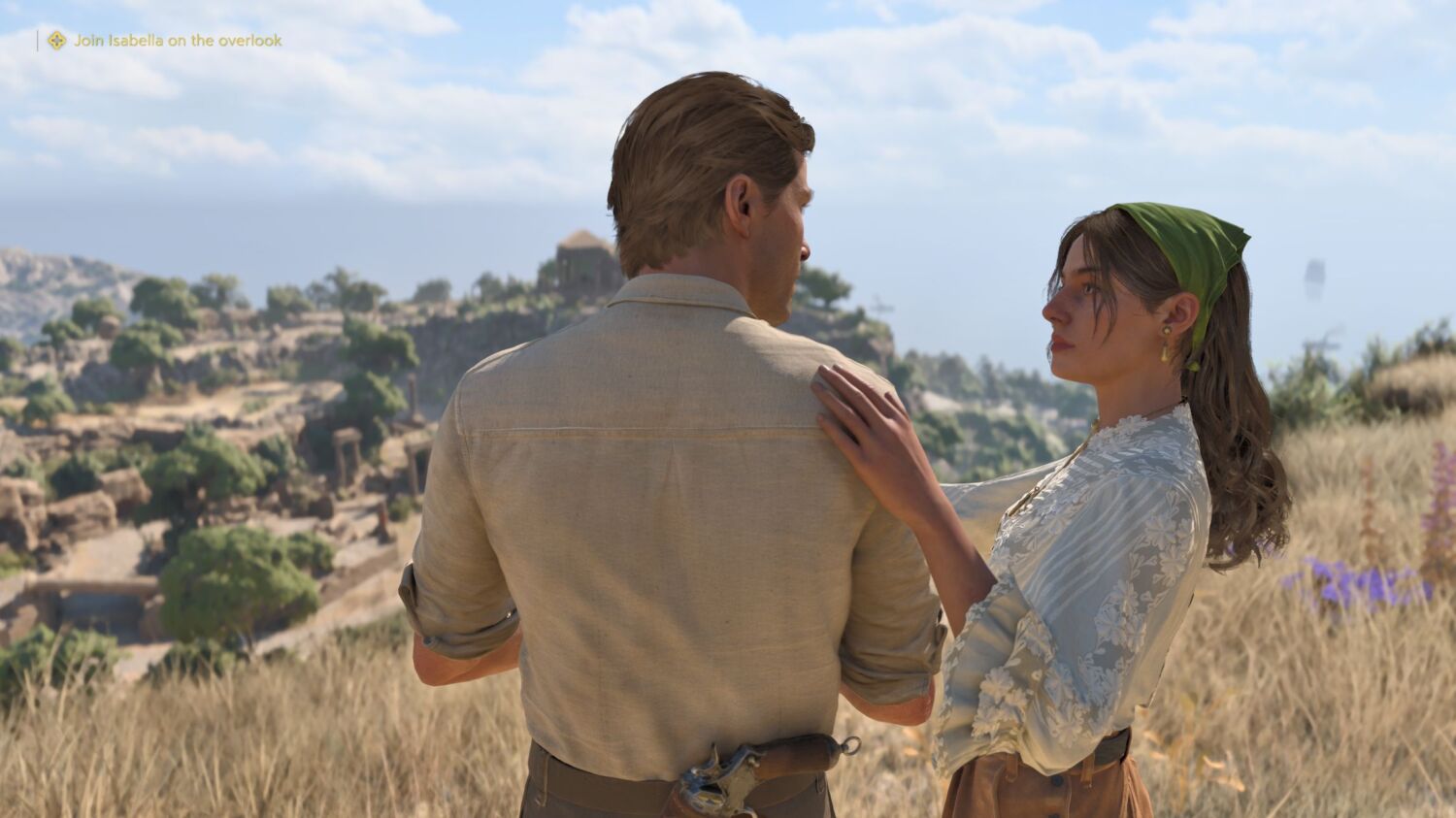
The relationships formed between Enzo and his peers also come naturally, from his protective yet stern mentor Luca, to the playful verbal jabs shared with Cesare Massaro, nephew of the Don, to the budding secret relationship between him and the Don’s daughter, Isabella, and even the Don himself, who, like any pragmatic leader, only starts to take notice of Enzo after major achievements. Interactions are subtle but meaningful, often leaving it to minute gestures like a gentle tap on the shoulder or the slightest nod to indicate approval, conveying emotions far more effectively than mere words.
It’s the typical Mafia affair that fans of the series have come to know and love, a slow-burn narrative filled with equal parts hope and despair, and true to the franchise, it’s the moments of quiet happiness and the bonds shared between characters that make the eventual downfall even more heart-wrenching.
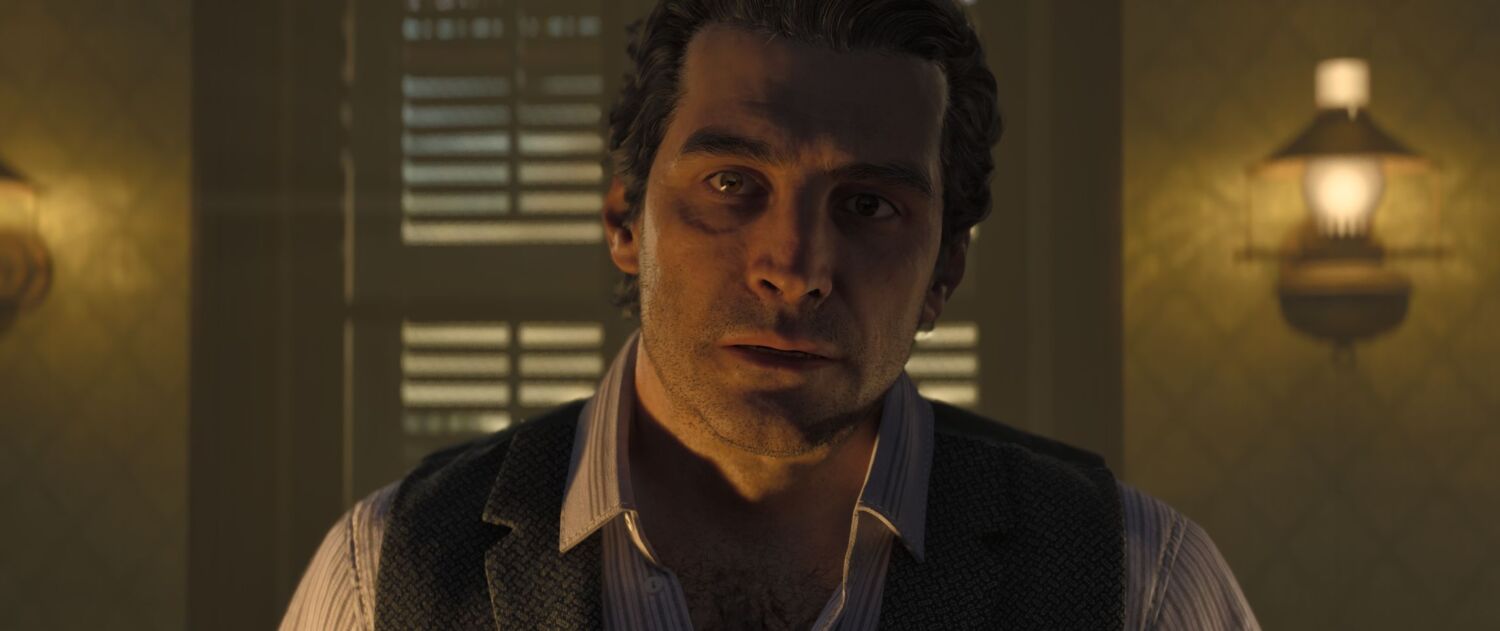
Mafia: The Old Country’s narrative is further supplemented by excellent voice work, owing to its strong cast including actors Riccardo Frascari (Enzo), Carina Conti (Isabella), Alberto Frezza (Luca), and Christian Antidormi (Cesare), each delivering their lines with just the right amount of Italian undertones without making it seem overly forced. Johnny Santiago, who voices Don Torrisi, is the clear standout here, lending a raspy, yet intimidating tone of voice to the character, similar to The Godfather’s (1972) Vito Corleone, effectively blending authority, kindness and even traces of instability in a single character, one befitting of a head of a crime family.
While its gameplay might not reach the same heights as its narrative, it does offer a serviceable loop that introduces a few unique ideas. Like the first two games in the franchise, the title is split into various chapters, signalling a different part of Enzo’s journey to become a part of the Torissi family, and the unfolding feud between them and the Spadaros.
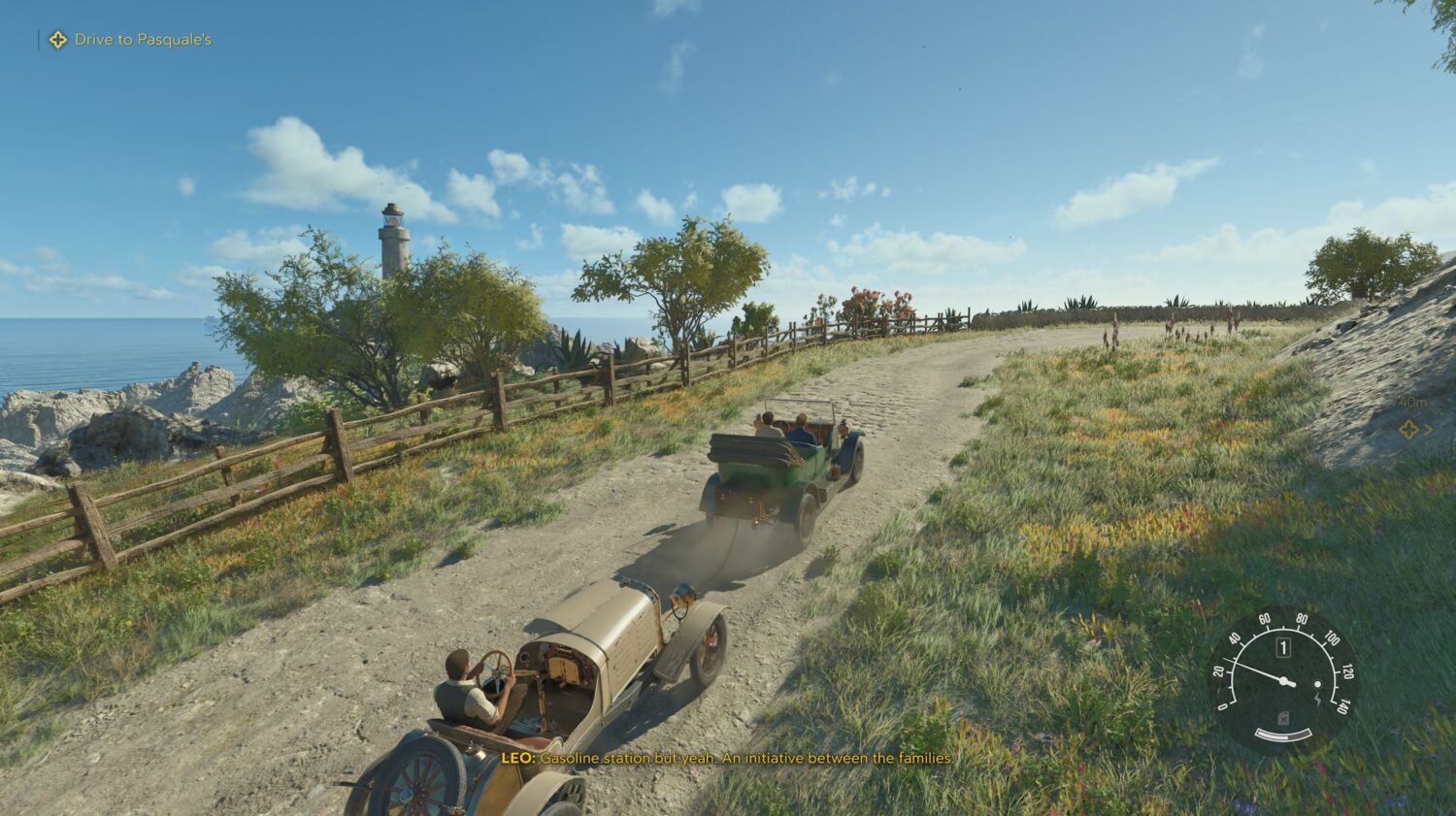
Each chapter largely falls into a familiar pattern, with Enzo tasked to perform a menial task or to speak with a particular individual, followed by a journey to a secondary location, usually culminating in either a stealth section or all-out combat. Driving has always been a large focus in Mafia games, and it’s no different here, with players now having access to both traditional period-accurate motor vehicles and the ability to ride on horseback.
Both options get the job done, although there’s not much to write home about, with optional settings for vehicles to toggle manual transmission or enable a more simulated driving experience, where cars accelerate, brake and turn in a more realistic manner, similar to how a car from the time would handle. Like past games, there’s also an option to skip certain drives entirely, letting players instantly travel straight to the action.
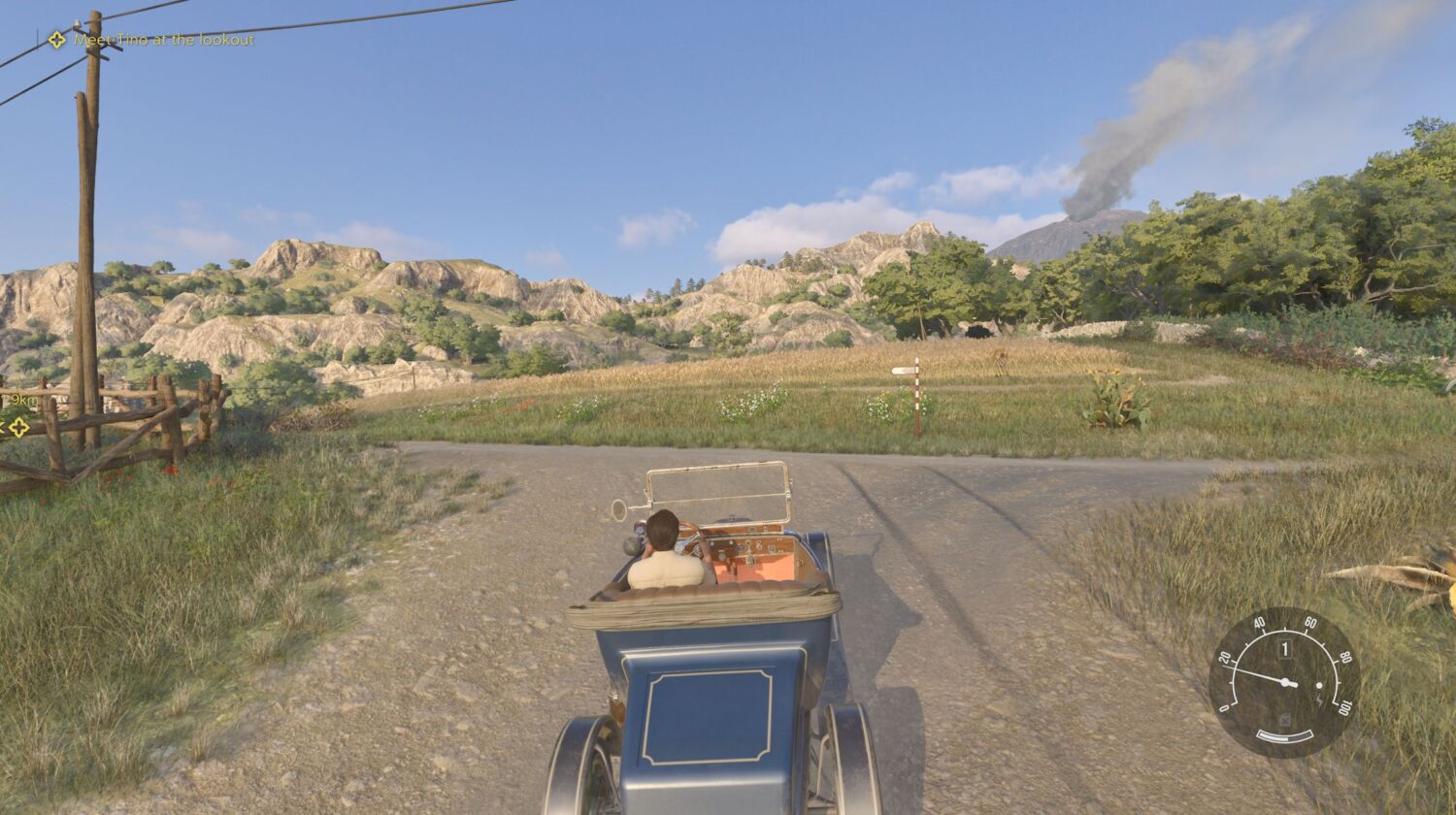
The notable mention here is surprisingly not related to the method of travel itself, but how the game handles navigation. Unlike most titles in the genre that either use minimap routes or GPS lines on roads to guide players to objectives, Mafia: The Old Country takes realism and immersion to another level, spawning signposts along certain roads to subtly guide players in the right direction. It’s a simple but game-changing method of navigation that allows players to properly take in the sights and sounds without their screens being filled with needless UI elements.
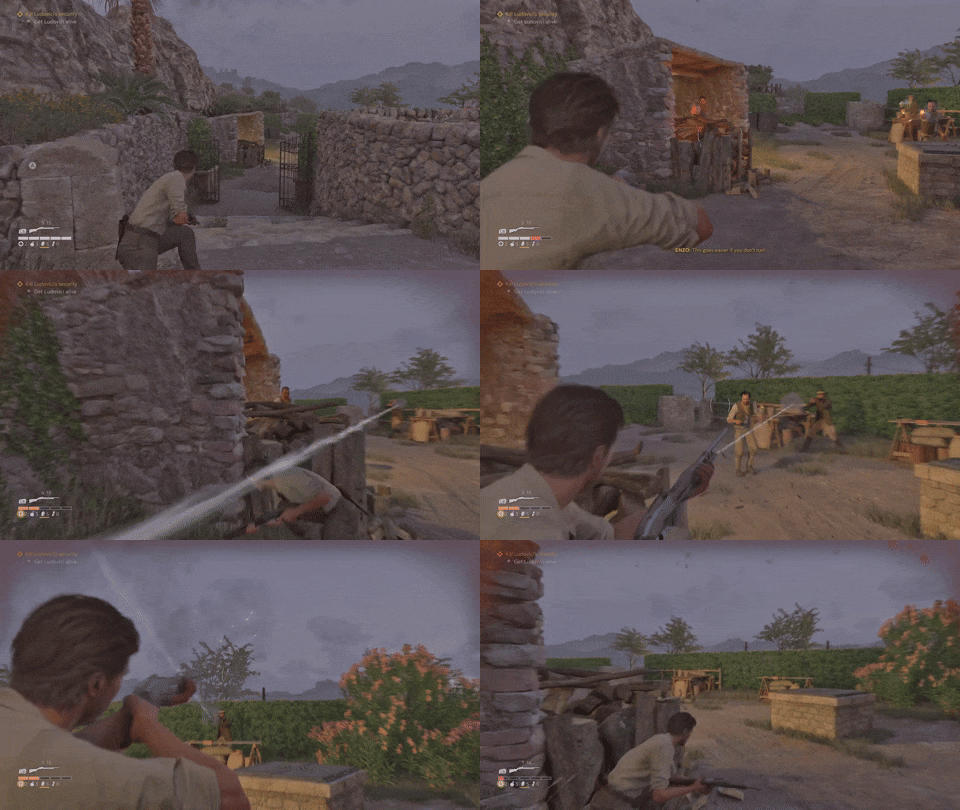
Once in combat encounters, players will usually have a choice between taking things stealthily or going in guns ablazing. Stealth mechanics are the standard affair here, boiling down to the usual observation of enemy routes before sneaking behind them for the kill, with Enzo also able to distract enemies to certain locations by throwing found objects, and picking up bodies to hide them in set locations.
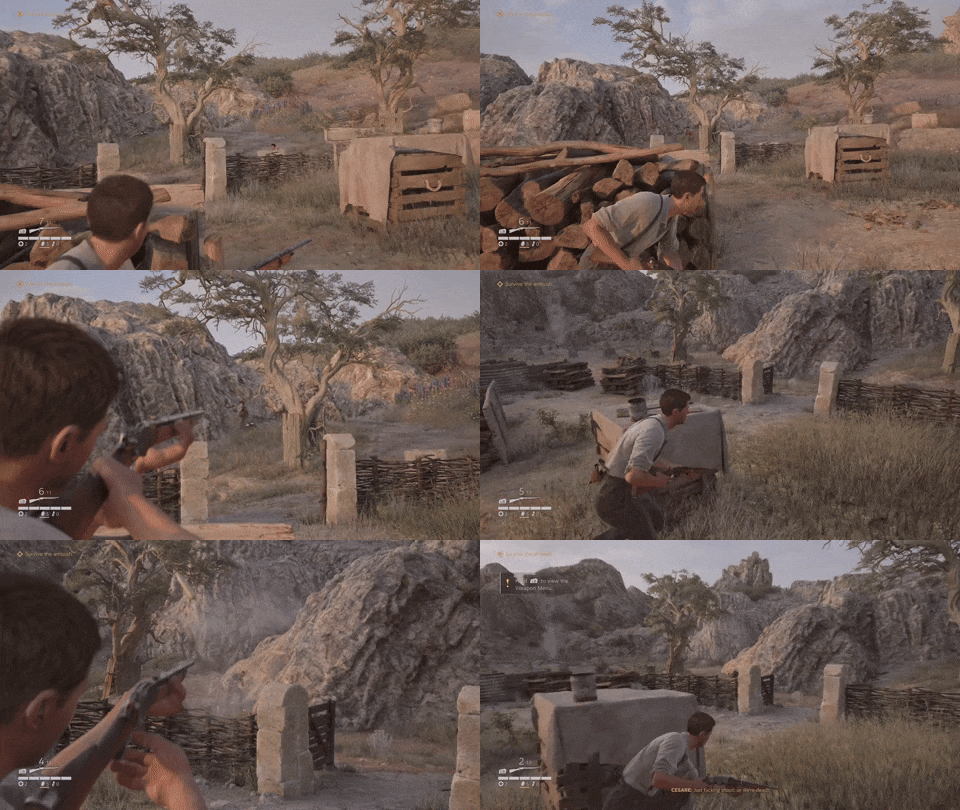
Gunfights are far more interesting in comparison, bringing back the series’ tried and true cover shooting formula. The biggest difference here is the weaponry on offer, as true to its time period and the inferior technology compared to modern times, firearms are entirely semi-automatic, ranging from repeaters to bolt-action rifles and pump-action shotguns. This change means that gunfights require more of a back-and-forth, with players encouraged to employ effective use of cover and timing their shots, as they can no longer just spray and pray like past titles with automatic weapons.
Weapons also have a satisfying kick to them, with just the right amount of recoil that ensures players will need to properly re-aim their follow-up shots. Gun stability and accuracy are also done well, with firearms needing to be aimed for a set amount of time in order to properly line up the reticle, further adding to the immersion of handling an old-timey rifle. Shotguns, in particular, are accurately presented and satisfying to use, as unlike modern shooters where they are completely ineffective outside of arm’s reach, they are much more capable during mid to close-range skirmishes here, true to how the weapon performs in real life.
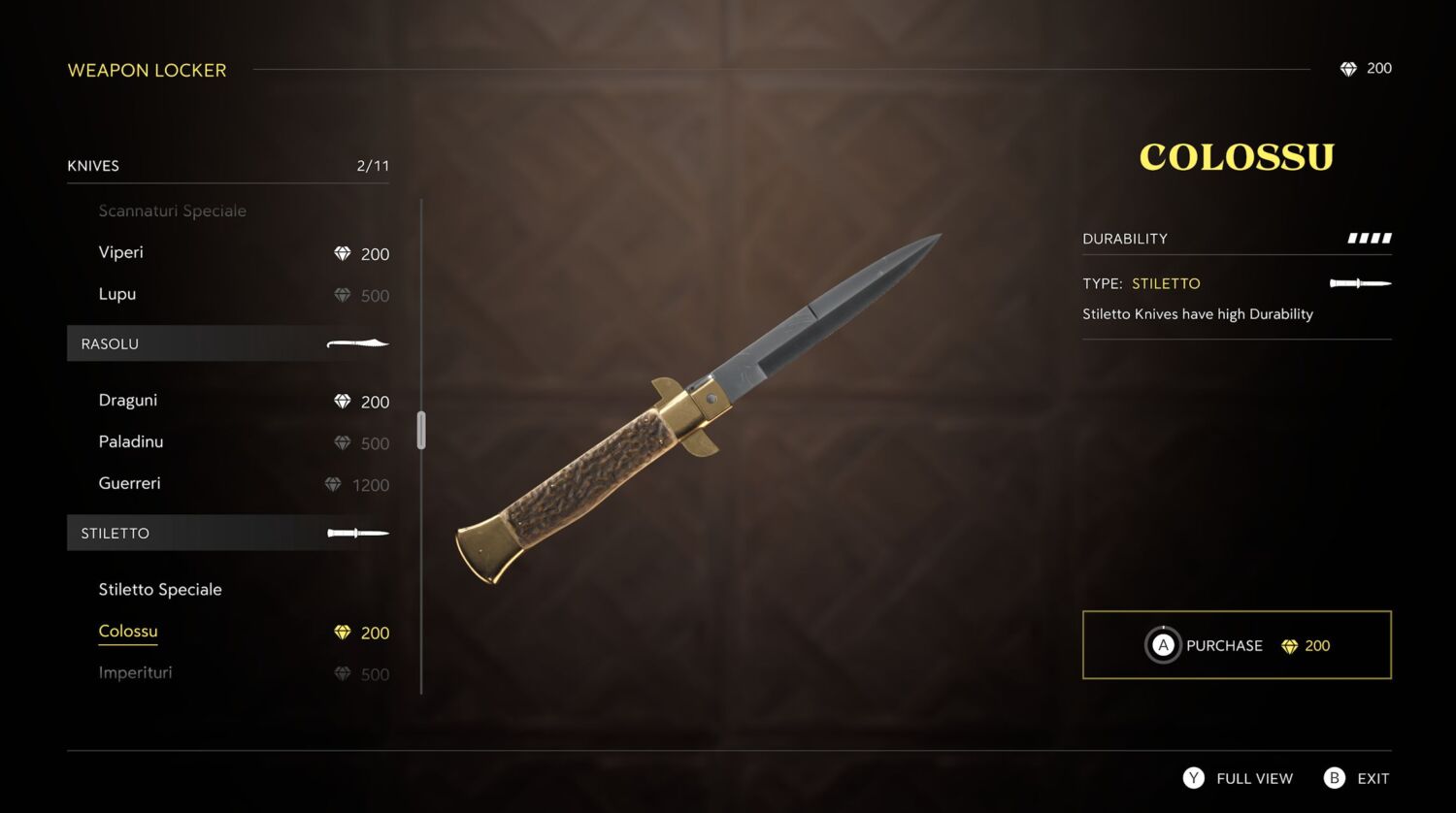
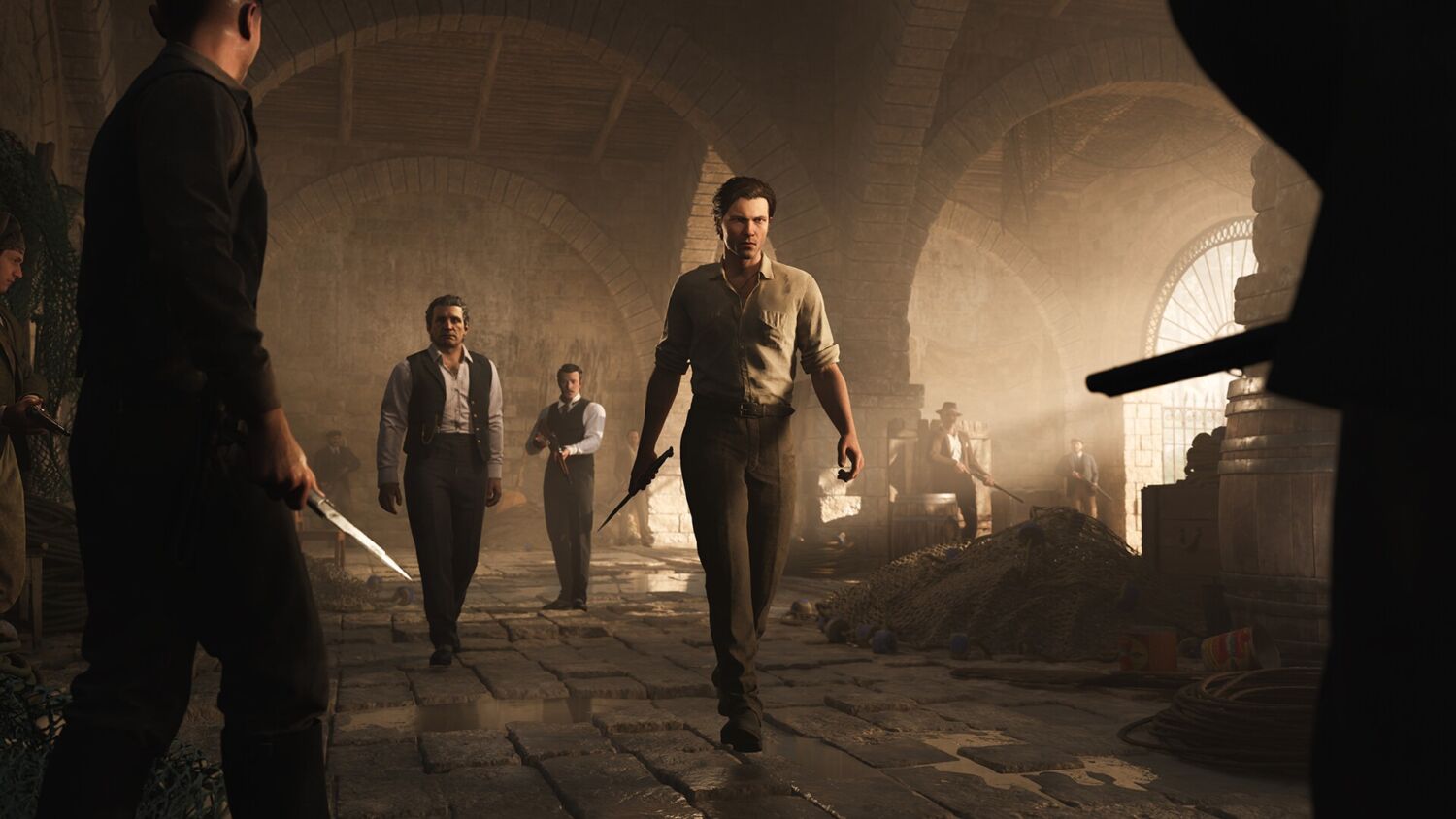
The biggest new addition to Mafia: The Old Country’s combat repertoire lies in Enzo’s switchblade, the up-close-and-personal tool of any effective Mafioso during the time period. Enzo can use his knife for both stealth and combat, dispatching foes quickly from behind or using it to break open lockboxes for additional currency, which can then be used to buy new firearms or better blades, with the latter split into three categories each with its own special abilities, with some able to be thrown from a distance, while others able to perform combat takedowns. All knives have a durability meter, however, and each special action performed drains a portion of it, with players having to find whetstones to sharpen their blades on the fly.
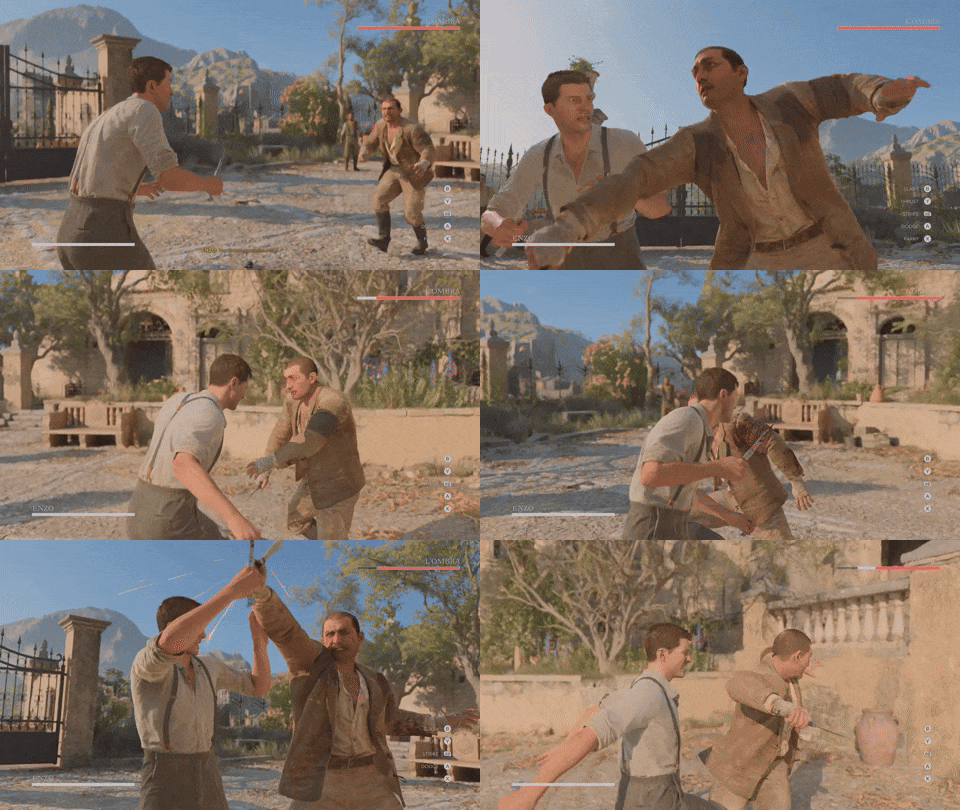
Apart from stealth, knives also play a central role in the game’s new duel system, one-on-one face-offs between Enzo and his foe. This system is designed as a dance, with players needing to observe an enemy’s movements and react accordingly, using proper timing to parry their blows or dodge away from unblockable strikes. The issue here, however, lies in the fact that this feature loses its novelty rather quickly after the initial few duels, as most confrontations between important foes end up becoming duels instead of shoot-outs. The game would have benefited from steadily adding new moves and tactics over time instead of introducing everything at one go, as this means all duels essentially play out the same way throughout the entire game with no meaningful sense of progression.
As a package, Mafia: The Old Country’s gameplay offers a satisfying enough loop despite some shortcomings, and serves to push its narrative along instead of being the star of the show. It also has to be noted that the game isn’t a true open-world adventure that many would undoubtedly mistake it to be, but rather follows the same structure of the first two games, providing a tightly woven linear 12-hour adventure that’s set in an open world. The game does provide an “Explorer Mode”, where players can freely roam its map, but don’t expect any form of side activities here other than collecting lore items and currency to buy new weapons, cars and horses, and of course, the opportunity to truly take in the sights of Sicily at one’s own pace.
And Mafia: The Old Country’s rendition of 1900s Sicily is quite a sight to behold, and marks a stark contrast to all the games that came before. Gone are the concrete jungles of Empire Bay and New Bordeaux, replaced by the literal jungles of the Sicilian countryside, presenting players with an awe-inspiring landscape that stretches almost as far as the eye can see, only broken by the occasional run-down villa or church.
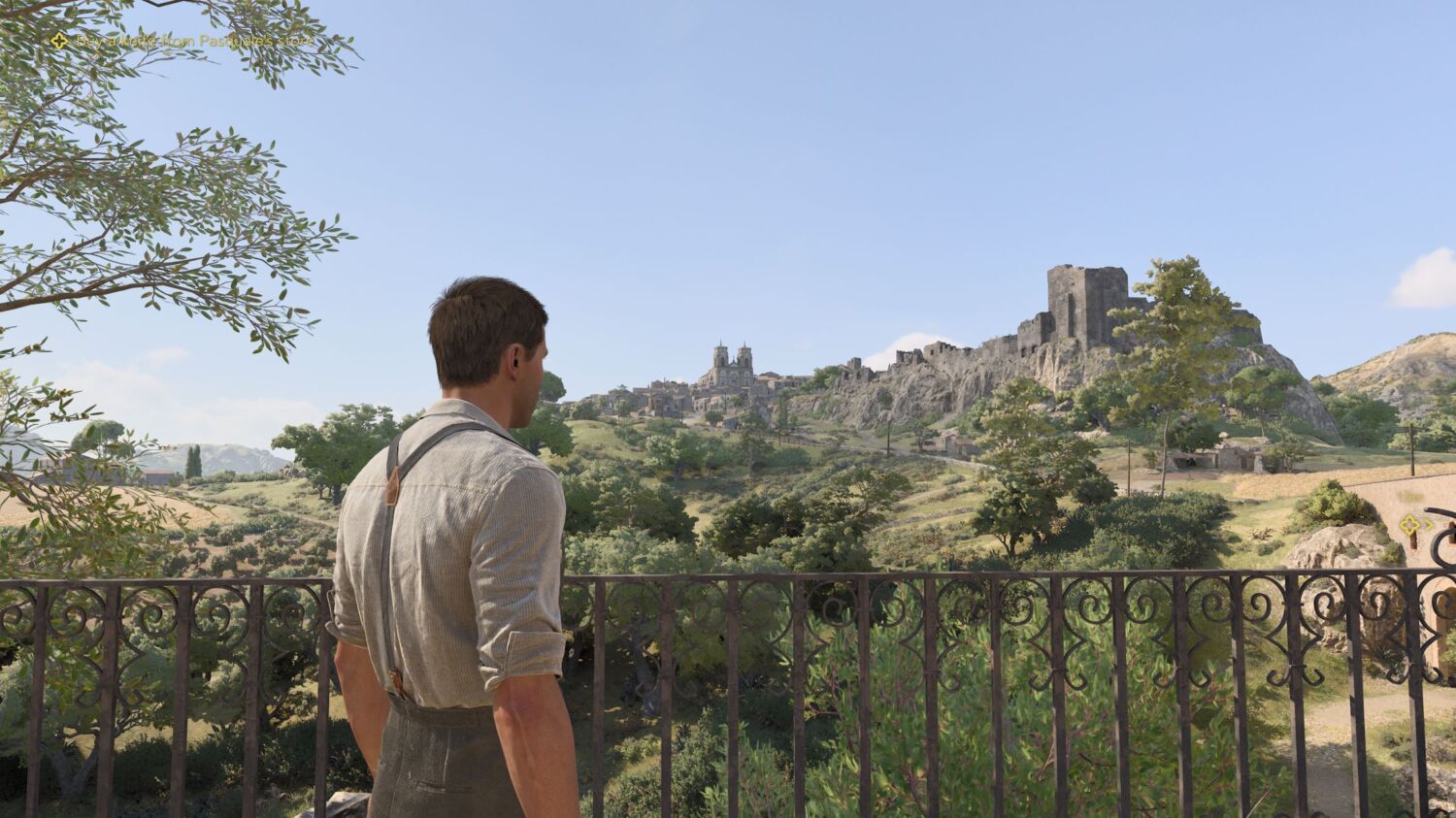
The emphasis on flora helps to give the game a more vibrant feel compared to its predecessors, and makes it easy to get lost in the sights along the journey, often having the amusing unintended consequence of going off the track of the game’s narrow, poorly-paved gravel roads or smashing headfirst into a tree. On the downside, however, its lack of structural diversity means that areas tend to feel samey after a while, with every forest and concrete bridge being practically the same as another, offering not much in terms of notable landmarks other than a select few larger cities spread across the map.
Still, there’s something therapeutic about escaping the hustle and bustle seen in past Mafia titles, and riding a horse or chugging along in an old-fashioned motor vehicle surrounded by nature felt much more satisfying than navigating busy streets, to the point where drives were never a chore, or simply a way to get from one point to another, but a meaningful way to get immersed in the time period and appreciate the beauty of the countryside.
Mafia: The Old Country might not completely change the game for the crime adventure genre, but it does something arguably better: it recaptures the magic of past titles in the franchise and proves that, despite a rocky start, Hangar 13 are more than capable of taking over the reins of the series while paying respects to the games that came before. This is a Mafia game, through and through, as although it might stick a little too closely to the original game’s narrative structure and introduce gameplay elements that look impressive but feel underbaked, Enzo’s journey is one that shouldn’t be missed, and his name would no doubt be remembered in franchise history as fondly as Angelo and Scaletta.
GEEK REVIEW SCORE
Summary
Despite some missed opportunities in terms of gameplay, Mafia: The Old Country revitalises the franchise with its familiar yet engaging narrative that’s one for the history books.
Overall
8.4/10-
Gameplay - 7.5/10
7.5/10
-
Story - 9/10
9/10
-
Presentation - 8.5/10
8.5/10
-
Value - 8.5/10
8.5/10
-
Geek Satisfaction - 8.5/10
8.5/10

Kevin is a reformed PC Master Race gamer with a penchant for franchise “duds” like Darksiders III and Dead Space 3. He has made it his life-long mission to play every single major game release – lest his wallet dies trying.