
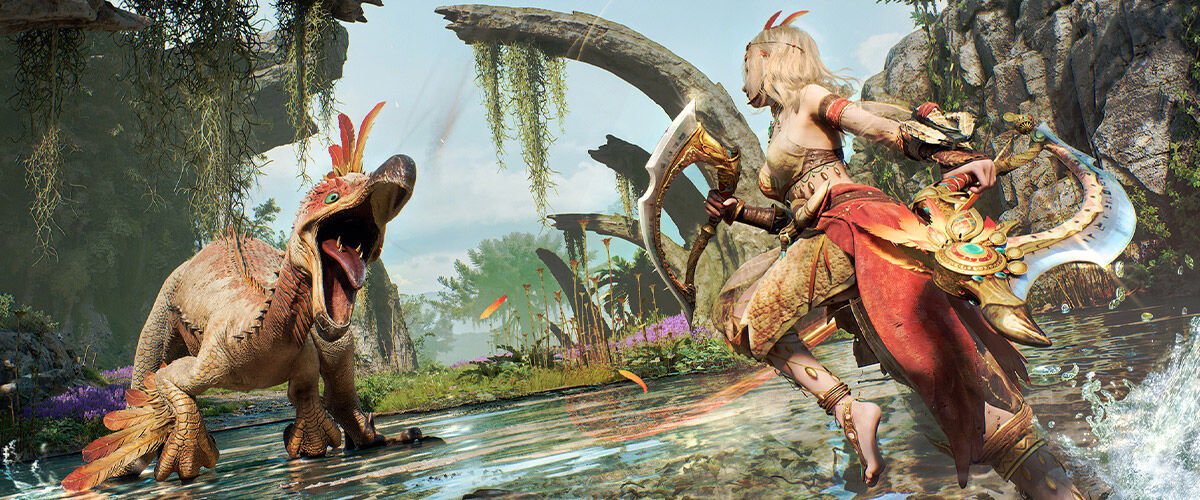
Monster Hunter’s legacy of epic battles, imaginative worlds, and cooperative gameplay is set to take a new leap with the upcoming installment, Monster Hunter Outlanders, promising a fresh franchise experience to iOS and Android devices.
And in adapting the game for mobile users, the team discovered that the biggest challenge was in fact, the smaller screens, explains Dong Huang, the game’s producer from Tencent’s TiMi Studio Group, in an exclusive interview with Geek Culture and several other press from Southeast Asia during Tokyo Game Show 2025.
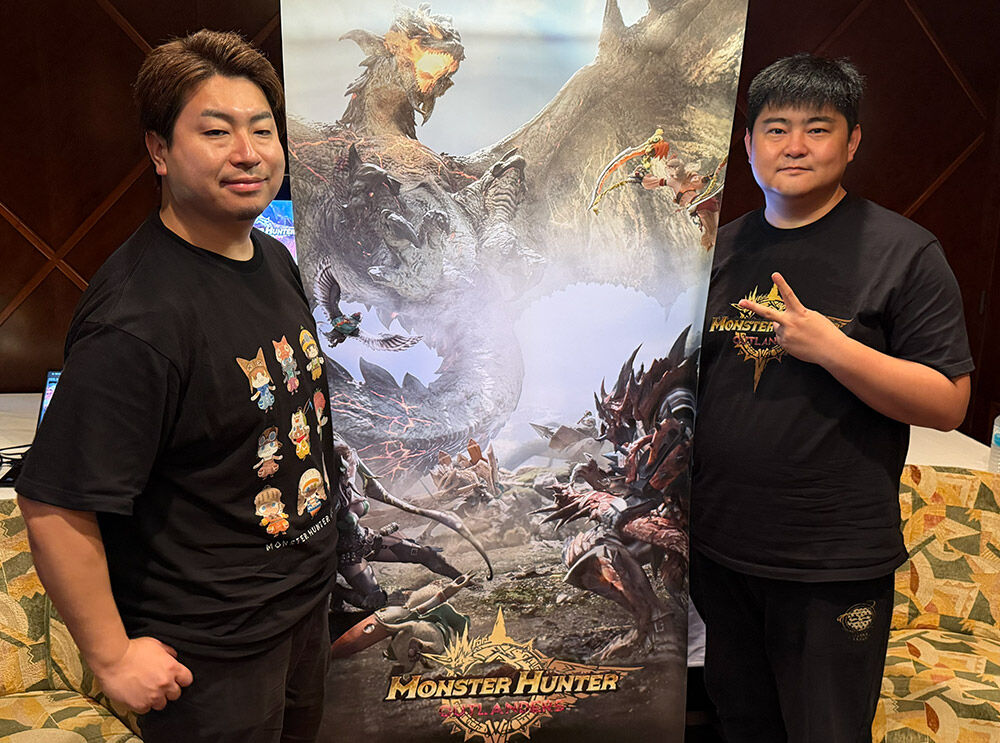
“The most difficult part was adapting the controls and UI for smartphones,” Huang admits. The team at China-based TiMi Studio Group has had a lot of experience creating action games for smartphones in the past, so applying their expertise and innovation on Monster Hunter Outlanders was a top priority, in translating the franchise’s iconic experience into a mobile user interface that not only works well but also streamlined some key mechanics for mobile play.
“We’ve done away with the action of polishing weapons, but sharpness still remains as a strategic element.”
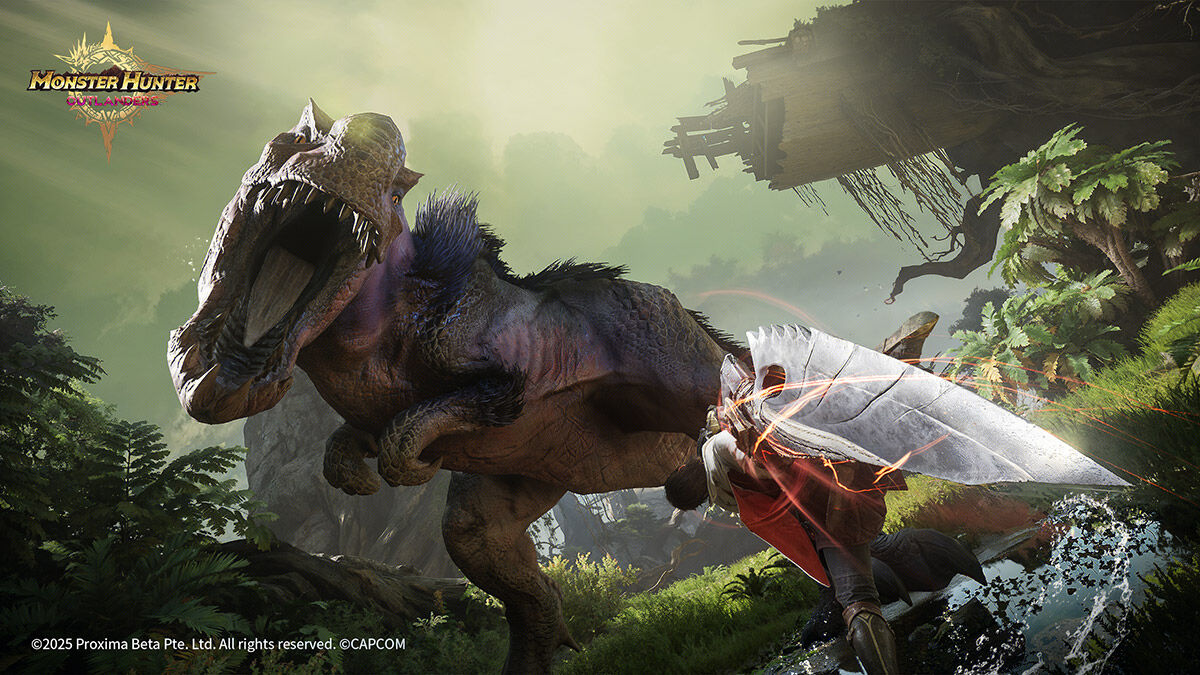
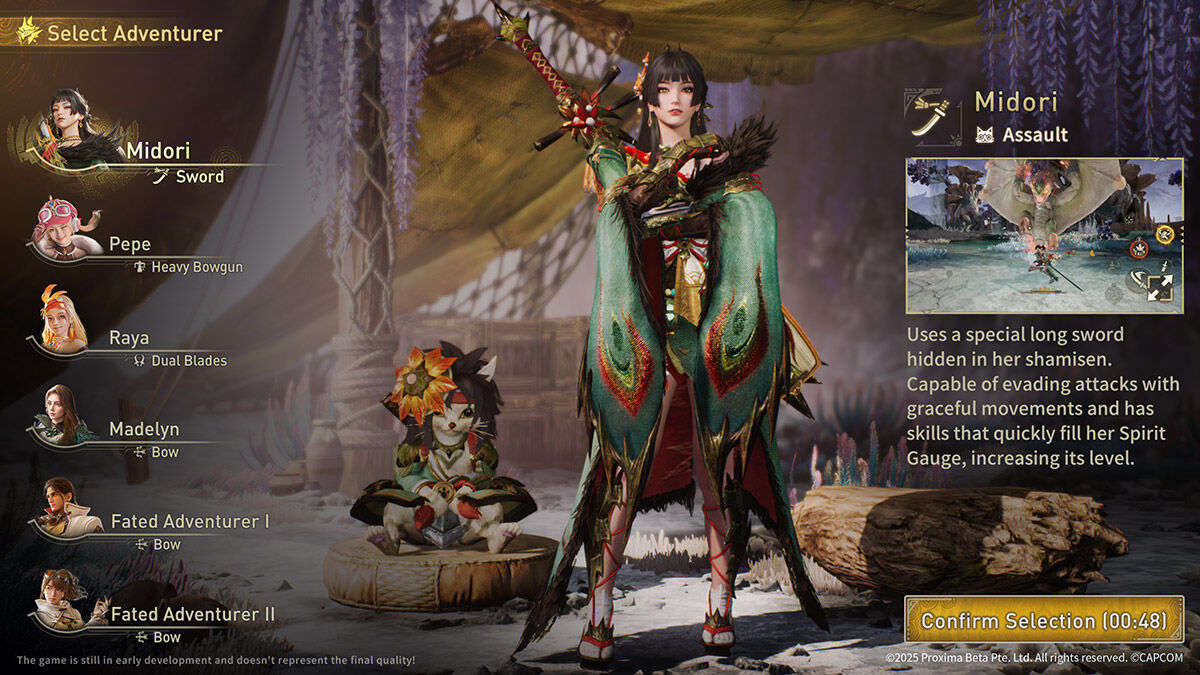
Monster Hunter Outlanders introduces streamlined controls that allow familiar actions to be executed with a single button press, preserving the franchise’s signature excitement while offering a fresh gameplay experience. Players take on the role of “Adventurers”, which comprises diverse characters from around the globe, each equipped with unique skills tailored for exploring uncharted ecosystems. These abilities bring strategic advantages to hunts, enhancing both combat and exploration.
Every Adventurer is also joined by a companion, either the beloved Palico or new game-exclusive buddies, Rutaco and Trillan. Each buddy features distinct traits, appearances, and skill sets, and can be trained to become even more dependable allies in the field.
Set in the dynamic world of Aesoland, the game spans multiple regions defined by varying terrain and weather conditions. Through crafting and exploration, players can uncover rare items and vital clues that propel their quests forward. Aesoland also introduces the formidable “Radiant Species,” monsters transformed by the island’s mysterious mineral, Radiantite. These creatures exhibit heightened aggression and enhanced abilities, turning every encounter into a fierce and unpredictable battle.
And to think that all of these game enhancements and changes were borne from wanting the franchise, known for its niche gameplay formats, to reach a wider audience, notes Capcom producer Genki Sunano during the same interview.
“TiMi Studio gave us a proposal that it would be very interesting to create a mobile version of Monster Hunter,” Sunano-san explains and the team recognised an opportunity to reach a broader audience.
“Making this mobile version of Monster Hunter would allow more people to have access to these games and if we accept this proposal, it would enable us to broaden our reach in Asia and around the world.”
Monster Hunter Outlanders introduces new crafting and survival elements, a first for the series. “They gave a proposal that they will be including the craft elements and also the survival elements within the Monster Hunter world that we already have. And we thought that that would be a very interesting premise,” says Sunano-san.
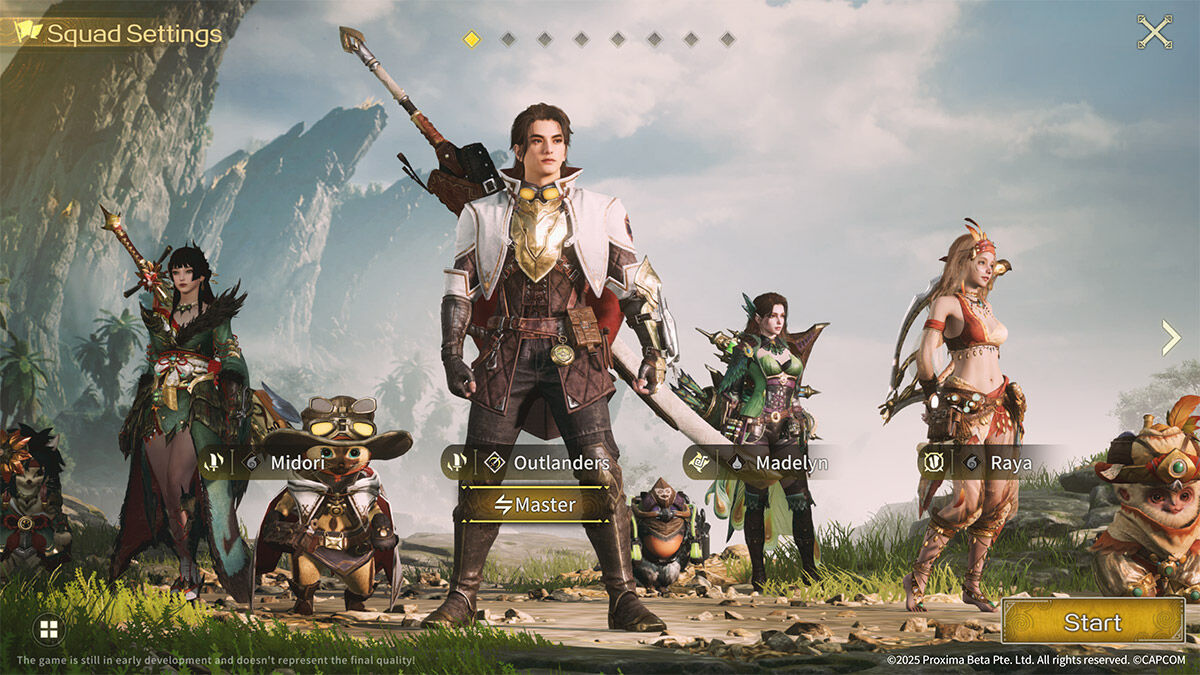
Effectively, these features are designed to enhance both exploration and combat. “The game will enable players to move around freely to collect all the materials to build and customise their own houses,” Sunano-san adds.
Players stepping into the game will discover features designed to streamline traditional hunting, including diverse crafting systems and adaptive survival mechanics. “If you’ve played the demo at the Tokyo Game Show, you’ll notice many features that allow players to move freely and collect materials easily. There are catapults to shoot arrows, and other tools that help build fences. These craft elements make traditional hunting more interesting,” says Huang.
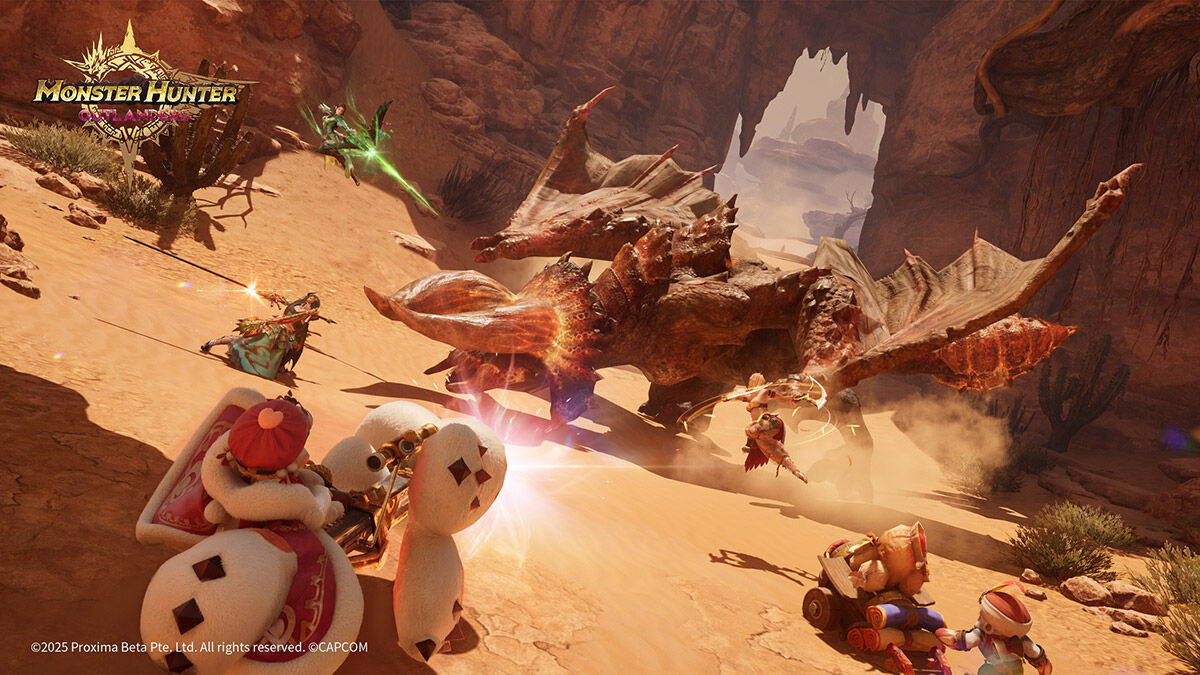
Despite these new features, the developers are committed to preserving the core Monster Hunter experience. “We are maintaining the important values that have been in the traditional Monster Hunter games, so I believe that the core Monster Hunter fans can also enjoy,” says Sunano-san.
One thing that fans might dislike, but is making its way to the game, is in-game monetisation that the team is still developing. “The monetisation will come into play during the character customisation experience, on a very basic level, to improve the players’ gaming experience. But we still haven’t decided on what kind of a business model we will be adopting. There will be a series of tests before the formal launch,” Huang reveals.
Looking ahead, the developers are planning seasonal updates and new weapon types, but the game is expected to launch with the usual 14 weapon types synonymous with the franchise.
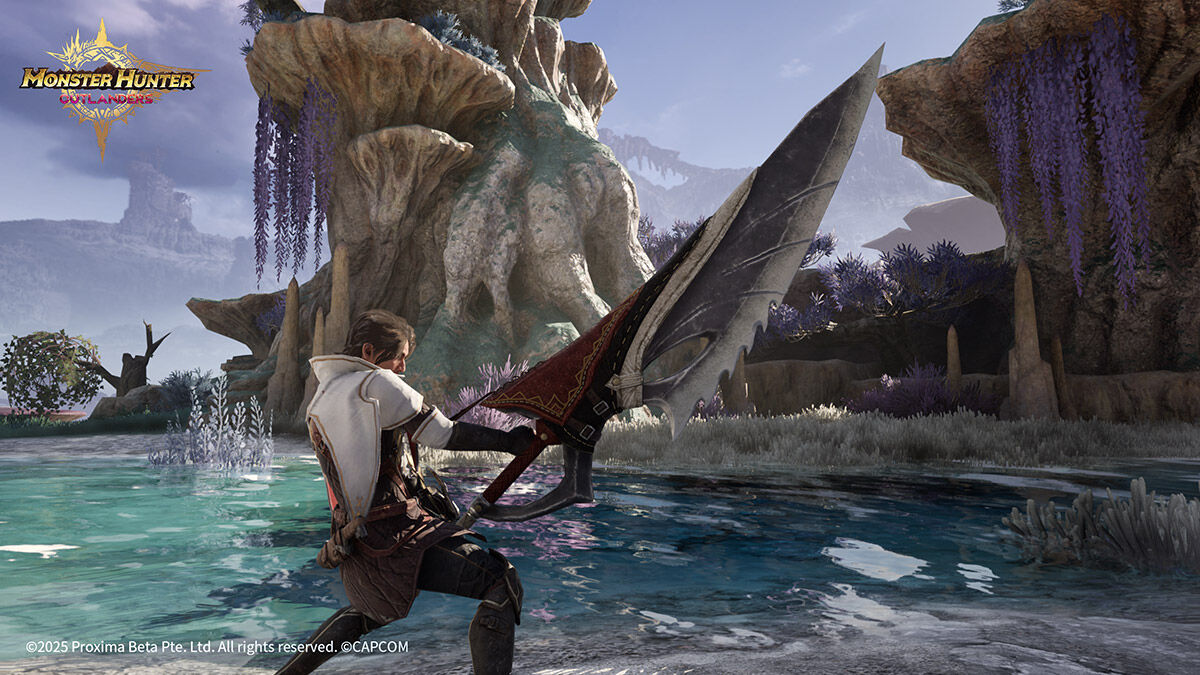
As Monster Hunter Outlanders prepares for launch, the team is eager to welcome both longtime fans and newcomers, to provide feedback to help shape and improve the game and TiMi Studio Group is inviting players to a Closed Beta test for the game to help them fine-tune the game’s systems, balance and server performance. Registration for the Closed Beta is open from now till 7 November, and the test is expected to start sometime from mid-November onwards. Find out more about the mobile device requirements and FAQs on the Monster Hunter Outlanders website.

Yonk is a geek who is fortunate enough to have an equally geeky Star Wars fan for a wife, who owns a LEGO Millennium Falcon encased in a glass coffee table as their home’s centre-piece.
 Si Jia
 Kevin Low