

The tech scene is no stranger to the numbers race. Even as artificial intelligence (AI) continues to gain steam, it’s still back to the basics with hardware, with more powerful cameras, faster processors, and sturdier builds, all mapped out in math figures that, in general, translate to “the bigger, the better.”
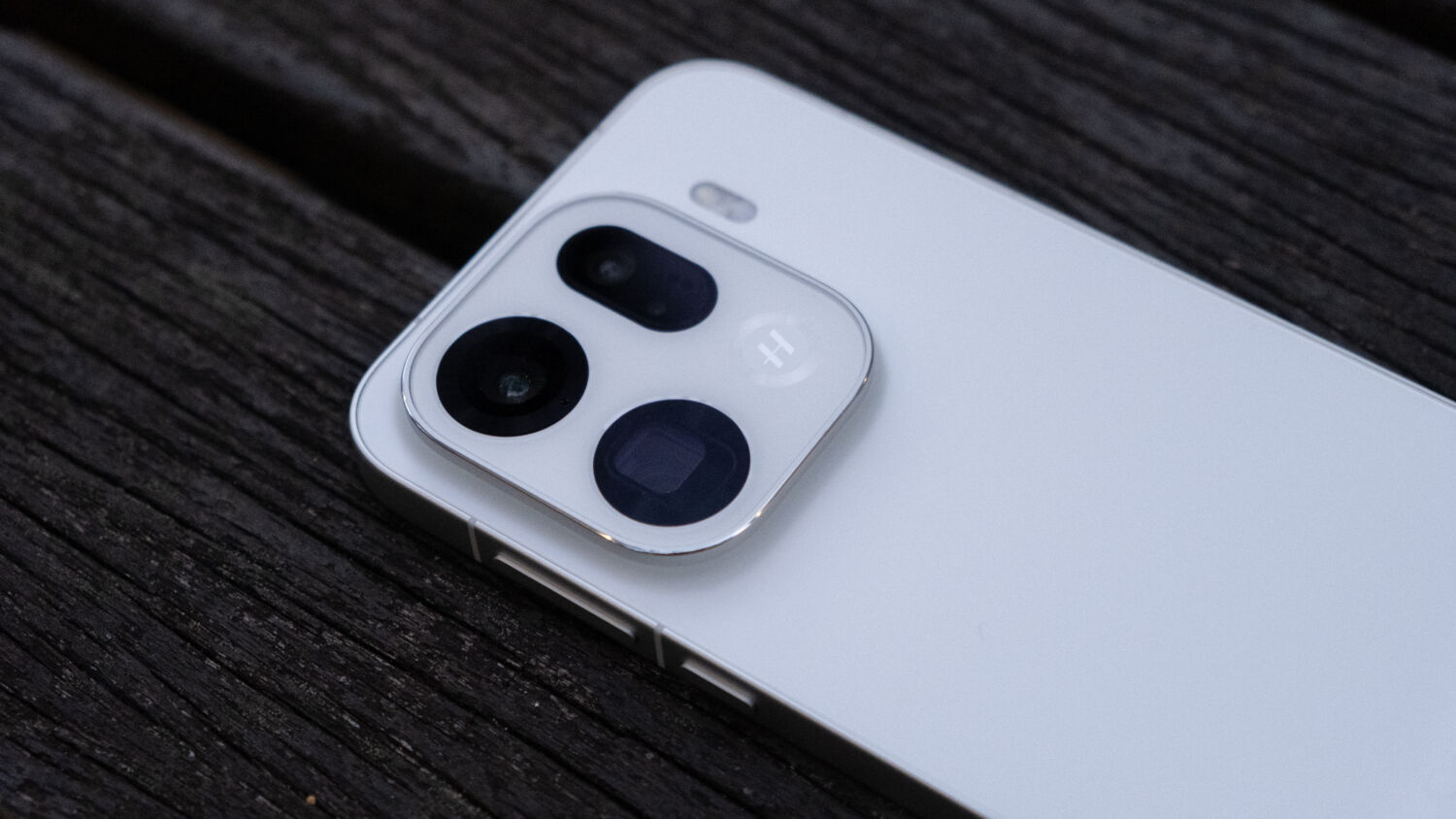
OPPO’s latest flagship smartphone, the Find X9 Pro, adopts the approach, touting a whopping 200-megapixel (MP) telephoto shooter that builds on its existing Hasselblad-branded imaging prowess. It’s not just for show, though, cementing the device as one of the best mobile cameras on the current market that, alongside an upgraded chip, covers all bases for day-to-day use. Parts of its design identity are lost due to a certain fruity inspiration, and gaming performance can be inconsistent in more demanding titles, but there’s little else to grouse about and plenty to love.
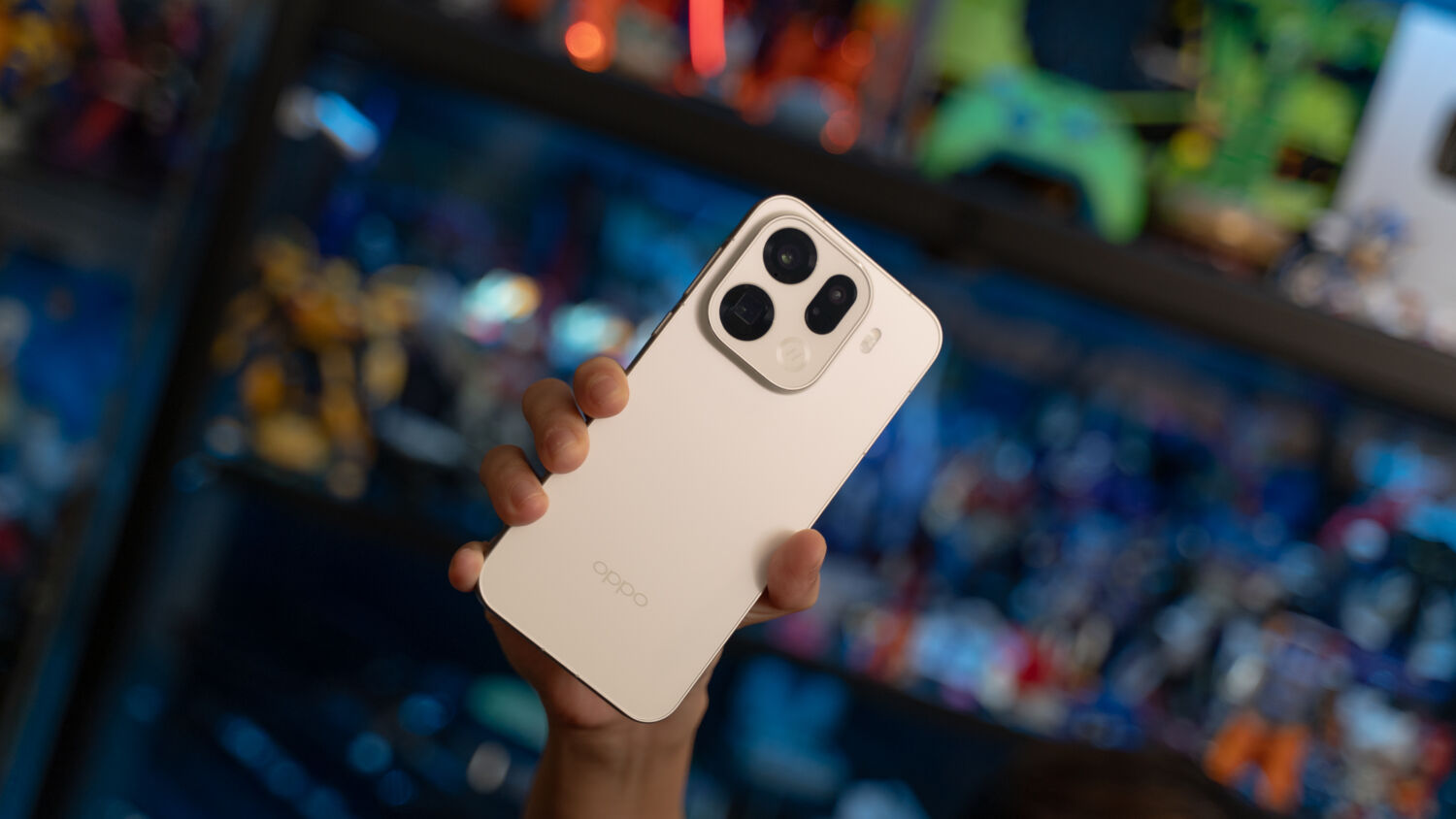
Coming from its predecessor, the most prominent change is the look. Gone is the distinctive circular cutout on the rear, and in its place a pill-shaped module and two round ones, housed within a squarish block. It also comes in two colours: Silk White and Titanium Charcoal, with the former adding an elegant shimmer to the body, and the satin-like surface proving effective at keeping fingerprints at bay. The aesthetic tweak is a bit of a mixed bag, as while the previous back design may not be everyone’s cup of tea, switching it up entirely chips away at the Find X personality, resulting in a more generic finish.
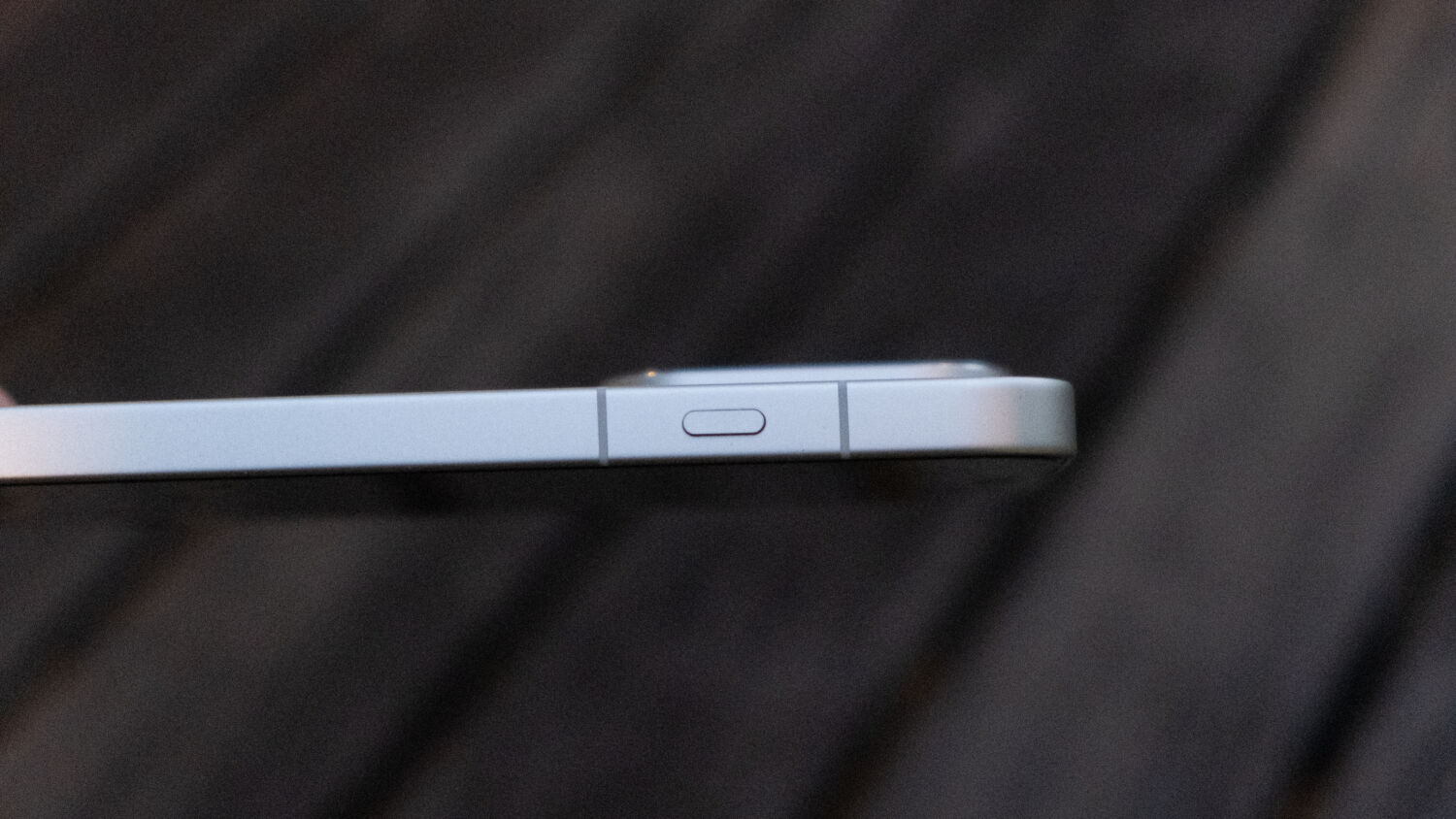
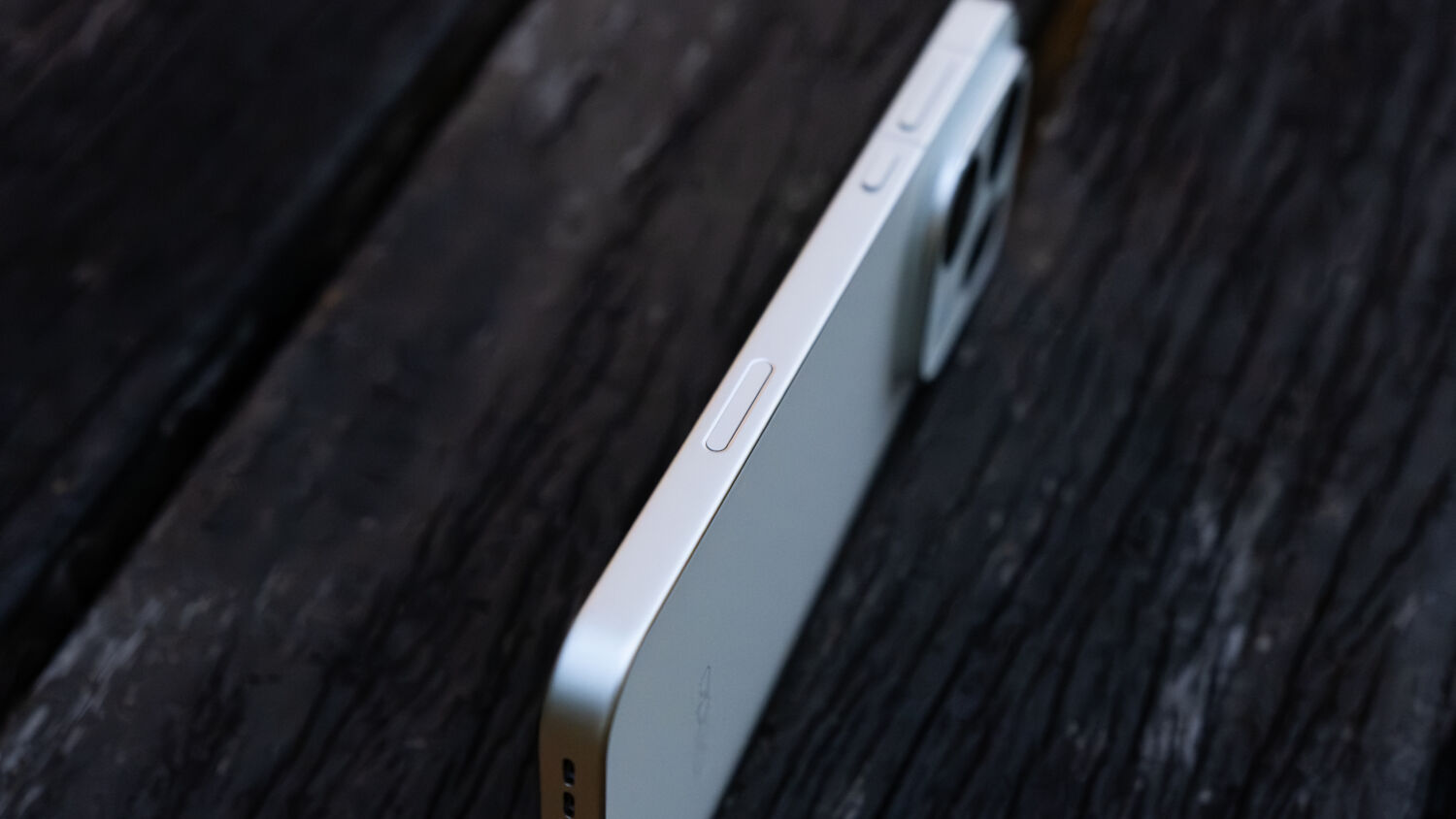
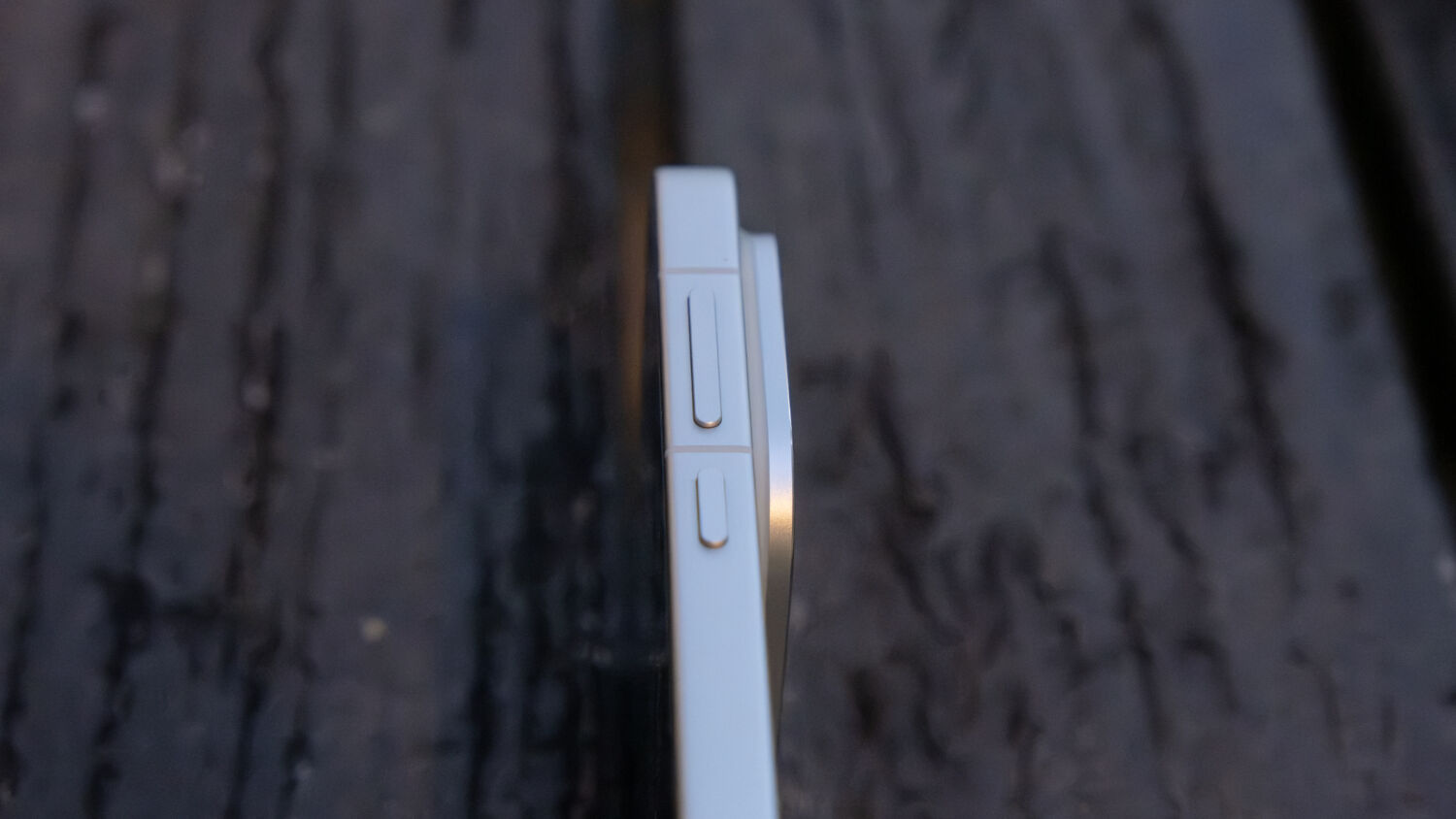
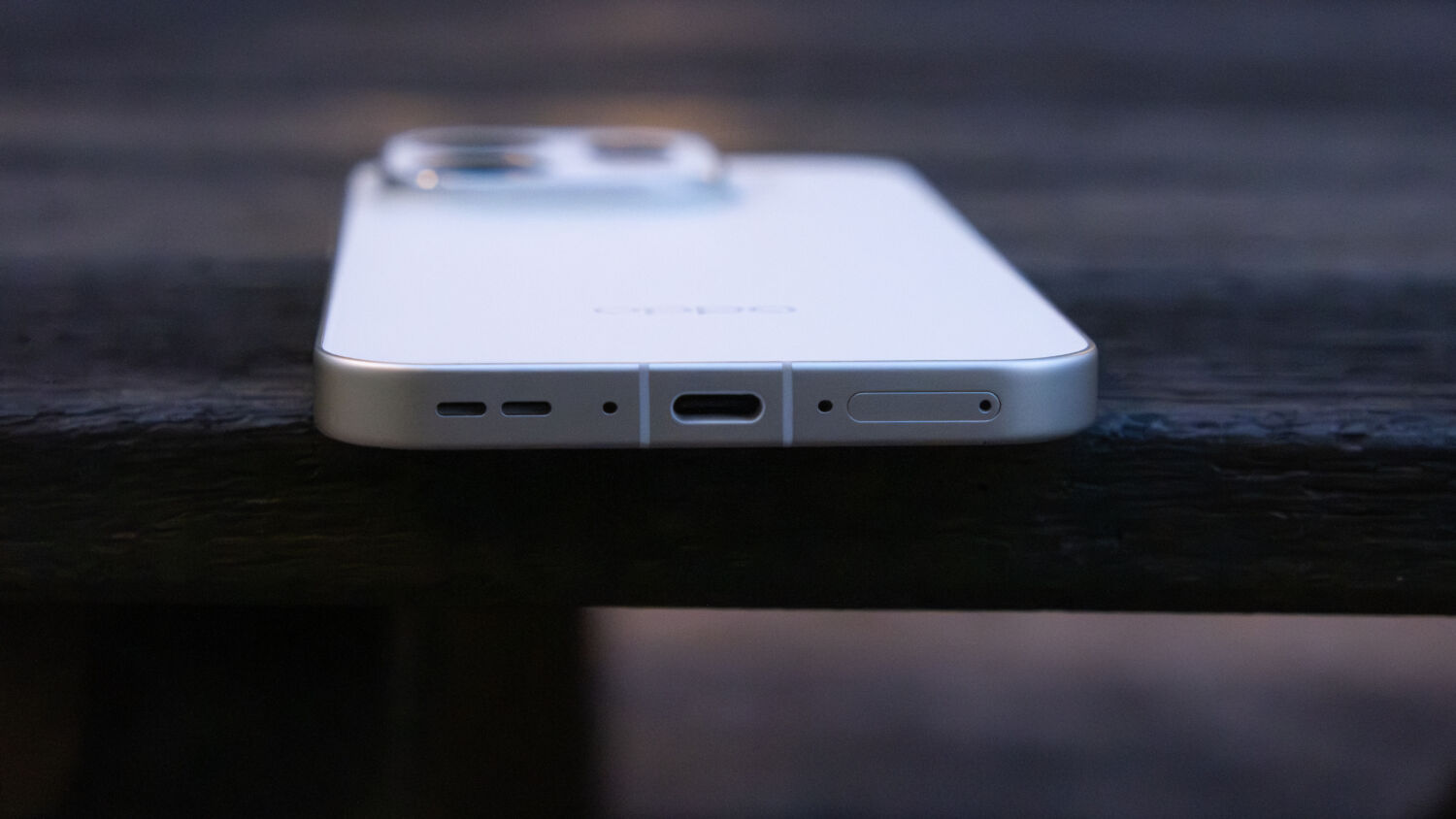
On the sides are two new buttons that would be familiar to Apple users. The Snap Key, replacing the old ringer switch, sits on the left edge and can be programmed to quick-launch apps or perform certain actions, accompanied by a dedicated, right-aligned Quick Button that offers a shortcut to the Camera app. Double-tapping brings it up, after which the button turns into a shutter and zoom dial. The influence of its Western counterpart is hardly subtle, but the additional usefulness has its place, especially since the Quick Button feels more intuitive and responsive to control.
All of that, including a USB-C port, a volume rocker, and the power button, is packed into a similar chassis to before. Measuring 161.26 x 76.46 x 8.25mm (versus 162.27 x 76.67 x 8.24mm), the OPPO Find X9 Pro is slightly heavier at 224 grams, with the lack of flex under applied force serving as a testament to its solid physical build. Water and dust resistance is also a step up from the IP68 industry standard, now rated IP69 for improved protection against submersion and high-pressure water jets from any angle.
Likewise, there are minimal changes to the 6.78-inch FHD+ AMOLED display (2,772 x 1,272 pixels), which retains support for a 120Hz refresh rate and a pixel density of 450 PPI. Peak brightness has dropped from 4,500 nits to 3,600 nits – still bright enough for outdoor use, even in sunny Singapore – on the latest Corning Gorilla Glass Victus 2, designed for toughened durability.
The screen works no differently from what users would expect, delivering deep blacks and natural, lively colours across all sorts of viewing content, as well as sharp detail and fluid visuals in high-motion scenes. Parked underneath is a 3D ultrasonic fingerprint scanner that proves snappy and reliable at unlocking, wet and oily fingers notwithstanding.
Unlike most of its Android brethren and following family tradition, the OPPO Find X9 Pro swaps out the more widely used Snapdragon 8 Series chipset for the MediaTek Dimensity 9500, pairing it with a Mali Drage MC12 GPU. In theory, it boasts beefy power rivalling other top dogs, excelling particularly in the single-core segment (that’s to say, strong single-app performance), demonstrated through seamless user interface (UI) and app navigation.
Gaming capabilities are equally impressive, if slightly more inconsistent. The device runs various titles smoothly, showing little to no signs of stutter or lag for the most part, but particle-heavy set pieces, such as when certain characters trigger their animated Ultimate ability sequences in Honkai: Star Rail, reveal some evident frame rate drops. It bounces back quickly enough, though, with above-average graphical fidelity at standard settings, softening the hit. Due to the heavier weight, fatigue may set in earlier than expected during extended gaming sessions.
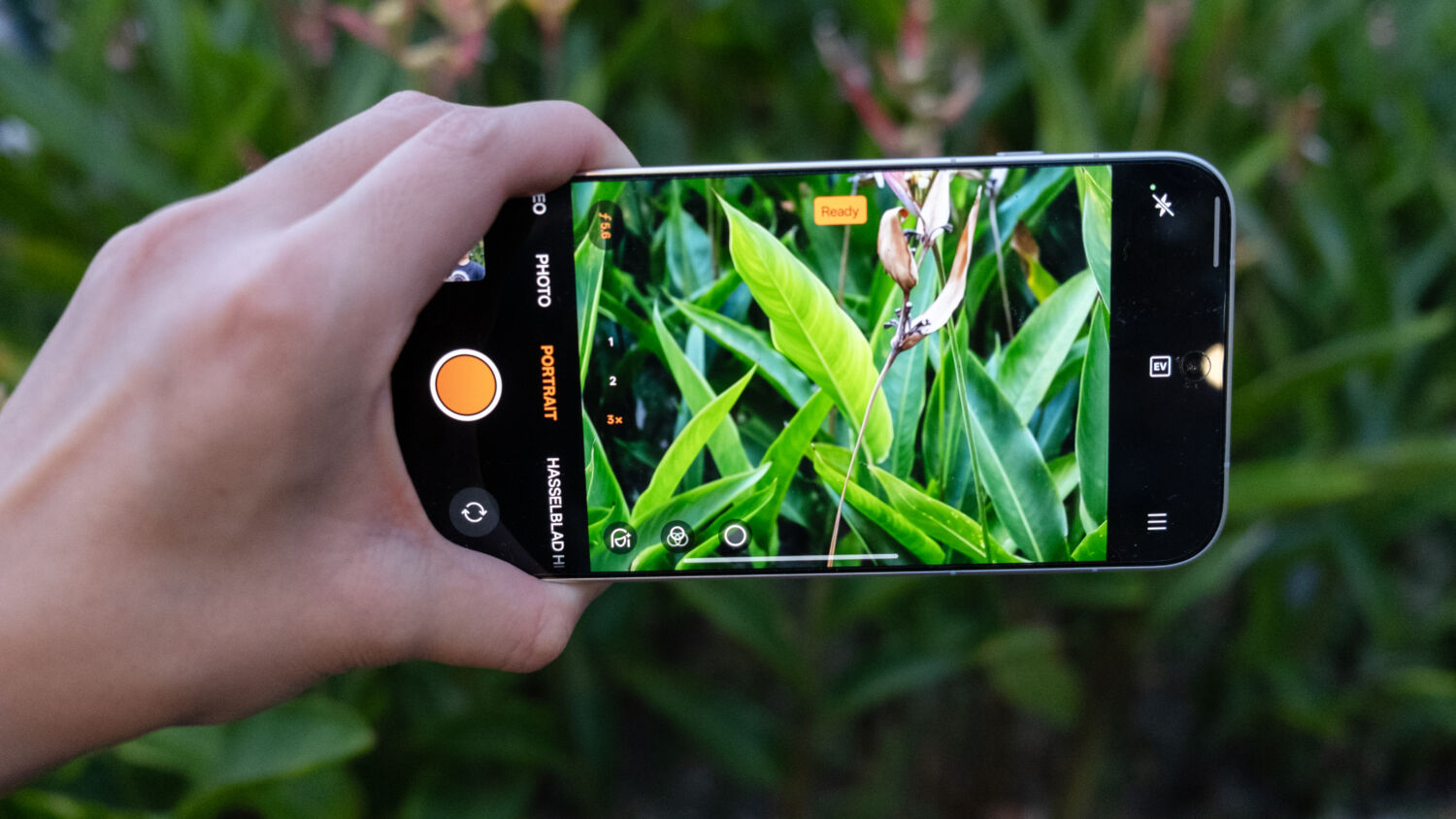
In terms of the operating system, the OPPO Find X9 Pro comes outfitted with the company’s ColorOS 16.0 on top of Android 16, and it’s nothing new for existing Android users. There are a couple of touch-ups to aesthetic elements like the pop-up animation and fonts, while the persistent issue of bloated pre-installed apps, as well as their cluttered default layout, remains.
Mobile photography is where the fun (and its expertise) lies. Alongside two 50MP cameras (main and ultrawide) on the rear, a 200MP 3X telephoto shooter – established earlier as the headliner – turns the OPPO Find X9 Pro into an imaging powerhouse for the regular Joe, especially in the zoom department. Armed with a 1/1.56-inch sensor, the main camera produces crisp, punchy images and balanced exposure in natural lighting, without the oversaturated tint that some of the competition offer.




As with most smartphone cameras, there are instances of over-sharpening or excessive digital processing, most prominently seen in high dynamic range (HDR) shots – framing a Mulan performer during the character parade at Disneyland Shanghai against the bright sky, for instance, brought the contrast up to unnatural levels. Otherwise, the main snapper is a beast, retaining detail and a good balance of shadows and highlights in low light. Noise and flare aren’t a concern, either.





Switching over to the ultrawide camera, performance is nearly identical and nothing short of competent, although the slight loss of detail and the occasional excessive digital processing knock it down a peg. Naturally, the upgraded 200MP telephoto snapper steals the show with welcome versatility, allowing for a seamless transition between wide snaps and close-ups without sacrificing quality, thanks to support for native 50MP capture at 6X and lossless zoom at up to 13.2X.








What this translates to are beautiful, detailed portraits with soft, natural bokeh and natural-looking colours, even when shot from a fair distance away. Keeping the subject within 10X zoom is ideal, as the AI-powered image recovery and upscaling capabilities beyond that eliminate a fair amount of detail from the original. For those seeking stronger camera chops, an optional Hasselblad-engineered teleconverter lens offers up to 40X zoom, proving handy for street, wildlife, and sports photography at the cost of being less pocket-friendly.




The front camera is decent, and existing photography features, such as XPAN mode, which captures ultra-wide panoramic photos with a 65:24 aspect ratio to recreate the experience of the classic Hasselblad XPan camera, and light painting, allow for creative experimentation and shooting.





Battery life also sees a bump, and a significant one to boot. The OPPO Find X9 Pro packs a substantial 7,500mAh battery, up from 5,910mAh previously, that can last for two days on a single charge. It’s a ballpark, on-paper figure, but real-world testing indicated fairly accurate results, with intensive mixed use – watching videos, browsing social media, gaming, and replying to chats on the highest brightness, and with always-on display enabled – clocking a 10 to 12 percent drop after an hour. Of course, mileage will vary across individuals, but a full day of use can easily be achieved (and more for lighter workloads).
Should the device run out of juice, support for 80-watt fast charging gets it up to speed in under an hour, with 50W wireless charging and 10W reverse wireless charging for power sharing, serving as alternatives.
Other notable capabilities come from ColorOS 16.0, including a new Dynamic Island-adjacent feature and existing ones like file sharing and remote control via the O+ Connect app for both PC and Mac, Mind Space, which saves screenshots and voice notes throughout the day for reference at a later date, and AI Studio. Standard tools, such as translation, a voice recorder with transcribing support, and Google’s Gemini and Circle to Search, are also available.
The OPPO Find X series is no stranger to commanding attention, and it hasn’t changed here. At S$1,599 for the fixed configuration of 16GB RAM and 512GB storage, the Find X9 Pro leans towards the pricier side, but knocks it out of the park with stellar, well-rounded performance. It scores praise in all key aspects, and users will be hard-pressed to find genuine criticism beyond nitpicking.
Now, if only it could retain some elements of its signature look…
GEEK REVIEW SCORE
Summary
The OPPO Find X9 Pro may excel most in mobile photography, but its day-to-day performance proves equally impressive, reinforcing its status as the cream of the Android crop.
Overall
8.9/10-
Aesthetics - 8.5/10
8.5/10
-
Build Quality - 9/10
9/10
-
Performance - 9.5/10
9.5/10
-
Value - 8.5/10
8.5/10
-
Geek Satisfaction - 9/10
9/10

Si Jia is a casual geek at heart – or as casual as someone with Sephiroth’s theme on her Spotify playlist can get. A fan of movies, games, and Japanese culture, Si Jia’s greatest weakness is the Steam Summer Sale. Or any Steam sale, really.
 Debbi Koh
 Yonk
Yonk
 Zinho De Costa