This interview has been edited for clarity.
To the modern players, video game remakes are a dime a dozen these days, but only a few truly satisfy. When remaking an older video game for a new generation, especially one that is a part of a beloved franchise, special care must be taken to ensure that any new additions or modifications don’t overshadow the original experience, but rather, help to elevate it to new heights while retaining its core identity.
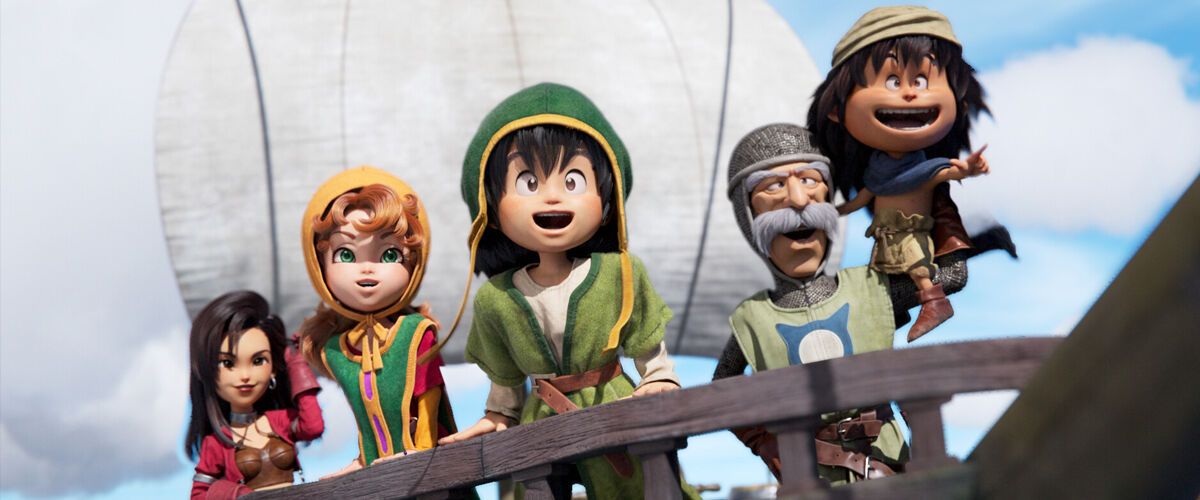
Such is the case for Dragon Quest, often considered as one of the most iconic JRPG (Japanese Role-Playing Game) franchises in history. Comprising 11 mainline titles since its debut way back in 1986 and with a majority of them released between 1986 to the early 2000s, it’s no wonder that many of them deserve, and have received a new lease of life for the modern gaming generation.
With perhaps the original trio of titles, also known as the Erdrick Trilogy, already reintroduced for the modern era in the form of this year’s Dragon Quest I & II HD-2D Remake and 2024’s Dragon Quest III HD-2D Remake, where does that leave the remainder of the series in the remaking efforts?
As indicated earlier, rather than simply releasing remakes in chronological order, developers Square Enix and Hexadrive are instead skipping and jumping forward a few titles, and next up on the remake list is 2000’s Dragon Quest VII, and for good reason too. The original release made history as the best-selling PlayStation game in Japan then and this time, the team isn’t content with a mere HD-2D fidelity boost. Instead, the team is rebuilding its visuals from the ground up, while also offering notable tweaks to its gameplay and narrative with the aptly named Dragon Quest VII Reimagined.
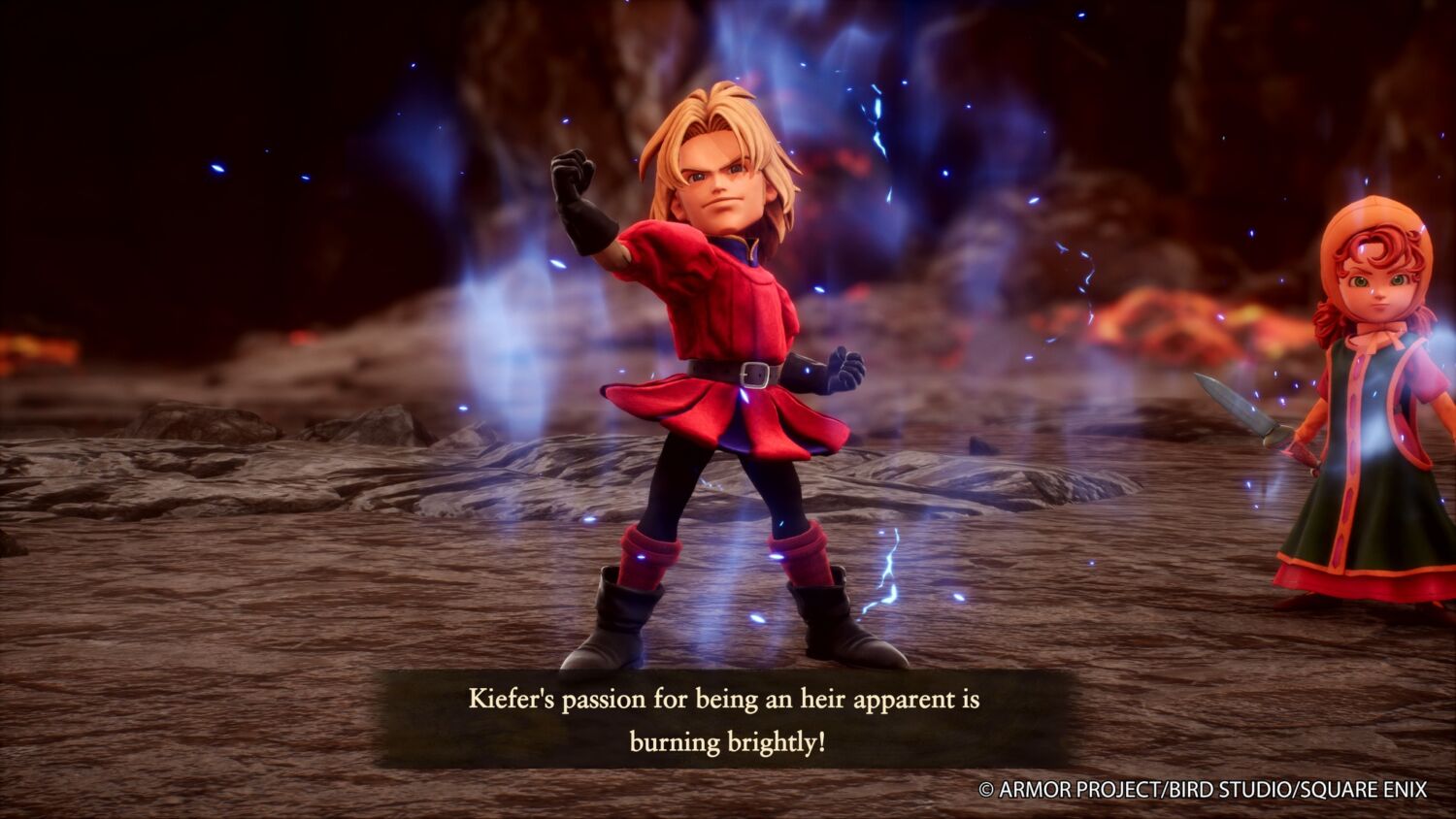
Despite looking like a completely new title on the surface, the team has taken the steps to ensure it remains faithful to what fans of the 2000 original will remember, and Geek Culture had the opportunity to chat with game producer Takeshi Ichikawa, alongside other Southeast Asia media, to get a better understanding of what this entailed.
Perhaps the most pertinent question is about the game’s unique naming convention, and why it is choosing to label itself as a “reimagining”, rather than a straight remake.
“While this work is based on the original version, all elements have been completely revised so that it can be enjoyed in today’s world,” explains Ichikawa, adding that the team consulted with Yuji Horii, the creator of the Dragon Quest franchise, to get his blessing to use the “reimagined” subtitle, to further drive home the idea that this isn’t just a simple remake, but rather a complete reassessment and revamp of the game at a fundamental level.
So how did the team go about fulfilling this lofty goal? According to Ichikawa, the team focused on rebuilding the game’s three major pillars – its visual style, combat and narrative.
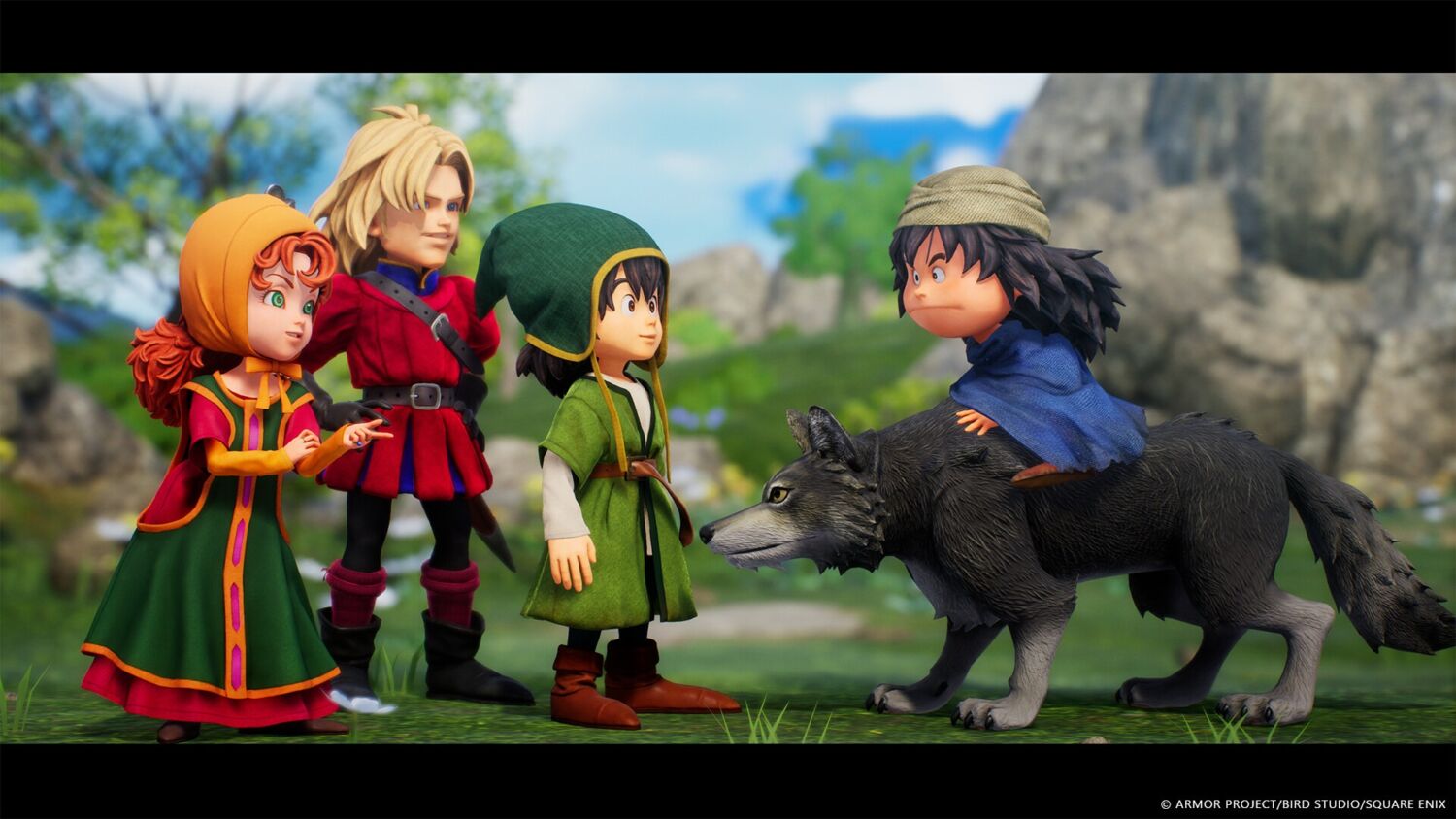
Even in its original state, Dragon Quest VII already presented a unique visual flair, especially when it came to its characters. Designed by the legendary manga artist Akira Toriyama of Dragon Ball fame, characters in the game differed from other mainline titles in the franchise as they were drawn shorter and more adorably, leading to a “doll-like” look. It was this well-established visual identity that birthed the idea for the remake’s hand-crafted look.
“For the main characters, we actually created dolls and scanned them to create game models,” explains Ichikawa. “We then created the other NPCs, monsters, and backgrounds directly using CGI to match the visual expressions and overall art direction of the scanned models.”
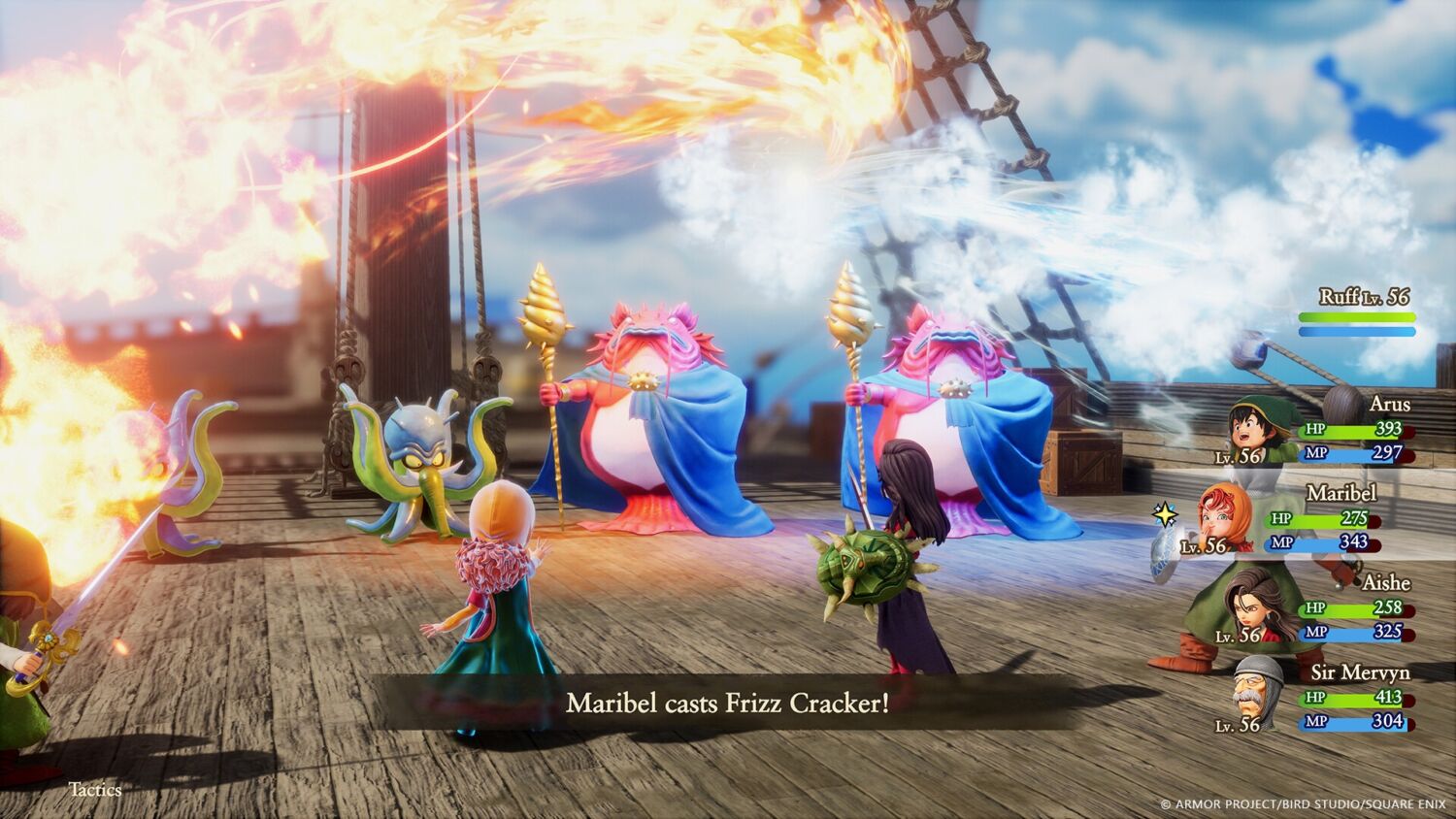
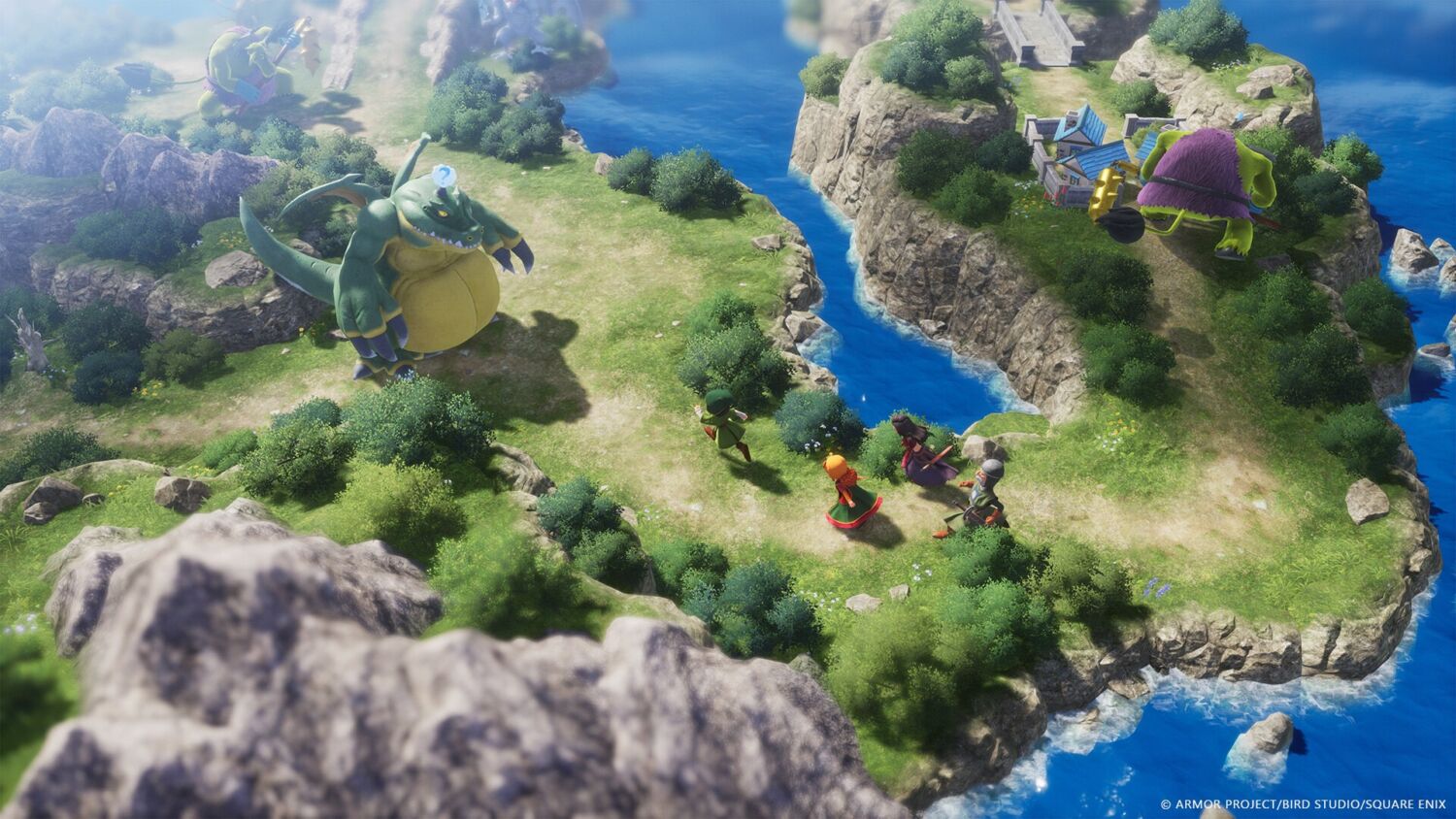
Dragon Quest VII Reimagined’s hand-crafted style extends far beyond just its characters, as the game’s many sprawling world environments, which were previously presented as simple 2D overlays, have now been completely redone in a unique diorama style to match the doll-like nature of characters and monsters, something that, as described by Ichikawa, effectively fit with the original’s top-down camera angle.
On the gameplay front, the remake’s additions may not be as in-your-face, but are equally important nonetheless. In this aspect, the team decided not to focus on adding grand new additions to switch up the core experience, but instead to tweak it in small but notable ways to improve the gameplay flow.
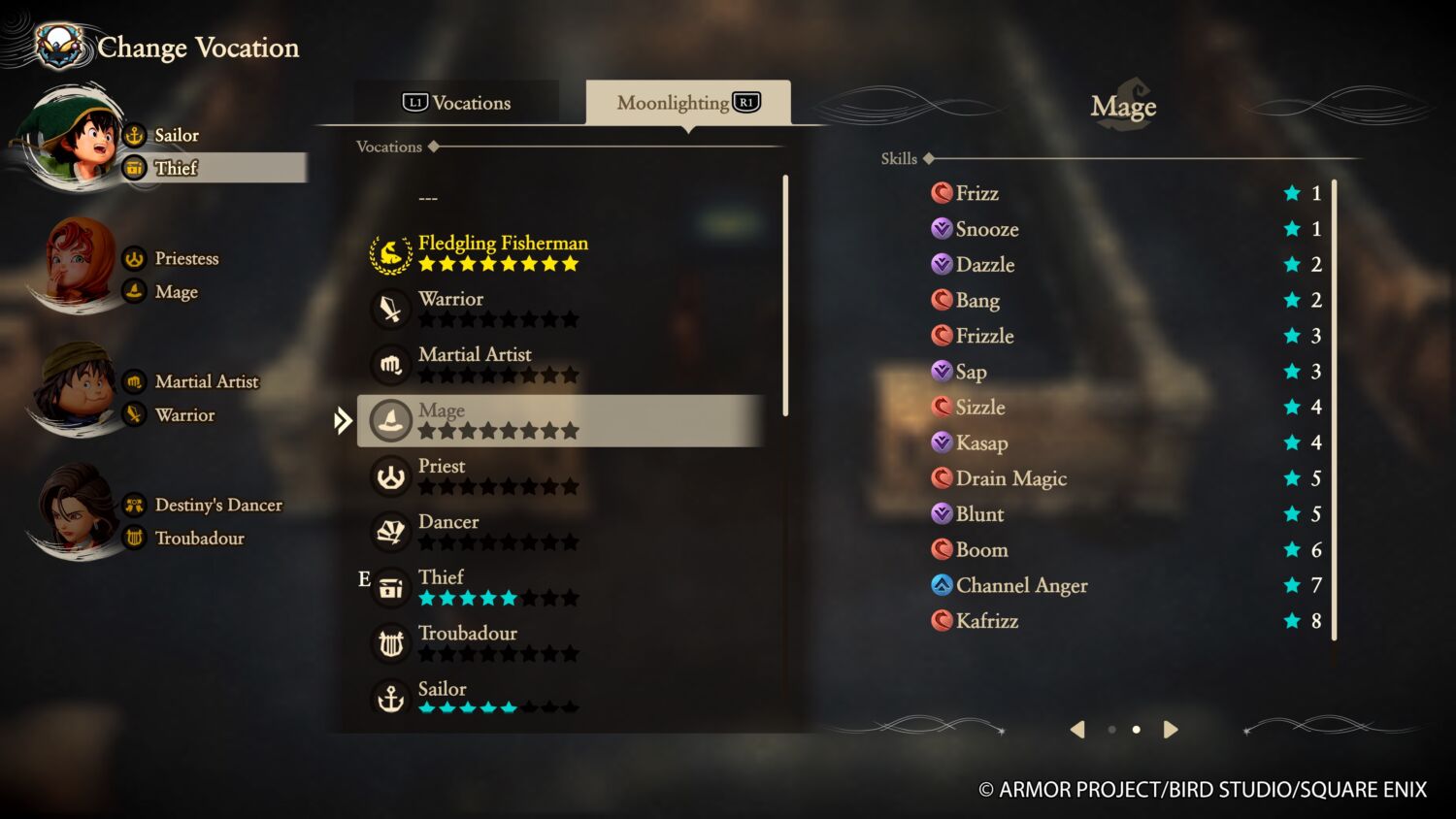
The best example of this is Dragon Quest VII Reimagined’s new “Moonlighting” system, which now allows characters to hold two vocations, also known as classes or jobs, at once, allowing them to swap between the two on the fly, as compared to the original, where players needed to enter an area known as Alltrades Abbey and complete a quest line to unlock an NPC who manages vocation changes.
“The previous job system posed a dilemma when changing jobs from a maximum proficiency state, as the character would temporarily become weaker,” explains Ichikawa, “By adding the ability to hold multiple jobs this time, we’ve made it easier to not only change jobs, but provides a deeper job system overall that’s a little different from the original version,” adding that the team has been careful in adjusting the title’s overarching balance to match this new dual job system.
Apart from Moonlighting, Dragon Quest VII Reimagined’s other gameplay additions similarly tackle the themes of accessibility, and mostly serve to address one of the original’s most debated aspects, its massive duration, which saw players pouring over 100 hours in a single playthrough.
One way to streamline this was the inclusion of combat aids seen in some later JRPGs, such as the ability to adjust battle speeds, an auto-battle function, and even a way to skip battles completely just by attacking foes on the field once the level gap between the player and enemies hits a certain level.
“One of the visions that we had for combat was that we wanted the standard, normal battles to proceed quickly, but also to encourage players to take the time to deliberate and strategise their approach for more challenging encounters like boss battles,” adds Ichikawa.
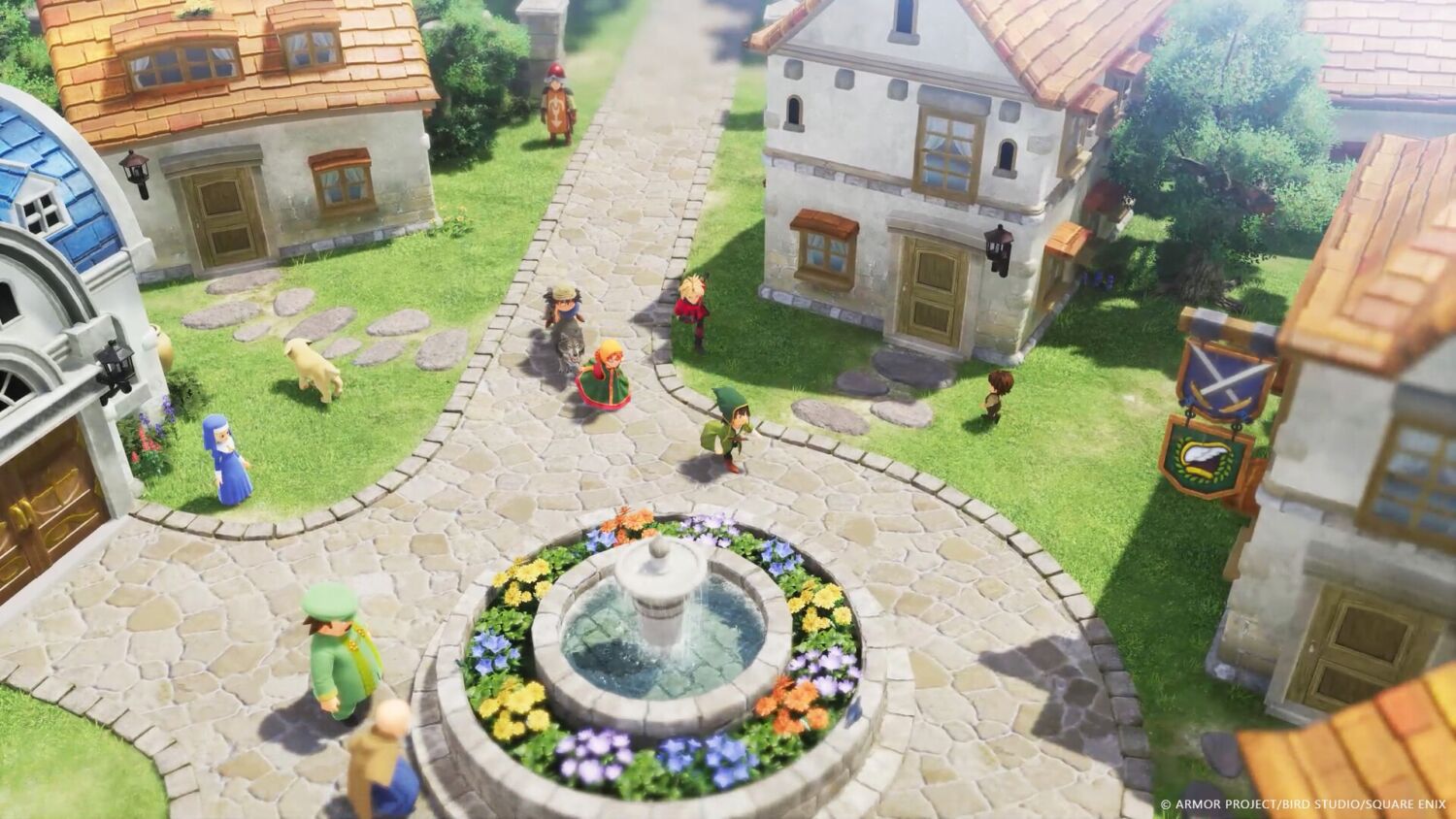
Furthermore, basic navigation while exploring the game’s world is set to be much more streamlined, something we experienced in our hands-on preview session held during Gamescom Asia X Thailand Game Show 2025 in Bangkok. Unlike the original title or other early entries, which mostly relied on organic exploration with minimal or no guidance from the game as to what to do next, Dragon Quest VII Reimagined now provides players with directional cues to make navigating its massive world more streamlined and, most importantly, more accessible to franchise or even genre newcomers.
While the team has taken the steps to ensure players won’t get lost as easily, they still understand that some might see it as a positive, and desire the game’s original trial-and-error way of doing things, and hence will include the option to disable directional cues, offering an experience closer to the original game.
Finally, in terms of the game’s narrative, what Ichikawa refers to as its “scenario”, Dragon Quest VII Reimagined will maintain the original’s surprisingly dark storyline, albeit in a different structure. As explained by Ichikawa, the original game was structured as a series of short stories, so in the remake, they are switching things up “by rearranging the order of each scenario, making some optional or even cutting some scenarios that had little relevance to the main plot”, adjusting the pace to provide a “more intense scenario experience” and helping to ease the “bloated” nature of the original title.
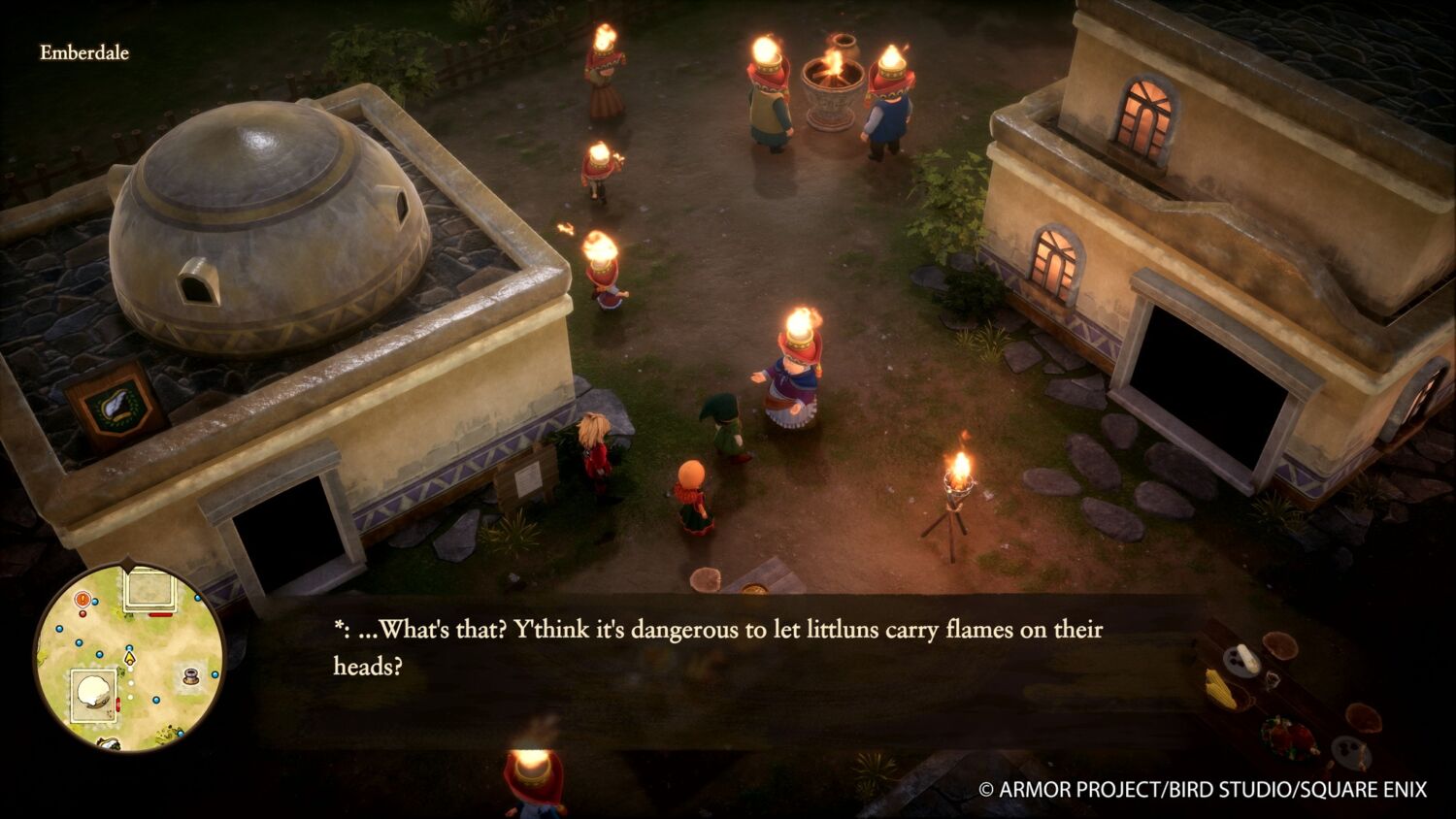
With the changes and enhancements seen in these three pillars of Dragon Quest VII Reimagined, the revamped classic is set to enjoy the best of both worlds, capturing that same feeling of the original while offering tweaks that not only make it feel fresh but also lower the hurdles to entry and allow for more gamers to experience a legendary piece of JRPG history.
Dragon Quest VII Reimagined is set to release on 5 February 2026 for all major platforms.

Kevin is a reformed PC Master Race gamer with a penchant for franchise “duds” like Darksiders III and Dead Space 3. He has made it his life-long mission to play every single major game release – lest his wallet dies trying.
 Si Jia