In the case of long-standing franchises like Dragon Quest, it’s inevitable for some instalments to receive more love and attention than others. Reverence for the Erdrick Trilogy, which concluded its modern retelling with the October 2025 release of Dragon Quest I & II HD-2D Remake (Dragon Quest III HD-2D Remake was released last November), remains undisputed, since the first three games established the identity of the JRPG genre, creating a sense of legacy through a strong overarching story that connected all three titles thematically.
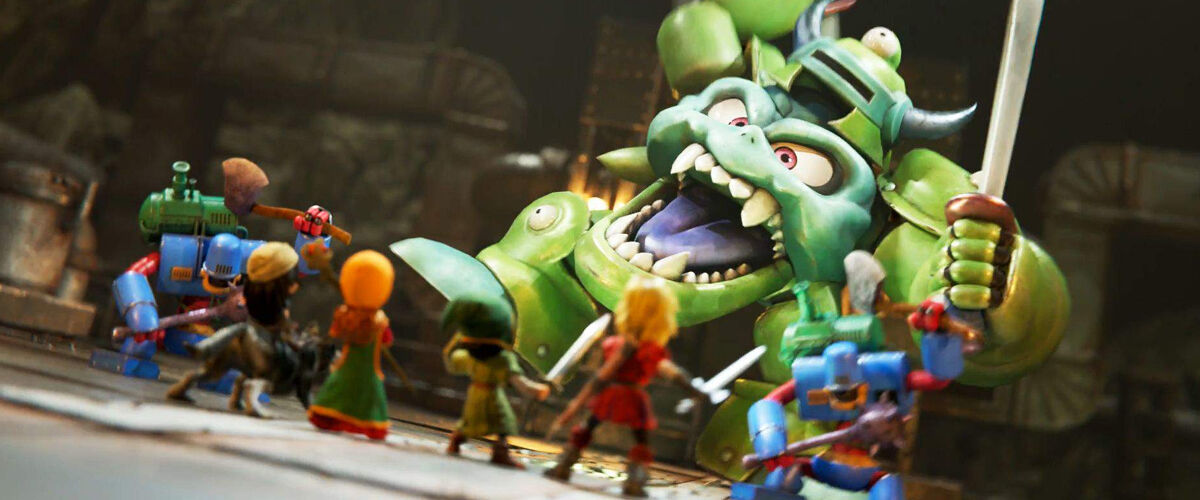
Momentum for the series continued through to Dragon Quest VII, marking a major milestone for the franchise. Not only was it the first mainline entry to launch outside Japan since 1992’s Dragon Quest IV, it also made history as the best-selling PlayStation game in Japan while also introducing tweaks to the series’ formula, where the party travels to separate continents instead of exploring one large world. The huge size, spanning over 100 hours in a single playthrough, would later become both a strength and a point of contention among fans, ultimately spawning a more streamlined experience in the form of a 2013 remake for the Nintendo 3DS (2016 for the English version).
Dragon Quest VII Reimagined is Square Enix’s latest shot at breathing new life into the beloved series, and as the title suggests, it looks to introduce fresh elements that align more with modern expectations. Coming from a 90-minute preview held during gamescom asia X Thailand Game Show 2025 in Bangkok, it’s obvious that developer Square Enix wants to make the series more accessible, as the updated, intuitive gameplay presents a convincing case for series veterans to relive the journey, and especially for newcomers to get started without the creakiness of the original.
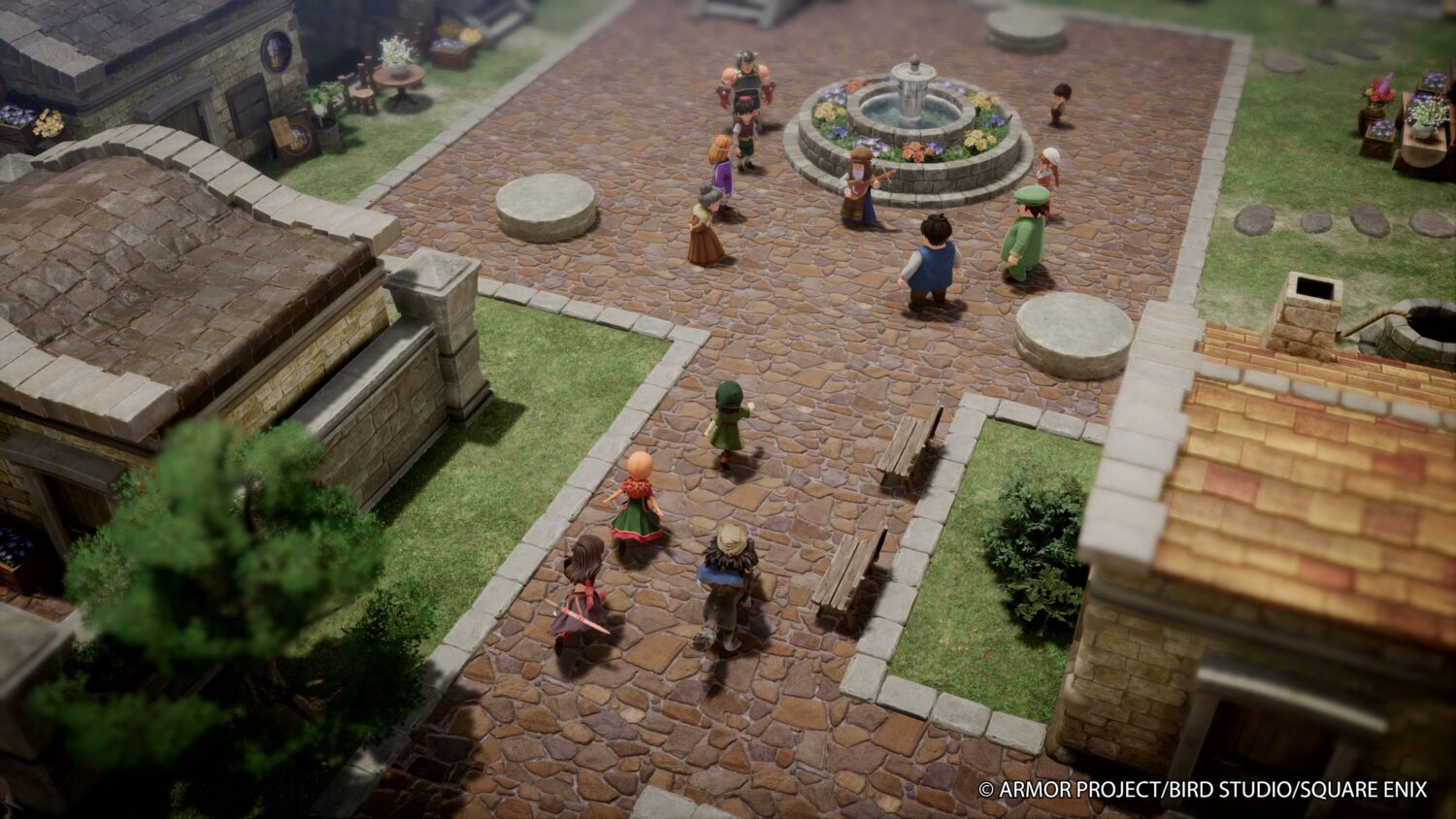
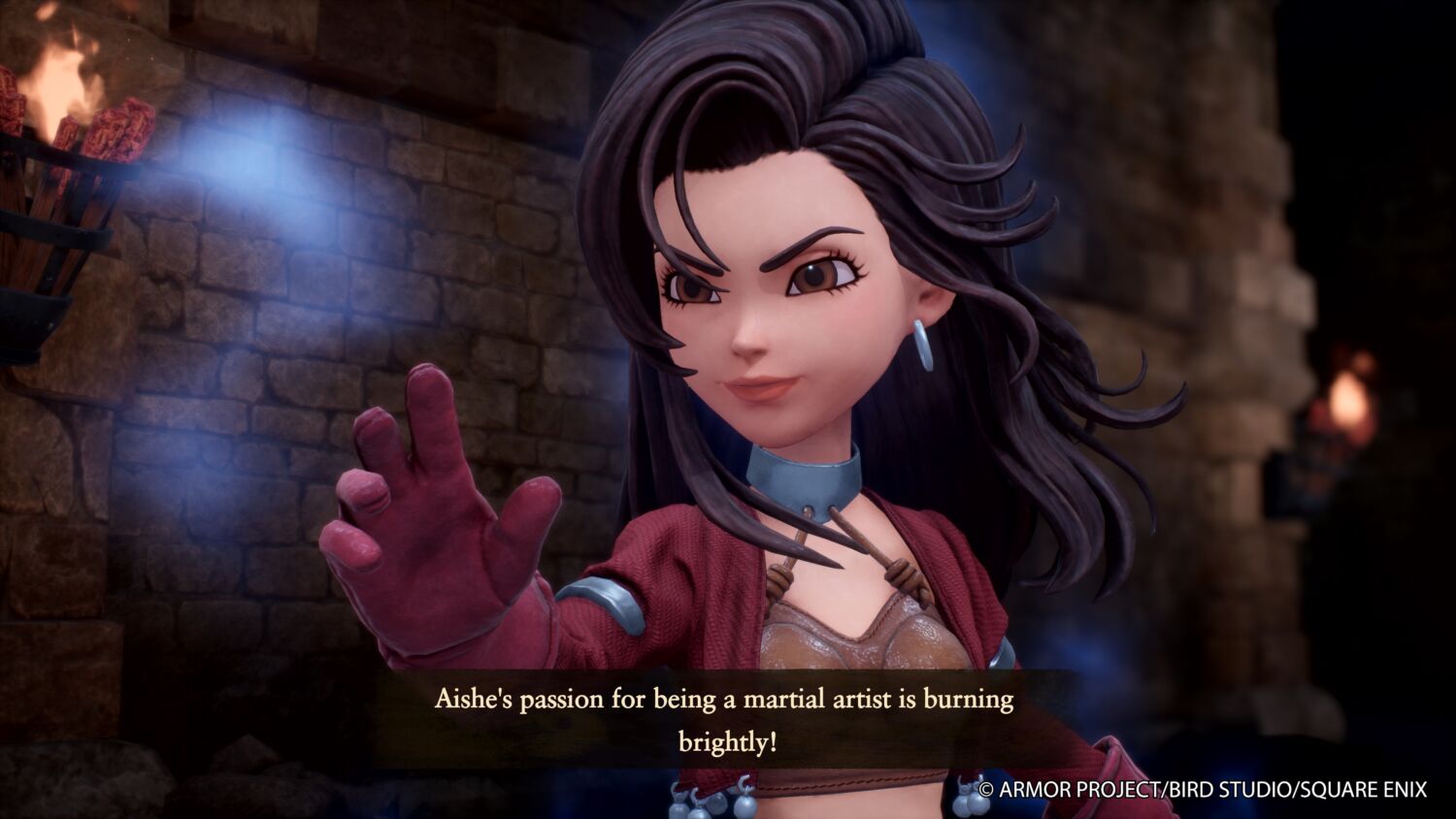
Establishing a distinctive visual flair right off the bat, the hands-on demo covered two segments of the existing story: Emberdale and Wetlock. The signature HD-2D aesthetic featured in the Erdrick Trilogy remake has been replaced with a handcrafted 3D look, bringing a doll-like quality to the characters and diorama elements to the field. Rather than an immediate charmer, it slowly eases players into a muted colour palette that may appear incongruous with the series’ bright, lively design, but it makes sense from a particular standpoint – the game is known for its dark narrative overtones, which would be a neat thematic fit.
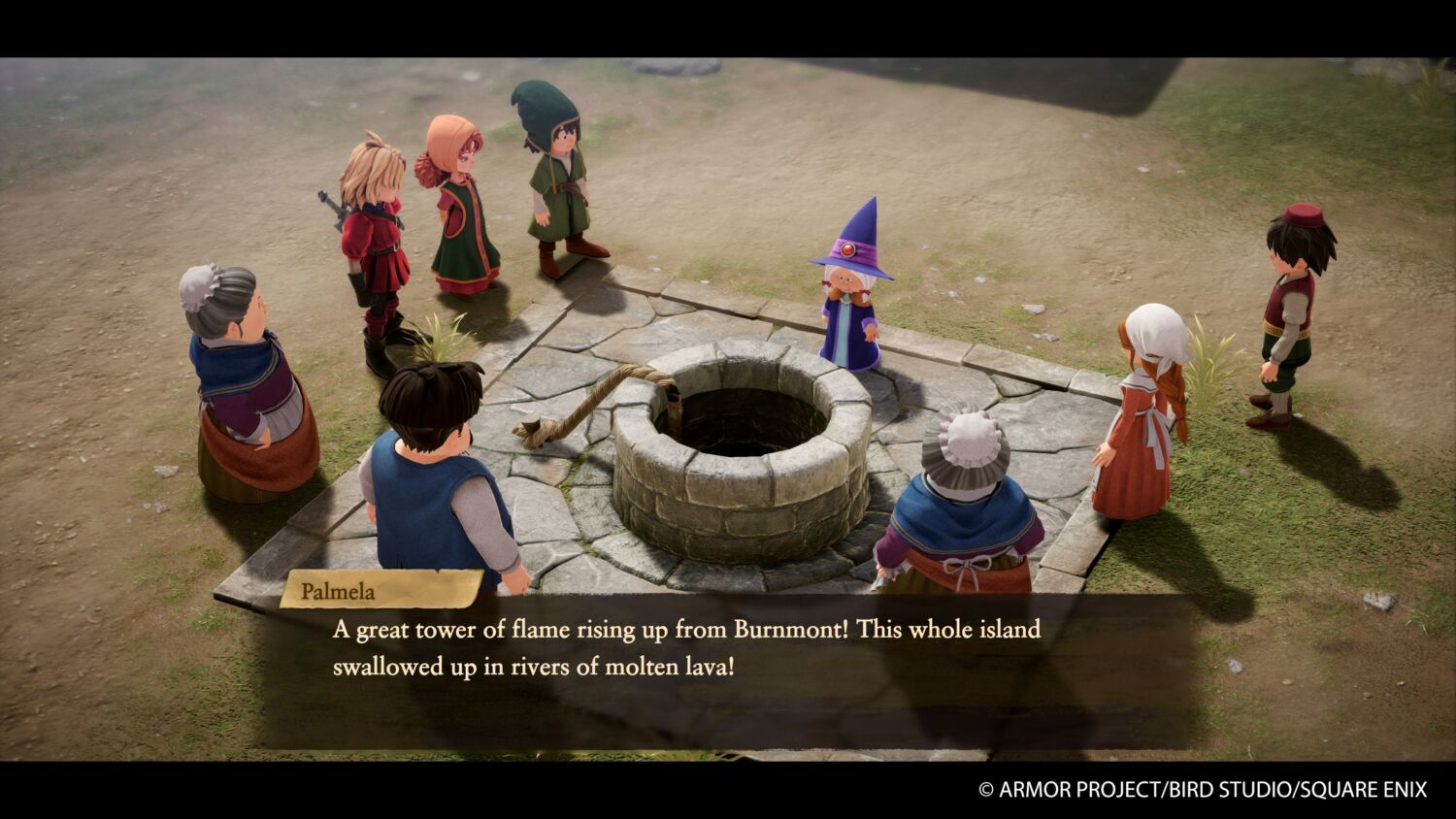
Moving into the Emberdale scenario, the plot remains unchanged from before. The player is quickly (re)introduced to the Hero and his allies, Maribel and Keifer, who arrive in the titular village as it prepares for a deity-honouring festival known as the Return of Fire Ritual, which involves a pilgrimage up the volcano, Burnmont, to return the flame to its core. It’s here that the resident clairvoyant Palmela reveals a premonition, with her response serving as a taste of the brand of humour to expect from the remake, if players choose to doubt her claims: “Shut up! I wasn’t asking you!” (sorry, geez).
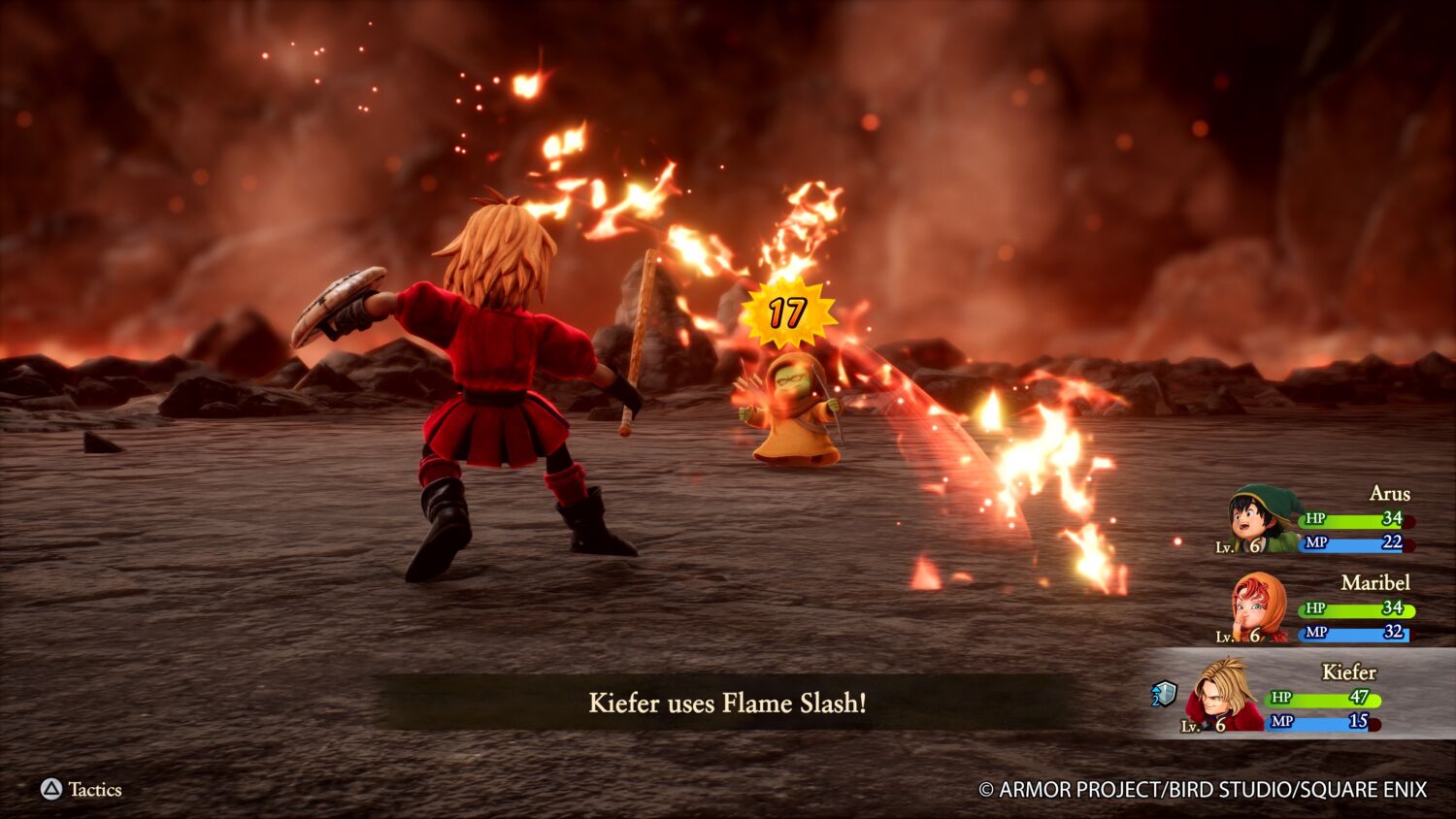
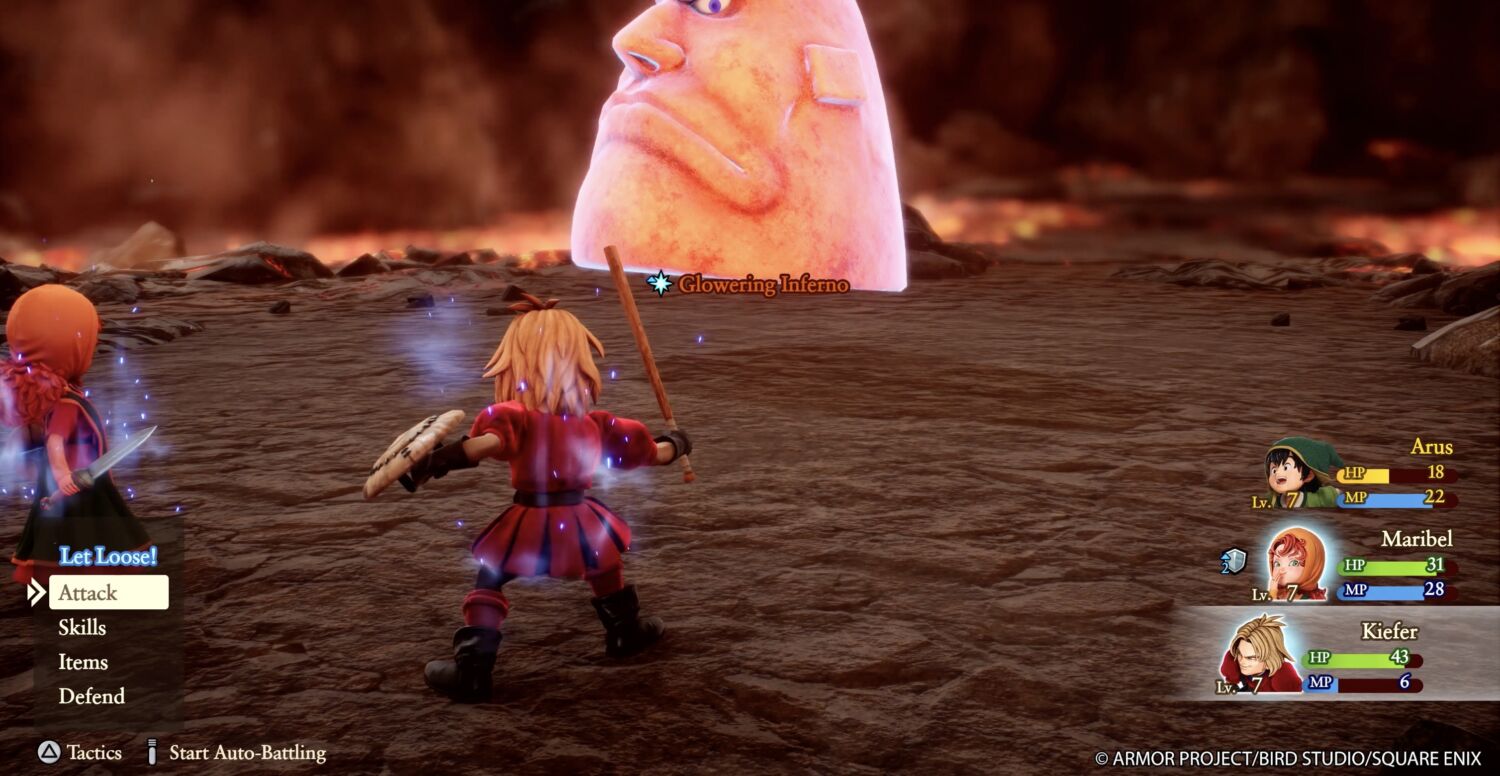
Naturally, exploring Burnmont leaves the trio open to combat encounters that sport revamped mechanics. Following Dragon Quest tradition, battles unfold in a turn-based sequence, where commands, comprising Attack, Skills, Items, and Defend, are assigned to and executed by party members. Each of them is tied to a specific vocation, the franchise’s version of the job system, with the Hero, Maribel, and Keifer classified as Fledging Fisherman, Mini Mayoress, and Heir Apparent, respectively, and carrying their own set of strengths and weaknesses.
It’s familiar territory for fans, except this time, every vocation boasts a signature ability ranging from receiving a huge attack boost to defensive capabilities like greatly reducing the damage taken. In Dragon Quest VII Reimagined, these power-ups can be activated when the character becomes worked up and enters Let Loose mode – triggering the Hero’s Ocean’s Devotion, for instance, will neutralise the next strike for all allies. The all-new addition injects a bit more depth into gameplay, as players have to decide when to save or use them, especially in the showdown against the Glowering Inferno in Burnmont.
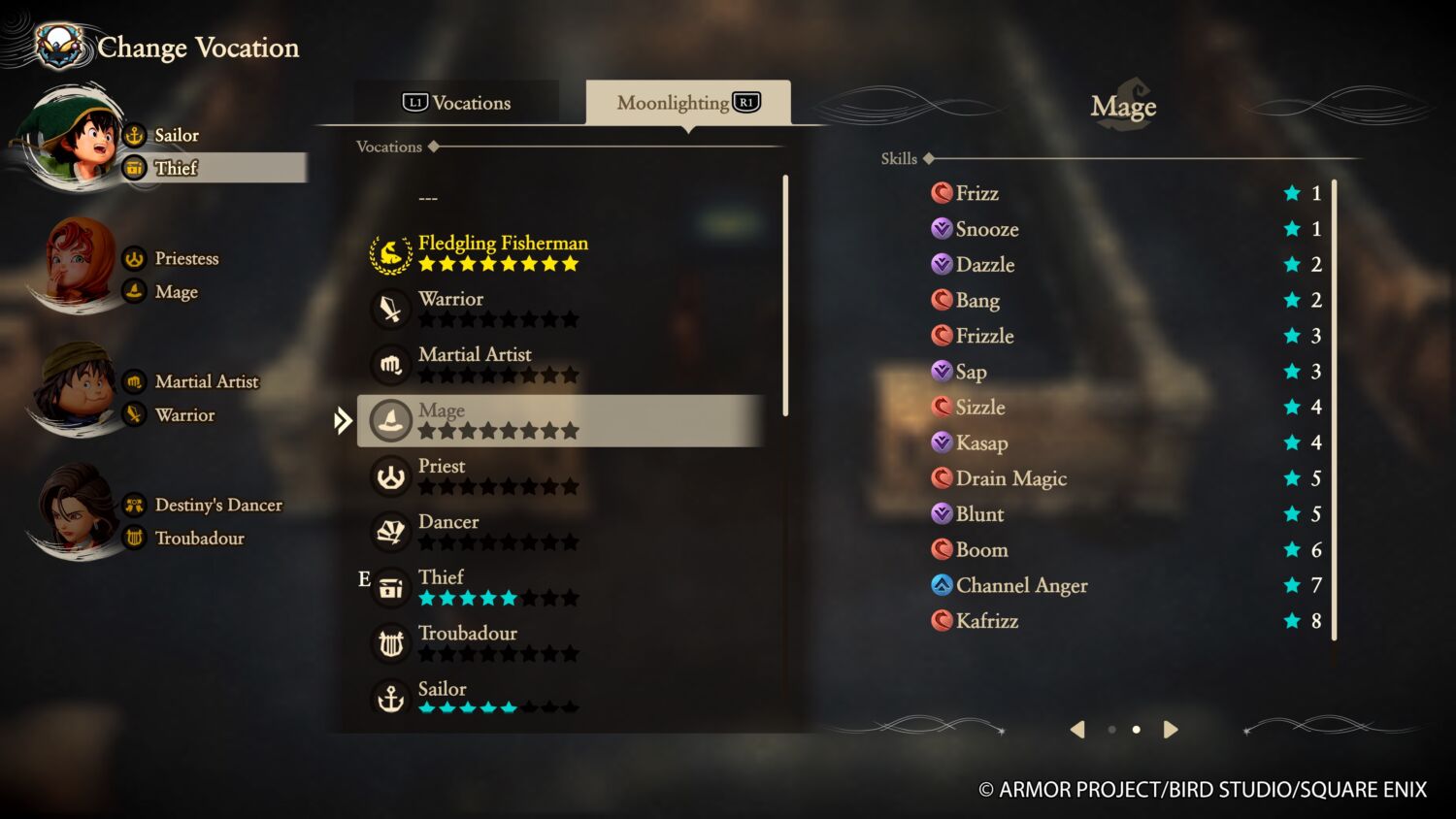
A bigger change is the cheekily named Moonlighting feature, the central focus of the Wetlock section in the preview. Unlike before, where characters were only limited to one vocation at a time, multiple assignments are now supported, turning them into hybrid builds: Sailor / Thief for the Hero, Pristress / Mage for Maribel, Martial Artist / Warrior for Ruff, who steps into Keifer’s role here, and Destiny’s Dancer / Troubadour for Aira (localised as Aishe in the Western release), who was originally absent from this scenario.
As old-timers would know, the sword fighter only joined the group after the completion of the first three major island arcs, and her early recruitment in Dragon Quest VII Reimagined brings a fresh sense of vigour and synergy. Alongside a versatile physical loadout, her Troubadour vocation unlocks Encore, a move that temporarily reduces all allies’ MP costs to zero and is a godsend for the magically inclined Maribel, while Ruff’s Art of Chivalry provides cover for the member with the lowest HP and delivers a counterattack.
Moonlighting, alongside other quality-of-life improvements, such as auto-battle and fast forward, tightens the pace of combat and makes it feel more dynamic, which sits better with modern audiences. As with Emberdale, the major beats for Wetlock are all retained, following the party’s search for the source of the flood that inundated the entire island, and their descent into an underground temple where another major fight lies in wait.
Navigation is also more accommodating, especially when compared to Dragon Quest I & II HD-2D Remake. Where the latter is rooted in organic exploration (otherwise known as the lack of signage), Dragon Quest VII Reimagined guides players with directional cues, as demonstrated in Burnmont, and still keeps the hand-holding in check, requiring them to figure out the next course of action by themselves during some gameplay portions. That’s not to say that the trial-and-error process is bad – in fact, it should be encouraged – but there’s merit to trimming the fat for such a long journey (Did we mention that the completion of side quests doesn’t count towards the over 100 hours of play time?).
While pacing adjustments remain to be seen, and that will be the make-or-break factor for the game’s return as one of its biggest flaws back in the day, the remaster appears to have a firm grasp over honouring legacy and, well, reimagining. It feels much of the same, and some parts are different, including a previously announced new ending, held together by a modernised sheen that gelled well enough in the preview. For newcomers, Dragon Quest VII Reimagined is shaping up to be its most enjoyable and intuitive yet.
Dragon VII Reimagined is scheduled to release on 5 February 2026 for all major platforms.

Si Jia is a casual geek at heart – or as casual as someone with Sephiroth’s theme on her Spotify playlist can get. A fan of movies, games, and Japanese culture, Si Jia’s greatest weakness is the Steam Summer Sale. Or any Steam sale, really.
 Kevin Low